
Where Your Gorilla Permit Fee Goes
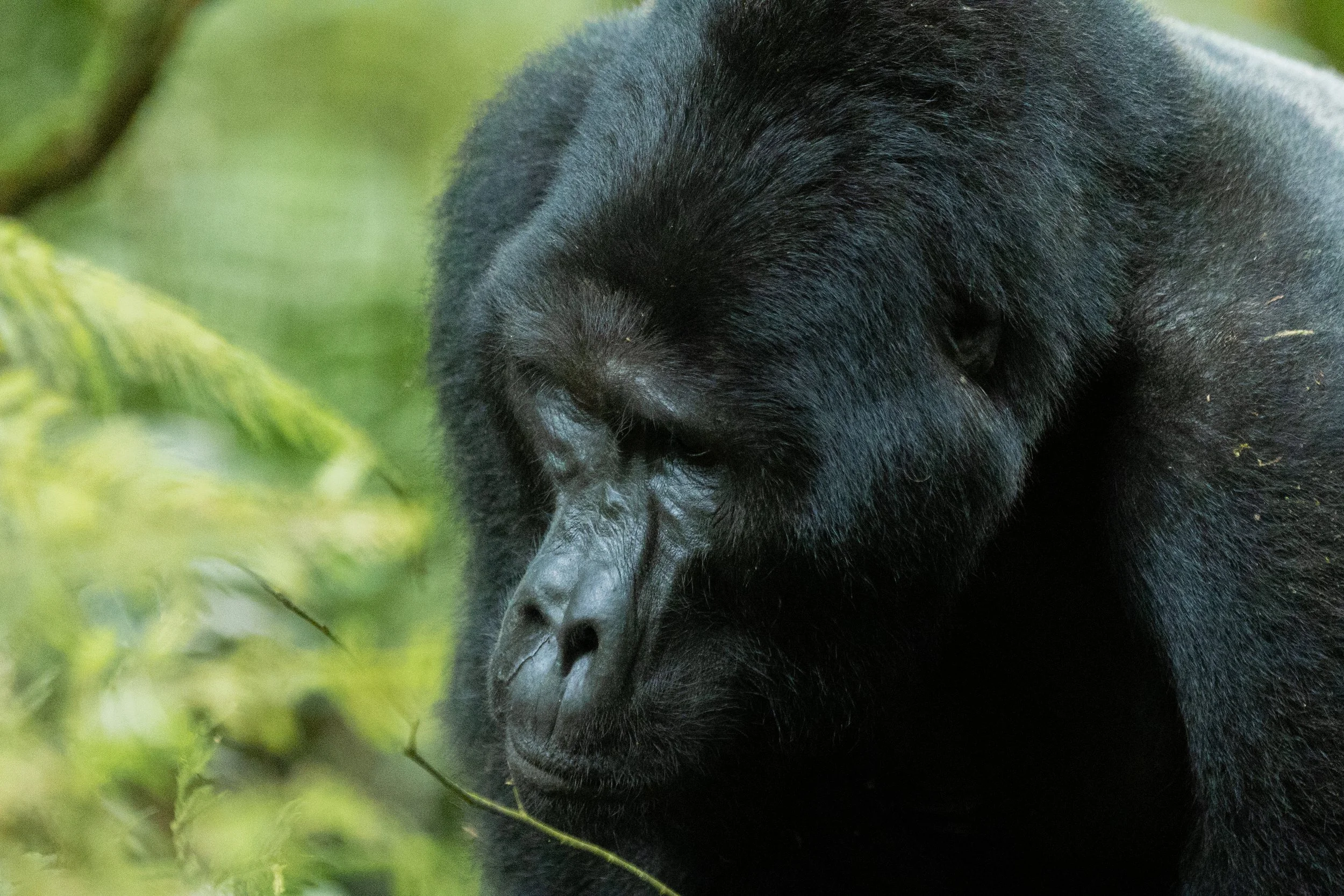
A mountain gorilla in Bwindi Impenetrable National Park, protected by permit-funded conservation efforts
You've researched gorilla trekking, compared lodges, and started planning your East African safari. Then you see the permit price – $800 in Uganda, $1,500 in Rwanda – and pause. Is it really worth that much? Where does that money actually go?
Here's the reality: your gorilla permit fee isn't just an entry ticket. It is a direct investment in the survival of one of the world's most endangered primates. A significant portion of what you pay funds anti-poaching patrols, gorilla healthcare, community schools, and the daily protection of habitats like Bwindi Impenetrable National Park.
This article provides a transparent, line-by-line breakdown of where your gorilla permit money goes. No marketing fluff. Just facts.
Where Your $800 Uganda Gorilla Permit Fee Actually Goes
Your gorilla permit fee is a conservation contribution structured to fund specific programs. Here's the breakdown.
Anti-Poaching Patrols and Ranger Deployment

Photo credit to Shannon
A significant portion of permit revenue funds ranger salaries, patrol equipment, and anti-poaching operations. Rangers conduct daily patrols to remove snares, monitor gorilla groups, and deter illegal activities.
What your fee supports:
Deploying rangers and scouts across Bwindi and Mgahinga
Removing snares and traps set for bushmeat
Armed protection for gorilla families
Training and equipment for patrol units
Veterinary Care and Research Programs
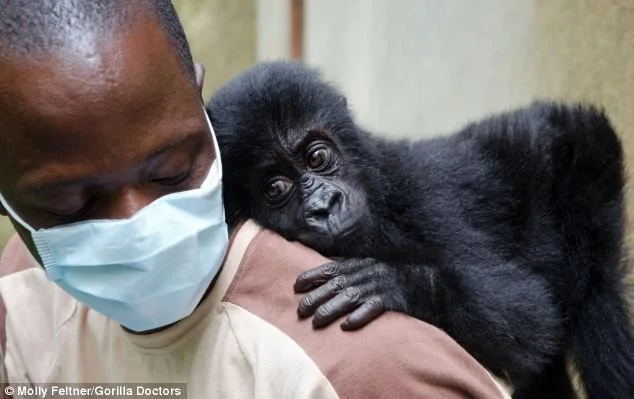
Mountain gorillas share approximately 98.4% of human DNA, making them vulnerable to human diseases. Permit revenue funds veterinary teams who respond to gorilla health emergencies and conduct routine health monitoring.
What your fee supports:
Gorilla doctors and veterinary interventions
Regular health checks and disease monitoring
Census monitoring to track population numbers
Research on gorilla behavior and habitat needs
Community Development and Revenue Sharing
In Uganda, 20% of national park gate revenue is shared with local communities bordering Bwindi and Mgahinga. These funds support schools, clinics, clean water systems, and infrastructure projects.
What your fee supports:
Building classrooms and providing educational materials
Constructing health centers and clean water systems
Agricultural projects that reduce reliance on forest resources
Reducing human-wildlife conflict through community engagement
Park Management and Habitat Protection
The remainder of permit revenue funds the daily operational costs of protected areas, including trail maintenance, visitor centers, and staff housing.
What your fee supports:
Maintaining trekking trails and park infrastructure
Operating visitor centers and park headquarters
Habitat restoration and forest corridor protection
Staff housing and administrative costs
How Rwanda's $1,500 Permit Fee Is Allocated
Rwanda allocates permit revenue differently. While 10% of permit revenue goes directly to community revenue sharing, the remaining funds support national conservation and park management.
Community Revenue-Sharing Program (10%)
Rwanda's formal revenue-sharing policy channels 10% of all national park tourism income to communities living near protected areas. This funds schools, health centers, and local infrastructure projects.
National Conservation and Park Management
The remaining revenue funds:
Volcanoes National Park management and operations
Ranger salaries and patrol operations
Gorilla veterinary programs and research
Anti-poaching infrastructure
Infrastructure Development
Rwanda's tourism revenue supports broader national infrastructure, including roads, airports, and hospitality services that benefit local economies.
Key distinction: Uganda allocates a higher percentage (20% of gate revenue) to communities, while Rwanda's higher permit price allows for more infrastructure investment overall.
Understanding Gorilla Permit Fees in Uganda and Rwanda
Uganda Gorilla Permit Cost Breakdown (2026)
As of 2026, the Uganda Wildlife Authority (UWA) sets gorilla trekking permit prices as follows:
| Visitor Category | Standard Permit Cost | Low Season Discount (April, May & November) |
|---|---|---|
| Foreign Non-Resident | USD 800 | USD 600 |
| Foreign Resident | USD 700 | USD 500 |
| Rest of Africa | USD 500 | Not specified |
| East African Citizens | UGX 300,000 | Not specified |
The standard permit includes park entry fees, a guided trek with UWA rangers, and one hour with a habituated gorilla family.
Low Season Discount (2026 Update)
In February 2026, UWA introduced formal discounted permits for low-season months (April, May, and November), reducing foreign non-resident permits from $800 to $600. This represents a significant saving for travelers flexible with dates.
Rwanda Gorilla Permit Cost Breakdown
Rwanda's gorilla trekking permits are priced at $1,500 per person for all foreign visitors. This higher price reflects Rwanda's premium-positioned tourism strategy, which focuses on high-value, low-volume tourism. The permits fund conservation and community development through Rwanda's revenue-sharing program.
Uganda vs. Rwanda – Permit Costs at a Glance
| Factor | Uganda | Rwanda |
|---|---|---|
| Standard Permit Cost | USD 800 | USD 1,500 |
| Low Season Discount | Yes (USD 600) | No |
| Habituation Experience | Yes (USD 1,800) | No |
The Gorilla Habituation Experience – A Deeper Immersion
Uganda offers a unique permit option unavailable in Rwanda: the Gorilla Habituation Experience (GHEX). This permit allows up to four hours with a semi-habituated gorilla family as researchers and rangers gently acclimate them to human presence. The experience is limited to just four visitors per group per day, with only eight permits issued daily across Bwindi's Rushaga sector.
GHEX Permit Costs (current rate until June 2026):
| Visitor Category | GHEX Permit Cost |
|---|---|
| Foreign Non-Resident | USD 1,800 |
| Foreign Resident | USD 1,600 |
Key point: The $1,800 GHEX permit gives you four hours with gorillas, while a $1,500 Rwanda permit gives you one hour. For travelers who want a deeper, more immersive experience, Uganda's habituation experience offers exceptional value.
💡 Expert Tip: The GHEX rate is expected to increase after July 2026. Travelers interested in this experience should book before the tariff review.
Uganda vs Rwanda: Which Is Right for You?
Choose Uganda if you:
Want more affordable permits ($800 vs. $1,600)
Are interested in the Gorilla Habituation Experience (four hours with gorillas)
Prefer a more rugged, forest-immersion experience.
Want to combine gorilla trekking with chimpanzee tracking in Kibale.
Are planning a longer safari that includes savannah parks
Choose Rwanda if you:
Have limited time and want easier road access from Kigali
Prefer shorter average trek times due to more accessible terrain.
Are comfortable with premium-priced permits and lodges
Want to combine gorilla trekking with Big Five safaris.
Both countries offer exceptional, well-managed gorilla trekking experiences. The choice depends on budget, itinerary, and travel priorities.
The Conservation Impact of Gorilla Tourism
Population Recovery Success Story
The mountain gorilla population has grown from fewer than 300 individuals in the 1980s to over 1,000 today. This recovery is directly linked to tourism revenue, which funds protection, veterinary care, and research.
Key achievements:
Uganda now protects nearly half of the world's remaining mountain gorillas.
Bwindi Impenetrable National Park is a UNESCO World Heritage Site.
Rwanda's gorilla population has seen consistent growth through strict protection measures.
Reducing Human-Wildlife Conflict
Community revenue-sharing programs have reduced reliance on poaching and forest resources. When communities benefit directly from conservation, they have incentives to protect gorillas rather than exploit them.
Conservation funding in action:
20% of Uganda's park gate revenue supports local communities.
Rwanda's 10% permit revenue funds community projects.
Jobs as guides, porters, trackers, and park staff provide stable income.
How to Book Your Gorilla Permit
Booking Timeline and Availability
Each habituated gorilla family allows only 8 visitors per day. With over 20 families across Bwindi and Mgahinga, daily availability is limited.
Recommended booking timelines:
Peak season (June–September, December–February): Book 4–6 months in advance
Shoulder season: 3–4 months in advance
Low season (April, May, November): 2–3 months in advance
Important note: Permits are issued against passport details and are non-transferable.
Payment and Cancellation Policies
At Kwezi Adventures, a 60% deposit is required to secure your booking, with full payment for permits due at the time of booking. Permits are non-refundable once issued.
Cancellation penalties:
42+ days before arrival: Deposit retained, refund of excess funds
30–41 days: Deposit + 40% of land arrangements
15–29 days: Deposit + 65% of land arrangements
Less than 15 days or no-show: 100% forfeited
💡 Expert Tip: Always secure your gorilla permit before booking accommodation or flights. Permits sell out months in advance for peak season dates. A good tour operator will handle permit booking on your behalf, ensuring you secure the specific date and sector you require.
Conclusion
Your gorilla permit fee is more than a transaction; it is a direct contribution to one of conservation's greatest success stories. Whether you book a $800 permit in Uganda or a $1,500 permit in Rwanda, your money funds anti-poaching patrols, veterinary care, community development, and habitat protection.
Uganda offers more affordable permits and the unique gorilla habituation experience, making it an excellent choice for travelers seeking deeper immersion. Rwanda's higher fee supports premium infrastructure and easier accessibility.
The choice depends on your budget, timeline, and travel priorities. Both destinations deliver the same profound experience: an hour in the presence of mountain gorillas, in their natural habitat, knowing your visit directly supports their survival.
Frequently Asked Questions
What percentage of Uganda's gorilla permit fees go to conservation?
Up to 75-80% of total tourism revenue is retained by the Uganda Wildlife Authority to fund park operations and habitat protection. This includes ranger salaries, anti-poaching patrols, veterinary care, and community development programs.
What is the Gorilla Habituation Experience?
The Gorilla Habituation Experience (GHEX) allows up to four hours with a semi-habituated gorilla family, compared to the standard one-hour trek. It costs $1,500 and is available exclusively in Bwindi's Rushaga sector, limited to four visitors per group per day.
How much does a Uganda gorilla permit cost in 2026?
$800 for foreign non-residents, $700 for foreign residents, and UGX 300,000 for East African citizens. Low-season discounts (April, May, and November) reduce the cost to $600 for foreign non-residents.
Is gorilla trekking ethical?
Yes, when conducted through authorized operators with valid permits. Well-managed gorilla trekking funds anti-poaching, veterinary care, and community development. Strict visitor protocols limit group sizes and visit duration to minimize stress and disease risk to gorillas.
How far in advance should I book a gorilla permit?
For peak season (June–September, December–February), book 4–6 months in advance. Shoulder season requires 3–4 months. Low-season permits can be booked 2–3 months in advance.
People Also Ask
What does an $800 gorilla permit include in Uganda?
The permit includes park entry fees for the trekking day, a guided trek with UWA rangers, and one hour with a habituated gorilla family. It does not include accommodation, transport, meals, or porter fees.
Where does Rwanda's gorilla permit money go?
10% goes to a community revenue-sharing program funding schools and health centers. The remainder funds national conservation, park management, and infrastructure.
Does gorilla tourism help conservation?
Yes. Tourism revenue is one of the key drivers behind mountain gorilla population recovery, funding ranger protection, veterinary care, and habitat conservation.
What is the cheapest gorilla trekking destination?
Uganda offers the most affordable permits ($800, with low-season discounts to $600). Rwanda charges $1,500.
How many gorilla permits are issued per day?
Each habituated gorilla family allows a maximum of 8 visitors per day. Across Uganda's 20+ families, daily availability is limited but coordinated by UWA.
Can I do a double gorilla trek in Uganda?
Yes. Mountain gorilla double trekking involves purchasing two permits and trekking to two different families on separate days. The cost is $1,600 for two permits ($800 each).
When is the best time to go gorilla trekking?
Peak seasons are June–September and December–February. Low season (April, May, November) offers discounted permits but heavier rainfall and muddier trails.
How do I book a gorilla permit?
Permits are issued by the Uganda Wildlife Authority (UWA) or Rwanda Development Board (RDB). Book through an authorized tour operator who will secure permits on your behalf and manage logistics.
Ready to plan your gorilla trekking adventure? At Kwezi Adventures, we handle every detail – from securing your permit to arranging luxury accommodation and seamless transport. Securing gorilla permits for Bwindi Impenetrable Forest requires precise timing. Our team is on the ground and can often secure permits for high-demand dates months in advance.
Contact our expert team today to start planning your Uganda or Rwanda gorilla safari.
