

Execution Standards
This is how we operate.
Our Vision on Execution Standards
Kwezi Adventures and Execution Standards: At Kwezi Adventures, we believe it is our responsibility to ensure the sustainable development of tourism and make Uganda a better place for people to live in and a better place to visit. With this aim, we are working to minimize our environmental impact while celebrating and preserving Uganda's rich cultural heritage.
Kwezi Adventures and Environment: The fundamental core of our activity is people, wildlife, and the protection of Uganda's forests, lakes, and culture. Our tours primarily feature eco-rated and classified properties within East Africa, and we take pride in supporting local communities through excursions that provide them with direct income. Our knowledgeable tour guides actively participate in conservation efforts.
Kwezi Adventures & Leadership: We strive to maintain a low carbon footprint and have trained our guides in environmentally friendly safari practices, including a strict code of ethics around our precious wildlife. Our management is implementing eco practices in both our head office in Kampala and while on safari, including our partnership with Travelife.
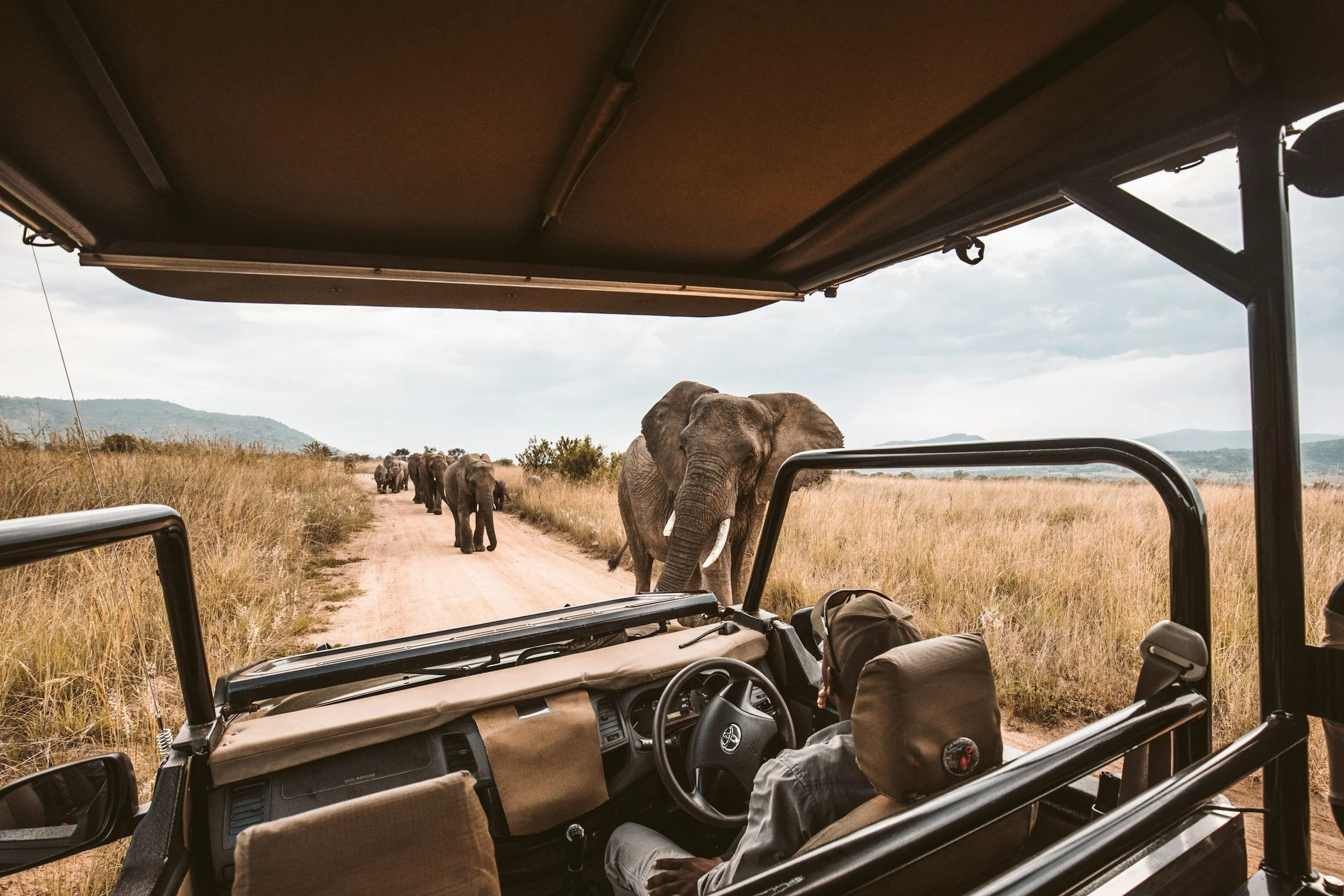
As a company, we strive to lower or offset our carbon footprint, treat our staff members in an equal and fair manner, and to support local communities through our tourism activities.
Every safari matters to us. We know our planet's resources are limited and that we need to protect the biodiversity and incredible wildlife we still have.
Our Four Pillars of Execution Standards
Carbon Offset
We actively work to lower our carbon footprint through reforestation and eco friendly practices.
Community Support
Supporting local communities through fair employment, education, and sustainable tourism income.
Wildlife Conservation
Protecting Uganda's incredible biodiversity including endangered mountain gorillas and elephants.
Plastic-Free Safari
Eliminating single-use plastics with reusable alternatives throughout our safari operations.
Single-Use Plastic Free Safaris
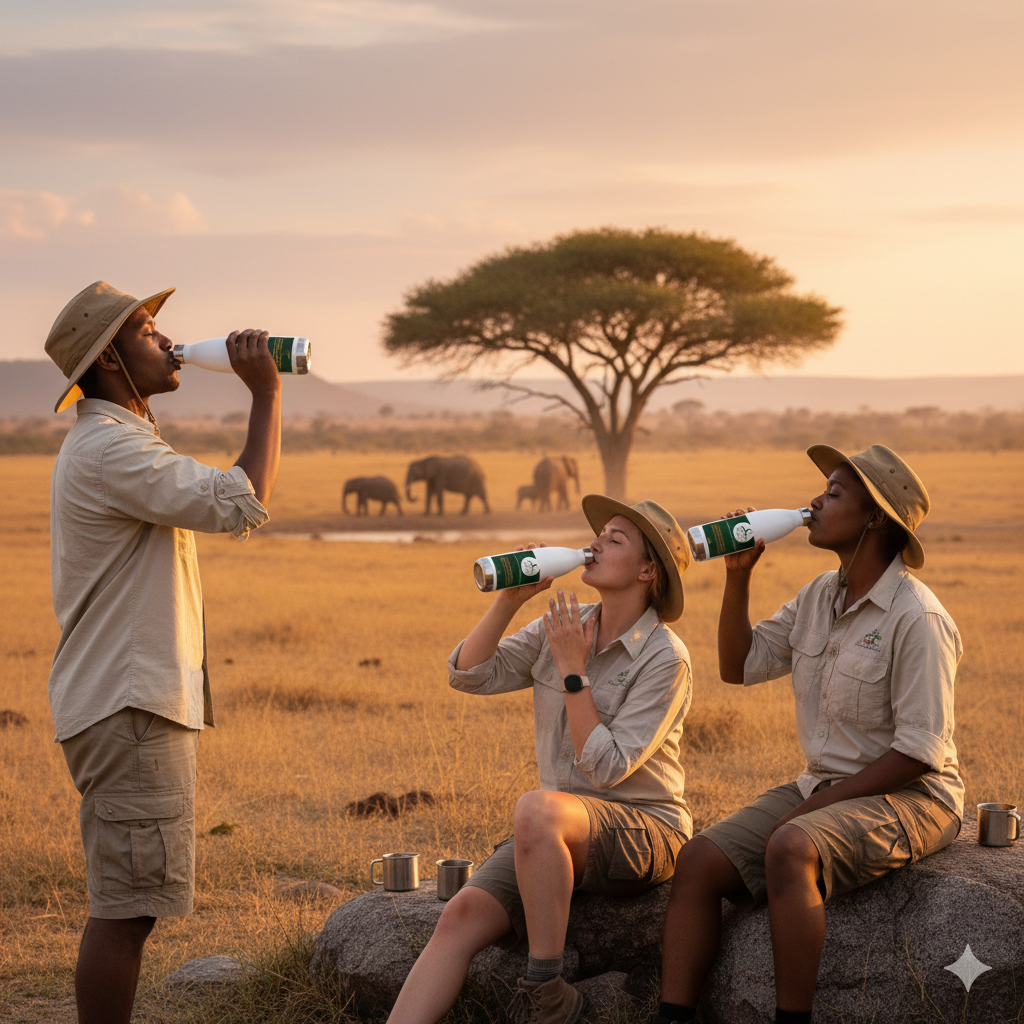
We have keenly eliminated single-use plastic in our operations as much as possible. We replaced all plastic bottles for clients and staff members with stainless steel or reusable glass bottles.
Guests receive our high-quality, double-insulated stainless steel bottles on arrival and are free to keep them as a souvenir. We carry reusable 20-liter containers of filtered drinking water (these are refilled by our certified water provider).
When staying at our partner camps and lodges, guests can fill their water bottles from strategically located dispensers. We encourage our partner lodges to assist us with water dispensers on their properties. We have advocated for this change through our tourism association memberships.
Picnic lunch boxes: All our picnic lunches are prepared from locally sourced ingredients. We no longer offer yogurts in plastic cups or packaged juice. Instead, we serve fresh fruit and juices in reusable containers with recycled napkins.
Waste in our vehicles: We use locally made, durable baskets in our vehicles. Our guides follow strict waste disposal protocols, returning all recyclables to our office.
Soda and beverages: We only use returnable glass bottles, which are returned to our suppliers after use.
No single-use plastic straw policy: When a guest requires a straw, we provide reusable stainless steel or bamboo straws that are easy to clean and 100% recyclable.
Execution Standards in Daily Operations
How we integrate sustainable practices into our daily Operations.
Eco-friendly accommodations: While recommending accommodation options, we prioritize Silver and Gold Eco-rated facilities certified by the Uganda Tourism Board's Green Tourism Initiative.
Professional memberships: We are members of Ecotourism Kenya, the East African Wildlife Society, the Uganda Tourism Association, and Sustainable Travel International.
Guide excellence: All our guides have achieved professional membership status with the Uganda Safari Guides Association, with most at advanced guiding levels.
Continuous training: Our teams access regular and diverse training modules internally and externally to achieve the highest professionalism and environmental awareness.
Safari etiquette: Our guides abide by responsible wildlife viewing guidelines and are "Safari Etiquette Champions."
Mindful resource use: We minimize printing and set all printers to double-sided default. We display conservation messaging around the office to promote responsible water and energy use.
Responsible procurement: We prioritize bulk purchasing, locally manufactured items, eco-friendly products, and local enterprises.
Sustainability awareness: We regularly raise sustainability awareness among our staff (through training), customers, and suppliers.

Lodge Selection Criteria
We do not list all options. We filter.
Minimum requirements:
—Solar and renewable energy systems verified on-site
—Water recycling and rainwater harvesting infrastructure
—Local sourcing: food, materials, and staffing within a 50km radius
—Verified conservation ties — not marketing partnerships
—Controlled guest density: maximum 12-16 guests per property
Routing Efficiency
We design itineraries to reduce unnecessary movement.
Operational decisions:
—Reduced drive hours through strategic lodge placement
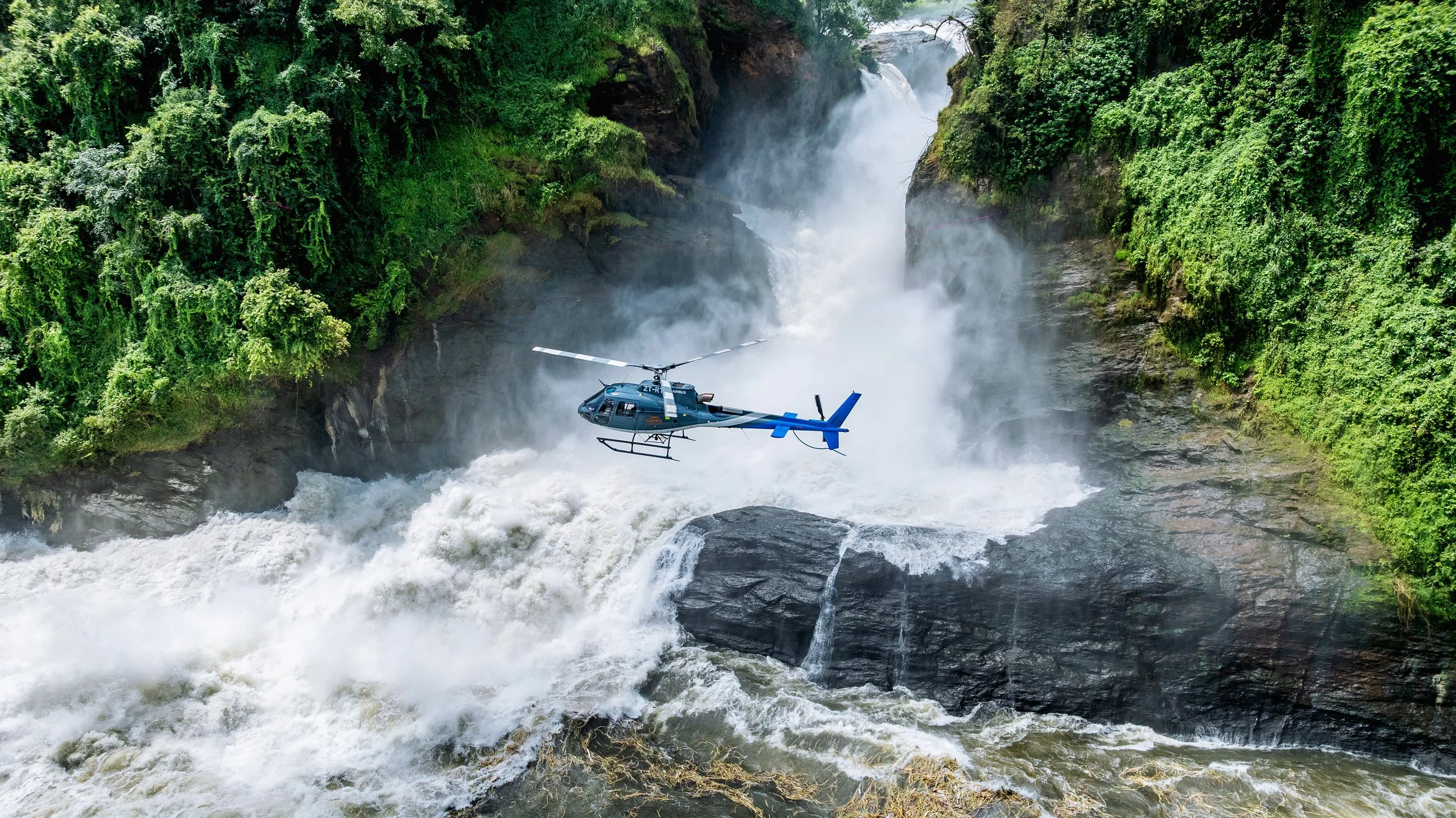
—Air transfers prioritised over inefficient drives (time + emissions balance)
—No backtracking — every movement serves the itinerary
—Fewer properties, longer stays — reduced transit fatigue and carbon footprint
—Geographic sequencing: culture embedded between logistics transitions
Community Revenue Flow
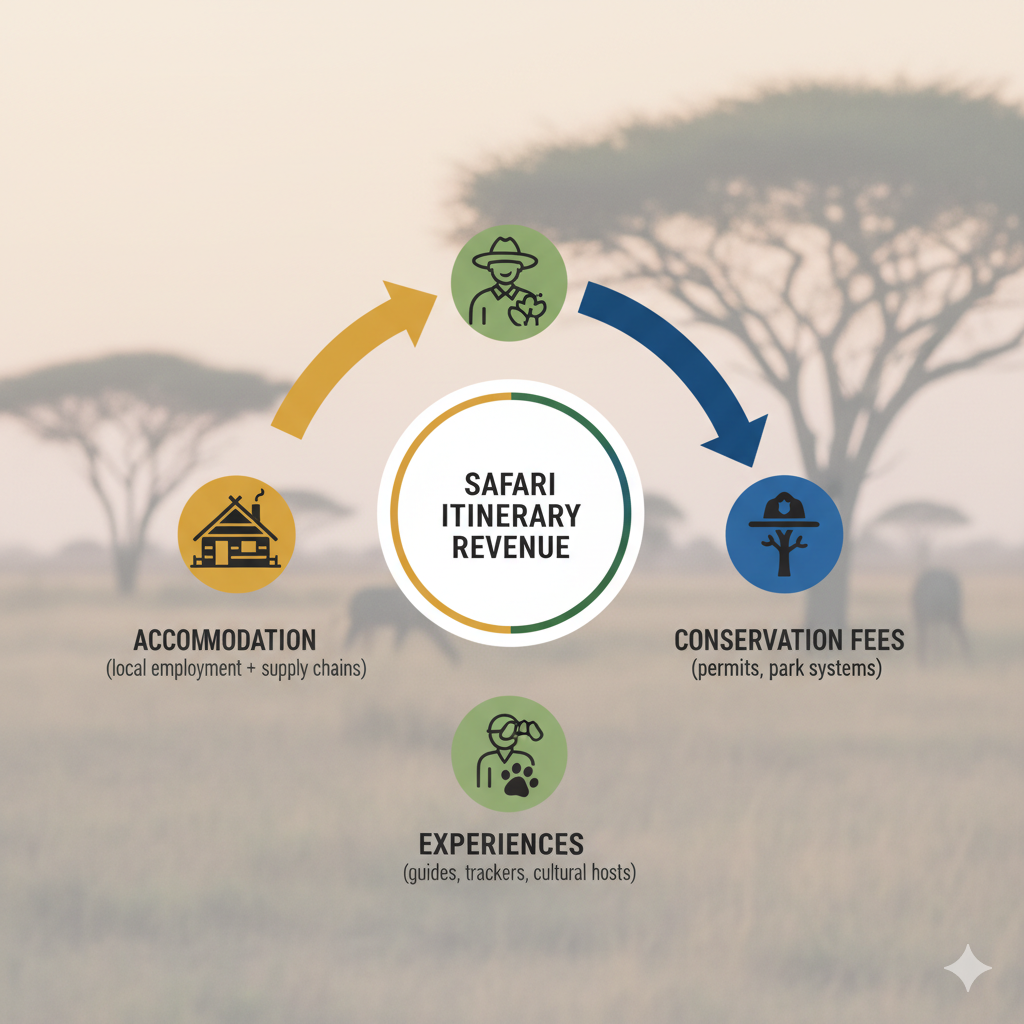
Community engagement is not incidental. It is built into the itinerary. Every stop has a revenue function.
Structure:
—Direct community payments documented per interaction
—Cultural access fees flow to community trusts, not intermediaries
—Lodge employment audits: percentage of local staff vs imported management
—Batwa, Karamojong, and Buganda communities receive verified income per visit
—No performative giving — revenue is structural, not charitable
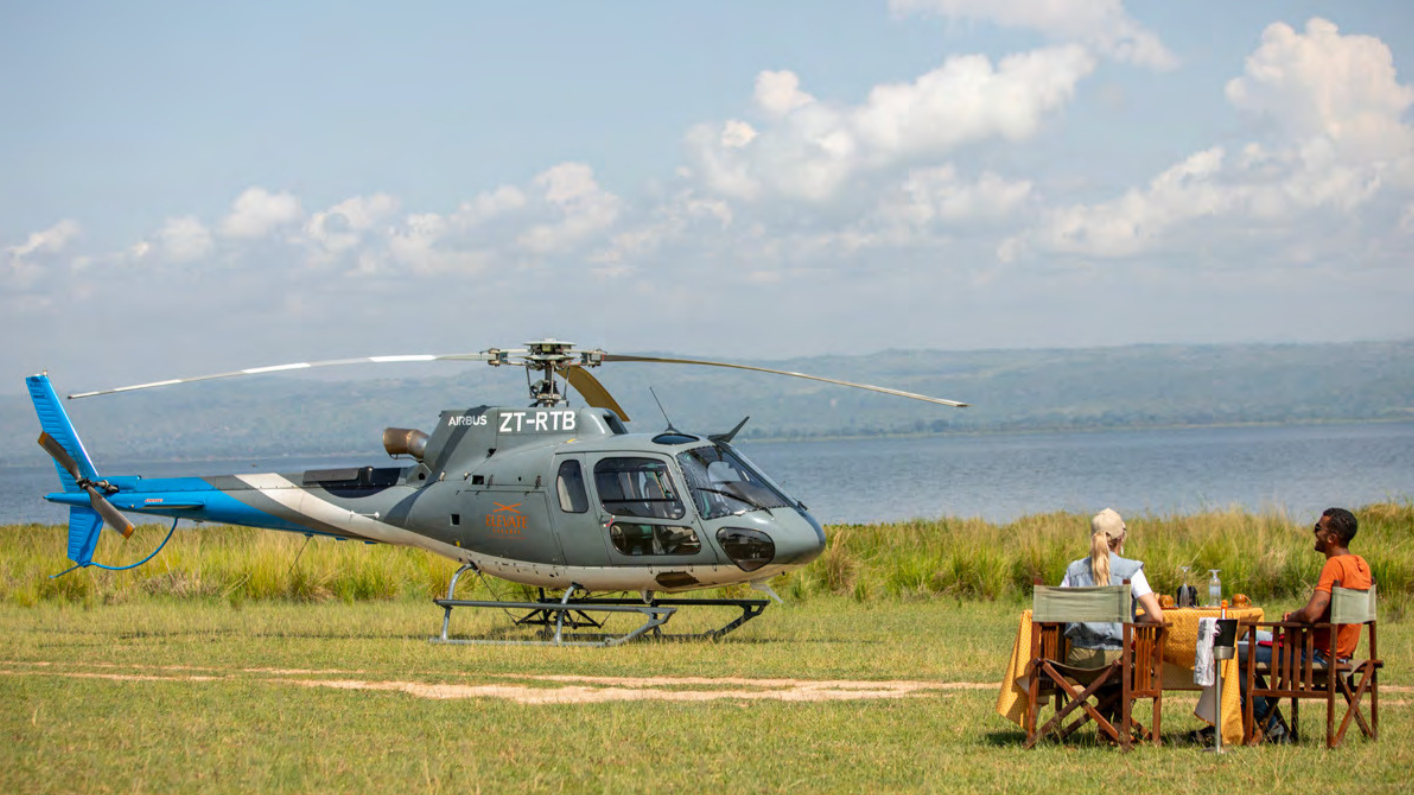
How sustainability shapes itineraries
Sustainability is not an add-on. It defines where you stay, how you move, and how long you stay.
Operational Rules
—Minimum 2-night stays per region
—Avoid single-night remote stops
—Prioritize fly-in access for distant parks
—Sequence activities to reduce repositioning
Standard Itinerary
6 locations in 7 days
Long drives between properties
High fatigue, low immersion
Kwezi Routing
3–4 locations, longer stays
Air-supported transitions
Time held inside experience
Commercial Framing
This is not about being "eco-friendly." It is about reducing friction, protecting time, and maintaining access quality.
Fewer transfers.
Better properties.
Controlled environments.
This is why the experience holds its value.
Experience Sustainable Adventure with Kwezi Adventures
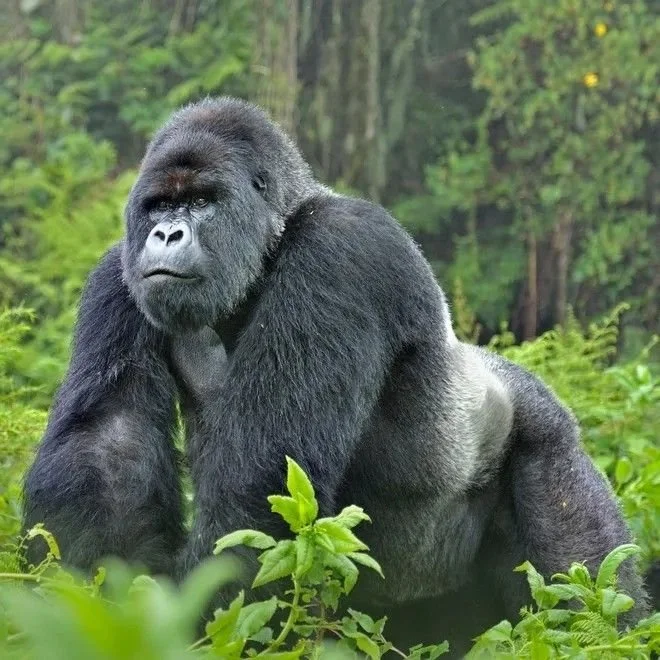
Ready to explore Uganda's wonders while supporting meaningful conservation? Discover our range of eco-friendly safaris:
Gorilla Trekking Adventures—Contribute directly to mountain gorilla conservation
Community & Wildlife Safaris—Experiences that benefit local communities
Birding & Biodiversity Tours—focused on Uganda's incredible avian diversity
Conservation Volunteer Programs—Short-term opportunities to contribute
Contact our team today to begin planning your sustainable Ugandan adventure with Kwezi Adventures!