
15 Things Nobody Tells You Before Your First Safari
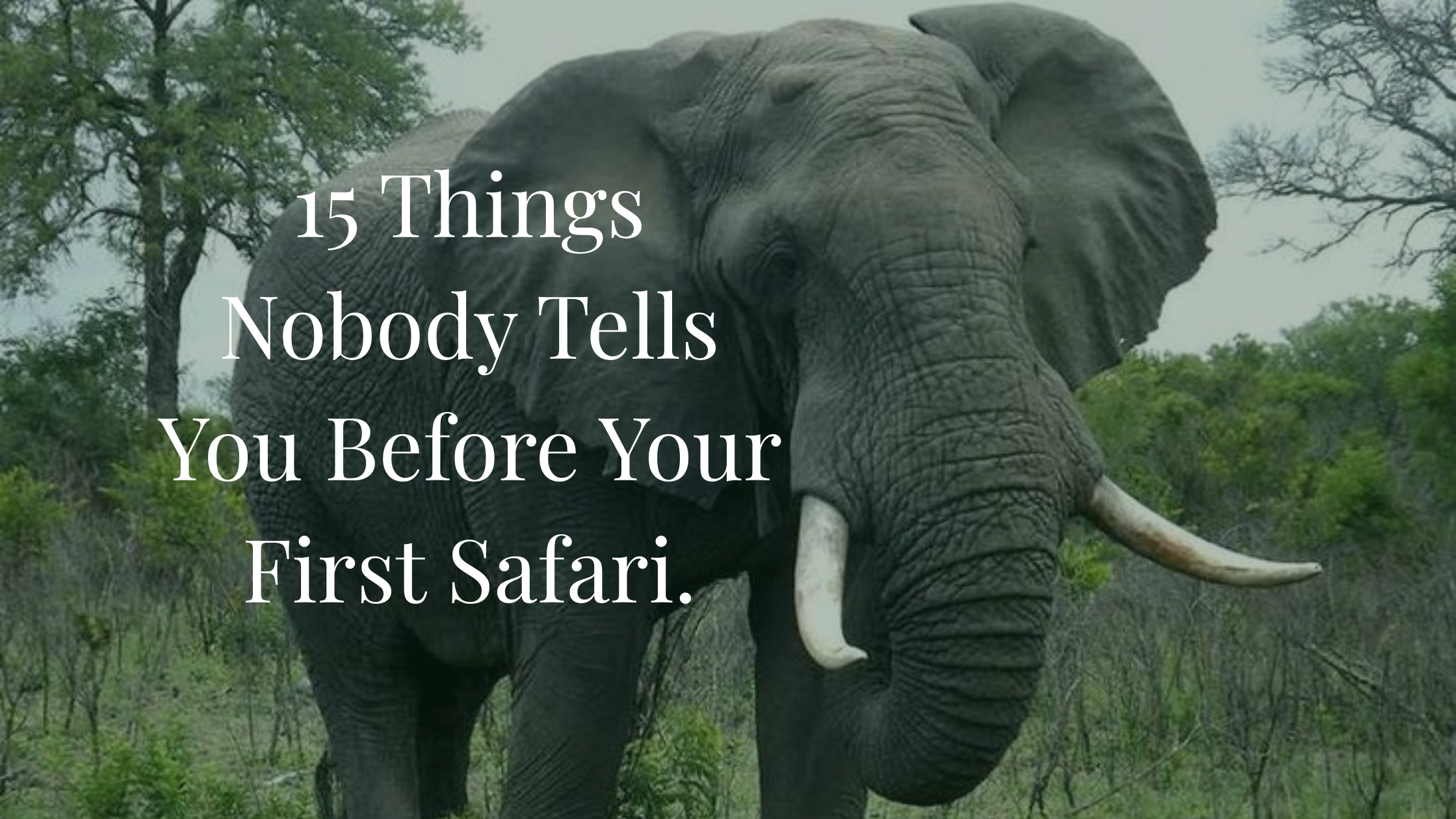
You've seen the images: a lone acacia tree silhouetted against a fiery sunset, a pride of lions lounging in golden grass, and a cup of coffee served in the silent bush. The dream of a safari is a powerful one. It promises adventure, a connection to the wild, and experiences that will stay with you forever.
And it delivers.
But the glossy brochures and Instagram posts often leave out the gritty, practical, and emotional truths that shape the real safari experience. They don't show you the 5:00 AM wake-up calls or the long silences spent scanning an apparently empty savannah.
This guide is here to fill in the gaps. To tell you what no one tells you before your first safari.
1. The Wake-Up Call Is Brutal (But Worth It)
Your first morning on safari will involve a knock on your door at an hour that most people associate with going to bed, not waking up. Game drives begin at dawn because the African bush is at its most vibrant then; predators are active, herbivores are emerging to feed, and the light is simply magical for photography.
For the first day or two, you'll stumble onto the vehicle, wrapped in a fleece, questioning your life choices. But by day three, something shifts. Your body adapts. You'll start to fall asleep by 9 PM and wake up, feeling surprisingly refreshed, ready to see what the morning has to offer. It's a rhythm you'll miss when you get home.
2. Silence Has a Sound
There is a complete absence of the noise that defines modern life: the traffic, the notifications, the constant hum of human activity. Out in the bush, kilometers from any city, you will experience a form of silence that is so profound it almost has a sound of its own. It's punctuated only by the purposeful sounds of nature: the call of a bird, the rustle of wind through grass, and the distant whoop of a hyena.
Your nervous system, often quietly overwhelmed by years of urban noise, will, as one traveler put it, "simply... exhale." This silence is one of the most powerful and surprising amenities a safari offers and one that no brochure can truly convey.
3. You'll Develop Opinions on Animals You Didn't Know You Had
Everyone arrives wanting to see the Big Five: lion, leopard, elephant, rhino, and buffalo. And they are, of course, spectacular.
But the real magic of a safari lies in the smaller moments. You might find yourself utterly transfixed by a dung beetle rolling a perfect sphere of dung twice its size. You might become inexplicably invested in the territorial dispute between two lilac-breasted rollers. You'll watch a warthog trot past with its tail sticking straight up like a tiny, ridiculous antenna and lose your mind with delight.
The safari opens a drawer of curiosity you didn't know you had, filled with things you never thought you'd care about. Be open to the small stuff; it is often the best stuff.
4. Your Guide Is the Most Important Person on the Trip
The difference between a good safari and a great one is your guide. The knowledge these people carry is staggering. They can identify a bird by a single note from 200 meters away, read a paw print in the dust to tell you how long ago it was made, and, most importantly, anticipate animal behavior to position your vehicle perfectly for a sighting.
Don't be shy. Ask questions: the "daft" ones, the obvious ones, and the ones you're embarrassed about. A good guide is not just a driver; they are a storyteller, a naturalist, and the key to unlocking a deeper understanding of the ecosystem. They are arguably the most valuable part of your safari investment.
5. It's Physically Demanding
It's easy to imagine a safari as a relaxing sightseeing trip from the comfort of a vehicle. The reality is that it can be surprisingly tiring. You'll be bouncing over rough roads, constantly scanning the bush with your eyes (which is tiring in itself), and dealing with the elements: sun, wind, and the chill of the open vehicle.
There will be significant downtime between drives, usually in the heat of the middle of the day. This is not a design flaw; it's a necessity. Use this time to nap, read, or enjoy the lodge's pool. Pacing yourself is essential to truly appreciate the experience.
6. You Will Spend More Time Looking Than Seeing
A safari is not a drive-through zoo. On a typical 3-4 hour game drive, you might spend the majority of the time scanning what looks like empty brush. This is the nature of the experience. It's a hunt, not a display.
But this scanning is part of the process. Your eyes will train. By day three, you'll start to spot animals your guide missed. The reward is a "heart-stopping close encounter" that feels earned, making it all the more memorable.
7. Wildlife Sightings Are Never Guaranteed
This might sound obvious, but many first-timers carry an unspoken expectation of a National Geographic highlight reel every single day. It's crucial to remember that this is not a zoo; it's real life. Some days you'll see everything. Other days, you might drive for hours and only see zebras and antelope.
This unpredictability is a core part of the safari's charm. It makes every encounter feel special. Go in embracing the unknown, and you will never be disappointed. As one guide puts it, "Africa reserves its best moments for the people who've stopped demanding them."
8. Camp Life is More Comfortable Than You Expect
One of the most persistent myths is that a safari involves roughing it. For most modern luxury safari camps, this couldn't be further from the truth. The days of bucket showers and pit toilets are largely behind us.
Today, you can expect proper beds, en-suite bathrooms with hot water, incredible food, and a level of service that rivals any top city hotel. You'll experience "barefoot luxury," a deep immersion in nature without sacrificing an ounce of comfort.
9. Packing is tricky but manageable.
The golden rule is "neutral colors": khaki, beige, and olive. These colors help you blend into the environment and, importantly, are less likely to attract tsetse flies.
Here is a quick, no-nonsense packing list:
Lightweight clothing: For hot afternoons.
Warm layers: A fleece and a beanie are essential for cold early mornings on the vehicle.
A wide-brimmed hat, sunglasses, and high-SPF sunscreen: The African sun is relentless.
Soft-sided duffel bag: Hard luggage is often not allowed on the small charter flights used to reach many camps.
10. You Will Delete 90% of Your Photos
Everyone goes shutter-crazy on the first day. You'll take 500 photos of a distant zebra that you will never look at again. By day three, you'll be more selective, waiting for better light and better composition.
Tip: Take a few photos, then put the camera down and just watch. The memory of being present is more vivid than any photograph. Good advice from the experts.
11. The Night Sky Will Astonish You
Most safari camps are far from any light pollution. On a clear night, you will see the Milky Way with a clarity that is utterly breathtaking. The Southern Cross and the Magellanic Clouds these celestial sights will be revealed in a way you've never experienced.
If your camp offers a stargazing session, take it. If not, just step outside before bed and look up.
12. The Emotional Impact is the Real Highlight
Few people talk about this, but it is one of the most powerful aspects of a safari. Witnessing a wildebeest crossing, a sunset over the plains, or a mother cheetah teaching her cubs to hunt can be overwhelming. It connects you to nature in a raw and profound way.
Many travelers report feeling gratitude, humility, and a deep appreciation for wildlife. Don't be surprised if you find yourself moved to tears. It is a sign that the experience is working as it should. You don't just return with photos; you often return changed.
13. You'll Want to Disconnect (and You'll Love It)
In many lodges, Wi-Fi is limited or non-existent, and cell phone reception is patchy. For the first few hours, this might feel unsettling. Then, a wonderful thing happens: you stop checking your phone.
You'll find yourself paying attention to the world immediately in front of you. You'll listen to the sounds, have longer conversations, and feel your thoughts slow down. This digital detox is one of the safari's most unexpected gifts.
14. Tipping is a Real, Meaningful Part of the Experience.
Safari staff guides, camp crew, cooks, and housekeeping work exceptionally hard and often earn modest wages. Tipping is not an optional extra; it's an expected and deeply meaningful part of the experience for them.
General guidelines for East and Southern Africa:
Guide: $15-25 per person, per day.
Camp staff (pooled): $10-20 per person, per day.
Leave in envelopes (provided by the camp). Bring USD in small denominations.
15. It is an investment but worth every penny.
Let's be clear: a safari is expensive. Costs typically include park fees, vehicle maintenance, trained guides, conservation levies, and the logistics of providing luxury experiences in remote areas.
While the prices may feel high, a significant portion of your money directly supports local communities and vital conservation and anti-poaching efforts. Think of it not as a vacation, but as an investment in one of the planet's last great wildernesses.
People Also Ask
What is the hardest part of a safari?
The hardest part is often adjusting to the early mornings and long periods of waiting. The "brutal" 5:00 AM wake-up calls for game drives can be a shock, as is the reality that game drives are often long sessions of scanning for wildlife, requiring significant patience. Most guests adjust by day three.Is an African safari worth the money?
For most travellers, yes. While it is expensive, the cost funds conservation, supports local communities, and provides a profound and potentially life-changing experience. The chance to see the Big Five and other wildlife in their natural habitat is a once-in-a-lifetime opportunity for many.What is a typical day on a safari like?
A typical safari day revolves around dawn and dusk. It starts with a 5:00 AM wake-up, a morning game drive (2-4 hours), a late breakfast, and afternoon relaxation. This is followed by an afternoon drive, sundowners in the bush, and dinner under the stars. Early nights are common as you align with nature's schedule.How should I behave around wild animals on safari?
Respect and safety are paramount. You should always follow your guide's instructions, never stand up in the vehicle or attempt to get the animals' attention, and keep noise to a minimum. Remember, you are a guest in their home.What should I not pack for a safari?
Do not pack bright colours, as they can attract insects and disturb wildlife, or military-style camouflage clothing, which is illegal for civilians in some countries. Also, avoid hard-sided luggage, as it is banned on many light aircraft flights to safari camps.
Conclusion
A first safari is an adventure of a lifetime, but it comes with surprises. By understanding these realities, the early mornings, the "boring" moments, and the emotional weight, you will be far better prepared for the journey. The unpredictability is not a flaw; it is the entire point.
Ready to plan your first safari? Trust an expert. At Kwezi Adventures, we take the time to understand what you want from this incredible experience. Our specialists can guide you every step of the way, from securing permits for gorilla trekking to recommending the perfect, sustainable lodge.
