
Uganda Safari for First-Time Visitors
Start Planning Your First Uganda Safari
Kwezi Adventures designs custom safaris for first-time visitors to Uganda. Explore our safari packages →
Introduction
Uganda is not a country you ease into. One moment you are bouncing down a dirt road toward a hidden crater lake; the next, you are deep in a rainforest tracking mountain gorillas. Cities like Kampala are loud, unpredictable, and addictive. Outside the capital, the pace slows down, but the intensity remains. Wildlife is wild, roads can surprise you, and not everything runs on time. That is part of the charm.
For first-time safari travelers, the range of choices can seem overwhelming. Scarce gorilla permits, diverse park landscapes, and shifting seasonal conditions demand careful planning. This guide distils the decisions into clear, practical steps, built from local insight and curated itineraries that capture Uganda’s most vivid experiences.
This article covers everything you need to know for your first Uganda safari. We explain why Uganda is a perfect choice for beginners, break down costs, detail the best parks, provide sample itineraries, and answer the most common questions. The information draws from official sources, expert guides, and verified traveler reviews.
Why Choose Uganda for Your First Safari
Uganda offers something rare for a first safari: intimate wildlife encounters set in landscapes of astonishing variety. Here, world-class animal viewing merges with cultural richness and genuine warmth.
Home to Half the World's Mountain Gorillas: Uganda is one of only three countries where mountain gorillas survive, sheltering over half of their global population in Bwindi Impenetrable Forest and Mgahinga Gorilla National Park. Chimpanzee trekking in Kibale Forest, the "Primate Capital of the World," brings you face-to-face with our closest relatives in the wild.
Wildlife Without the Crowds: Beyond primates, Uganda's savannah parks rival the famed reserves of East Africa. In Queen Elizabeth and Murchison Falls National Parks, elephants browse in the shade of acacias, lions hunt across open plains, and giraffes move in graceful procession, often with no other vehicle in sight.
Scenic Variety: From the snow-capped Rwenzori peaks to glassy crater lakes, from tangled rainforest to the thunder of Murchison Falls, Uganda's landscapes change dramatically within a single journey.
Conservation at the Core: Every gorilla permit sold funds anti-poaching efforts, habitat protection, and community initiatives that benefit the people living alongside the wildlife.
Less Crowded Than Kenya or Tanzania: Uganda offers a more intimate, less commercialized safari experience compared to its more famous neighbors.
Best Time to Visit Uganda for Your First Safari
Uganda: You can visit Uganda year-round, but the timing influences trekking conditions and wildlife viewing.
| Season | Period | Pros | Cons |
|---|---|---|---|
| Dry Season | June–August, December–February | Trails are firm, roads are easily passable, wildlife gathers near water sources, and conditions are ideal for gorilla and chimpanzee trekking. | Most popular travel season, higher accommodation rates, and permits should be booked well in advance. |
| Wet Season | March–May, September–November | Lush green scenery, peak birdwatching opportunities, lower travel costs, and fewer visitors. | Muddy trails, occasional road access limitations, and unpredictable rainfall. |
The dry seasons are ideal for gorilla and chimpanzee trekking. Trails are easier, and wildlife is more visible in places like Bwindi, Kibale, and Queen Elizabeth National Park. You will still get the odd tropical shower, but conditions are far more manageable.
The wet seasons bring heavy rains and slippery roads. That said, the landscape turns vibrant, lodges lower their rates, and birdwatching is at its peak. Gorilla permits can also be easier to get.
Kwezi Recommendation: For first-time visitors, we recommend the dry seasons from June to August and December to February. These months offer the most reliable conditions and the best chance of a smooth, memorable experience.
How Long Should Your First Safari Be?
The length of your safari shapes its rhythm and depth. A shorter trip delivers an intense snapshot of Uganda's highlights, while a longer itinerary lets each park and region unfold at its pace.
5–8 Days: Ideal for travelers on tighter schedules. You might pair gorilla trekking in Bwindi with game drives in Queen Elizabeth National Park, moving quickly but still experiencing Uganda's defining wildlife moments.
10–14 Days: The sweet spot for most first-time visitors. This allows time for chimpanzee trekking in Kibale, a Nile launch cruise at Murchison Falls, and perhaps cultural experiences in the Rwenzori foothills. The pace balances activity with breathing space, avoiding the rush of constant transfers.
Plan to spend at least eight days on your first Uganda safari visiting primate hotspots in southern Uganda. This should allow you to stay at least two nights in each location to view chimps, animals, and gorillas.
Kwezi Recommendation: For first-time visitors, we recommend 10 to 14 days to experience the full range of Uganda's wildlife, landscapes, and culture without feeling rushed.
Where to Go: Uganda's Must-Visit Parks for First-Timers
For first-time visitors, choosing the right parks ensures your journey is both diverse and deeply rewarding.
| Park | Best For | Key Species | Why Visit |
|---|---|---|---|
| Bwindi Impenetrable National Park | Gorilla trekking | Mountain gorillas (459) | Home to nearly half of the world's mountain gorillas and an ancient rainforest ecosystem. |
| Kibale Forest National Park | Chimpanzee tracking | Chimpanzees and 13 primate species | Known as the "Primate Capital of Africa" for its exceptional primate diversity. |
| Queen Elizabeth National Park | Tree-climbing lions and diverse ecosystems | Lions, elephants, hippos | Experience the famous Ishasha tree-climbing lions and a boat safari on the Kazinga Channel. |
| Murchison Falls National Park | Big game and boat cruises | Elephants, giraffes, lions | Explore the Nile by boat and witness the dramatic Murchison Falls. |
| Lake Mburo National Park | Walking safaris and a compact park experience | Zebras, impalas, leopards | Conveniently located near Kampala with guided walking safaris and excellent plains wildlife. |
| Ziwa Rhino Sanctuary | Rhino tracking | White rhinos (30+) | The only place in Uganda where wild rhinos can be tracked on foot. |
Bwindi Impenetrable National Park: The headline act for gorilla trekking. Trails wind through mossy ridges and fern-thick valleys until the forest opens on a gorilla family: a silverback watching, juveniles tumbling, the air cool and earthy.
Queen Elizabeth National Park: A mosaic of open savannah, acacia woodland, and volcanic craters. In the Ishasha sector, tree-climbing lions lounge in fig branches, while a Kazinga Channel boat cruise brings hippos at arm's length, elephants on the shore, and a sweep of bee-eaters flashing along the banks.
Kibale Forest National Park: Intimate chimpanzee encounters in cathedral-tall forests. Expect drumming on buttress roots, quick bursts of movement in the canopy, and a chorus of other primates.
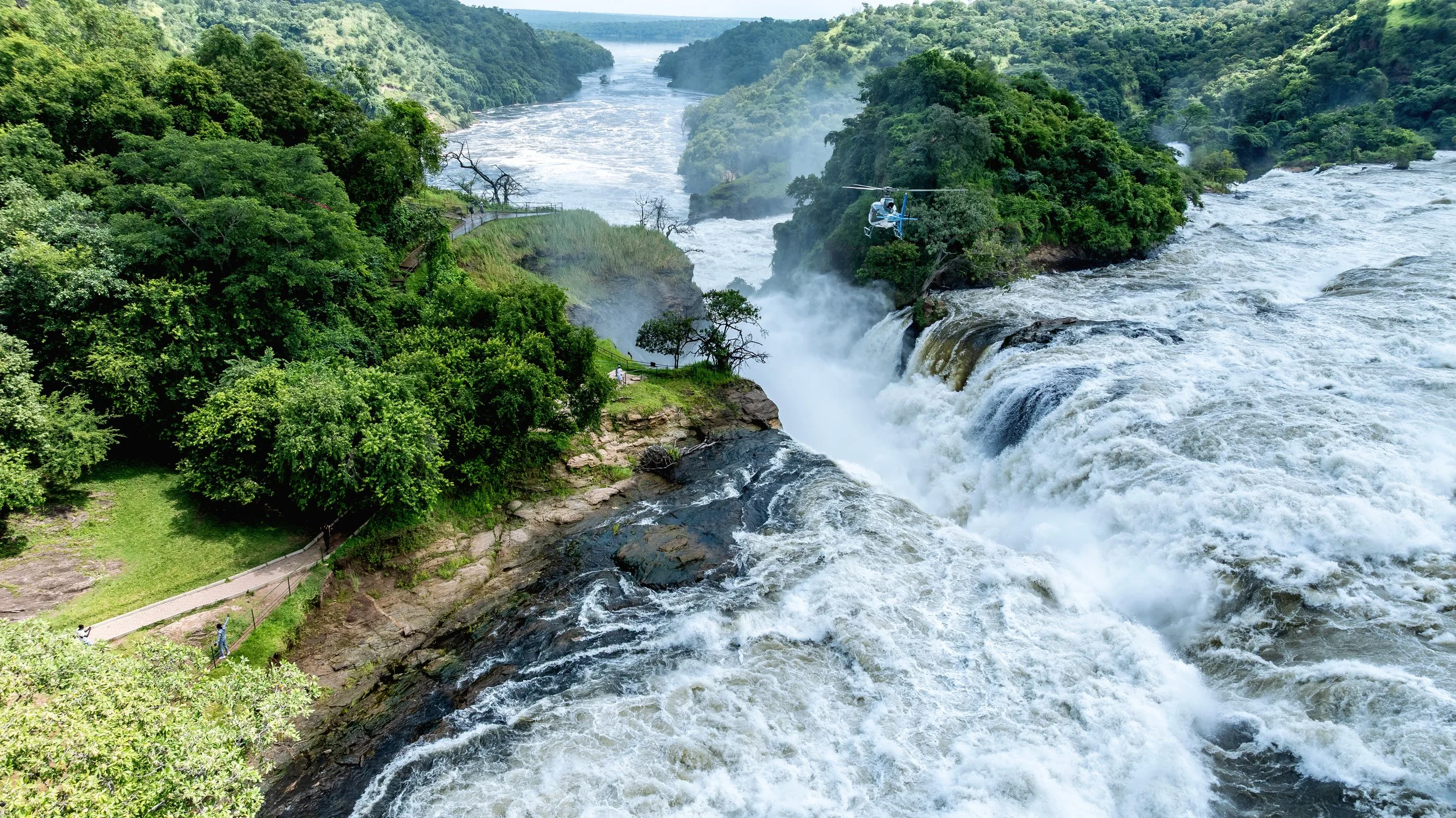
Murchison Falls National Park: The Nile squeezes through a seven-meter gorge and explodes into mist. Upstream, the delta is prime for shoebill sightings; downstream, game drives cross rolling grasslands with giraffe towers, oribi grazing, and lions shimmering in the heat.
Kwezi Recommendation for First-Timers: A combination of Bwindi (gorillas), Queen Elizabeth (tree-climbing lions and boat safari), and Kibale Forest (chimpanzees) gives you primates, big game, and amazing scenery.
Step-by-Step Safari Planning Guide
Step 1: Decide When to Go
Uganda is a year-round destination, but seasons impact the experience. The dry seasons from June to September and December to February offer the best game viewing and hiking conditions. If gorilla trekking is a top priority, the dry season is ideal.
Step 2: Define Your Safari Focus
Decide what must be in the frame: gorillas, chimps, classic big game, birding, culture, or a blend. This choice sets the route, pace, and budget.
Step 3: Map Destinations to Your Goals
Primates first: Bwindi + Kibale; add Queen Elizabeth for variety.
Big game and river scenes: Murchison Falls and Queen Elizabeth (Kazinga Channel and Nile delta).
Remote and wild: Add Kidepo, or for lowland rainforest specialties, add Semuliki.
Step 4: Set a Realistic Budget
Core costs include permits, lodging, transport, and guiding. Gorilla permits for foreign non-residents are currently $800**, and Kibale chimp permits are $300. Add domestic flights if you prefer to shorten long drives. Choose lodge tiers that match your style, from intimate eco-lodges to high-end tented camps.
Step 5: Secure Permits Early
Book gorilla and chimpanzee permits 4 to 12 months ahead for peak seasons. A licensed operator coordinates permit dates with your route so you are not crisscrossing the country.
Step 6: Book Accommodation
Uganda offers accommodation for every budget:
Luxury lodges: All-inclusive, stunning views, top service, privacy
Mid-range lodges: Comfortable, clean, and usually located near park gates
Budget options: Basic guesthouses, hostels, or community-run campsites
Always book early during the high season.
Step 7: Arrange Transport
Most visitors choose to explore Uganda in a private 4×4 with a driver-guide. Public transport such as buses and matatus is available but often crowded and slow. Charter flights are available to airstrips near Bwindi, Queen Elizabeth, and Kidepo.
Step 8: Pack the Right Gear
Packing well will improve your comfort and experience. Key items include:
Lightweight, breathable clothing in neutral colors
Waterproof hiking boots and rain jacket
Long sleeves and pants for forest walks
Binoculars and a good camera
Insect repellent and sunscreen
Daypack, reusable water bottle, hat, and sunglasses
Personal medications and travel documents
For gorilla trekking, gloves, gaiters, and walking sticks are helpful.
Step 9: Prepare Health and Paperwork
Yellow fever vaccination certificate: Mandatory for entry into Uganda
Malaria prophylaxis: Recommended for all travelers
Travel insurance: Essential, especially for remote areas
Visa: Most travelers need an e-visa applied for online before arrival.
Step 10: Work with a Reputable Safari Operator
Your first safari will be smoother with help from an experienced local or international operator like Kwezi Adventures. A good safari company will handle permits, logistics, and bookings; provide knowledgeable guides; customize your itinerary based on your needs; and ensure comfort, safety, and great wildlife viewing.
Sample 8-Day First-Timer Uganda Safari Itinerary
This route balances primate adventures with full safari days in savannah parks.
Day 1 – Arrive Entebbe: Land at EBB and settle into a lakeside lodge. Sunset over Lake Victoria and an early night set the tone.
Day 2 – Drive to Kibale: Drive through tea country to Kibale Forest National Park. Late-afternoon walk in Bigodi's papyrus channels for colobus, turacos, and sitatunga sightings.
Day 3 – Chimpanzee Trekking → Queen Elizabeth: Morning chimp trek under towering figs. After lunch, drive to Queen Elizabeth National Park.
Day 4 – Game Drive and Kazinga Channel: Dawn in the Kasenyi Plains for big game viewing. Afternoon Kazinga Channel boat safari for hippos, crocodiles, elephants, and birds.
Day 5 – Ishasha Sector: Drive to the southern Ishasha sector to search for the rare tree-climbing lions lounging in fig trees.
Day 6 – Drive to Bwindi: Travel toward Bwindi Impenetrable Forest. Prepare for gorilla trekking the following morning.
Day 7 – Gorilla Trekking Day: Trek through the ancient rainforest to spend one unforgettable hour with mountain gorillas.
Day 8 – Depart: Final drive back to Entebbe for departure. Depending on your flight schedule, add a short scenic stop or souvenir time.
Safari Costs for First-Time Visitors
| Budget Level | Approx. Cost Per Day | Inclusions |
|---|---|---|
| Budget | $150–$250 | Transport, basic lodges, and park fees. |
| Mid-Range | $250–$400 | Higher-quality lodges, guided tours, and meals. |
| Luxury | $500+ | Premium lodges, fly-in safari options, and a private guide. |
Uganda is affordable day-to-day, but the big-ticket experiences come with steep price tags. The most expensive activity is gorilla trekking. A permit costs $800 and is non-negotiable.
On a mid-range budget ($100 to $200 per day), you can hire a car and driver, stay in good lodges, and join guided treks or boat trips.
Safety Tips for First-Time Visitors
Uganda is generally safe, but it pays to stay alert and informed. Most visits are trouble-free, and Ugandans tend to be warm, curious, and welcoming.
City Safety: Kampala is busy and chaotic, especially in the central districts. Pickpocketing happens in crowded areas. Avoid walking alone at night in cities or unfamiliar towns. Use ride-hailing apps like SafeBoda instead of flagging random motorcycle taxis.
Rural Safety: Risks are more about logistics: getting stuck on bad roads, running out of fuel, or losing signal in remote parks. If you are self-driving, plan carefully, carry extra supplies, and avoid driving at night.
Solo Travel: Solo travel is doable with common sense. Women can travel alone, but dressing modestly and avoiding isolated areas after dark is a smart move.
On Safaris: On wildlife safaris or treks, follow your guide's instructions at all times.
People Also Ask About Uganda Safaris for First-Time Visitors
Q: Is Uganda safe for first-time safari travelers?
A: Yes, Uganda is generally safe for tourists. Most visits are trouble-free, and Ugandans are warm and welcoming. Use reputable operators, avoid walking alone at night in cities, and follow your guide's instructions on wildlife encounters. Crime is mostly opportunistic, so keep valuables out of sight.
Q: How much does a gorilla permit cost in Uganda?
A: Gorilla permits for foreign non-residents cost $800 per person for the standard trek in Bwindi or Mgahinga. The Gorilla Habituation Experience (up to four hours with gorillas) costs $1,800. Chimpanzee permits in Kibale cost $300.
Q: What is the best time of year for a first safari in Uganda?
A: The dry seasons from June to August and December to February offer the best conditions. Trails are firmer, roads are more accessible, and wildlife congregates around water sources, making sightings easier. The wet seasons offer lush landscapes, fewer crowds, and lower prices but can make roads muddy.
Q: How long should my first Uganda safari be?
A: Plan to spend at least 8 days on your first safari. This allows you to visit primate hotspots in southern Uganda and stay at least two nights in each location to view chimps, animals, and gorillas. For a more relaxed pace, aim for 10 to 14 days.
Q: What should I pack for a Uganda safari?
A: Pack neutral-colored clothing (khaki, olive, and brown); long-sleeved shirts and trousers; waterproof hiking boots; a rain jacket; insect repellent with DEET; sunscreen; a wide-brimmed hat; binoculars; and a camera with a zoom lens. For gorilla trekking, bring gloves, gaiters, and a walking stick.
Q: Do I need a visa for Uganda?
A: Most travelers need a tourist e-visa applied for online before arrival. It is valid for 90 days and can be used at airports and land borders. Apply through the official Ugandan immigration website and allow at least a week for processing. You will need a passport valid for six months, a recent photo, a yellow fever certificate, and proof of accommodation or travel plans.
Q: Is Uganda cheaper than Kenya or Tanzania for a safari?
A: Yes, Uganda is generally more affordable for safaris than Kenya or Tanzania. The gorilla permit is $800, compared to Rwanda's $1,500. Park fees are lower, and accommodation options span a wider price range. Local meals and transport are also cheaper.
Q: Can I combine gorilla trekking with a classic safari?
A: Yes. Most first-time visitors combine gorilla trekking in Bwindi with chimpanzee tracking in Kibale, game drives in Queen Elizabeth, and a boat safari on the Kazinga Channel. This gives you a complete Uganda safari experience.
Q: Do I need a yellow fever vaccination for Uganda?
A: Yes, a yellow fever vaccination is mandatory for entry into Uganda. You must carry the vaccination certificate with you. It is also recommended to get vaccinations for typhoid, hepatitis A & B, and tetanus. Malaria prophylaxis is also strongly recommended.
Q: Is Uganda good for a self-drive safari for first-timers?
A: A self-drive safari offers unparalleled freedom, but it requires more preparation. For first-timers, we recommend hiring a vehicle with a driver-guide. This allows you to enjoy the scenery and wildlife without worrying about navigation, road conditions, and police checkpoints. If you do choose to self-drive, use a sturdy 4×4, carry extra supplies, and avoid driving at night.
Start Planning Your First Uganda Safari
Your first Ugandan safari will be filled with unforgettable moments from locking eyes with a silverback gorilla to watching elephants bathe under a glowing sunset. With the right planning, you can enjoy one of the world's most spectacular wildlife experiences in a country that offers natural diversity, authenticity, and heartwarming hospitality.
Kwezi Adventures designs custom safaris for first-time visitors to Uganda. We handle permits, accommodation, transport, and expert guiding. Our goal is to make the process seamless so you can focus on the once-in-a-lifetime experience ahead.
Ready to plan your first Uganda safari?
Contact Kwezi Adventures today. Tell us your interests, travel dates, and group size. We will create a safari that brings you face to face with Uganda's extraordinary wildlife. Your journey into the Pearl of Africa starts here.
