
Lessons Silverback Gorillas Teach Us About True Leadership
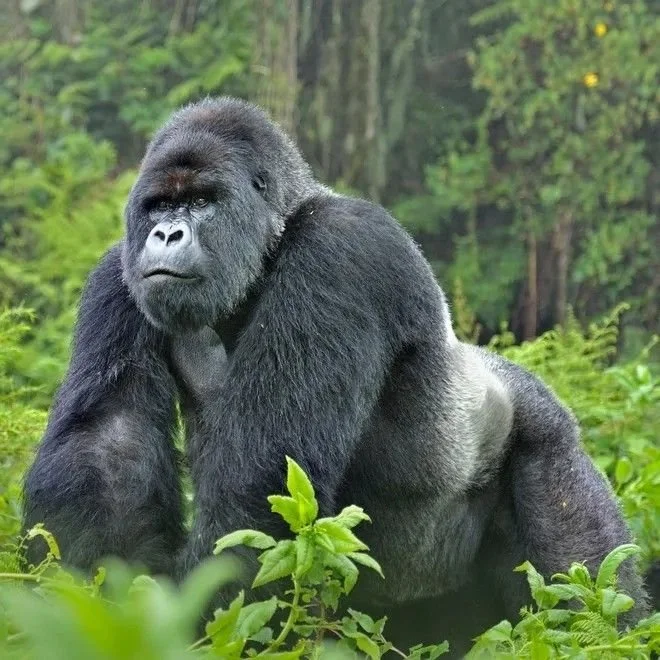
In our search for models of effective leadership, we often look to boardrooms, history books, or academic theories. But what if one of the most profound masterclasses in strength, resilience, and guidance happens not in a skyscraper, but in the misty, ancient forests of Bwindi? If you've ever felt that modern leadership concepts lack heart or depth, you're not alone. We agree that the natural world holds untapped wisdom, and the silverback gorilla leadership model is a breathtaking example.
This exploration promises to reframe your understanding of power and responsibility. We’ll decode the silent, powerful language of a silverback's reign not as a brute-force dictatorship, but as a complex system of protection, connection, and strategic calm. In practical terms, imagine leading a project team with a calm and assured presence, steering them past obstacles much like a silverback would guide his family through forest challenges. Picture reducing workplace friction not with harsh directives, but by fostering an environment of mutual respect and cooperation. You'll walk away with five tangible lessons from silverbacks that can be applied to your team, family, and personal challenges.
We’ll preview the core pillars of a silverback's role: protector, decision-maker, conflict resolver, and emotional center of the family. You'll see how their immense physical strength is secondary to their profound emotional intelligence and how their survival strategies focus less on aggression and more on fostering unity and resilience.
The Silverback as the Ultimate Leader
Observing a mountain gorilla family in Uganda’s Impenetrable Forest is to witness a living blueprint of cohesive leadership. The silverback, distinguished by the saddle of silver hair across his back, is the nucleus. His authority isn't granted by a title but earned through consistent action and demonstrated care. This silverback gorilla's leadership style offers a powerful mirror for our own human endeavors, highlighting that true strength is multifaceted.
Five Wild Lessons in Leadership and Resilience
1. Strength is for Protection, Not Intimidation
In the Wild: A silverback's formidable physical power is rarely used for offense. Its primary purpose is to protect the family from threats, be it a rival gorilla, a forest predator, or human encroachment. He places himself between danger and his family, a literal shield.
The Human Parallel: Effective leaders use their strength (influence, resources, knowledge) to create a safe environment for their team. This means fostering psychological safety where team members feel secure to innovate, voice concerns, and make mistakes without fear. Leadership strength should be a shelter, not a weapon.
2. Lead with Quiet Confidence, Not Constant Noise
In the Wild: Silverbacks are largely calm and deliberate. They communicate through gentle grunts, subtle gestures, and focused presence. A mere glance or a low rumble can guide the entire group. Panic and unnecessary aggression are signs of a weak leader.
The Human Parallel: The quietest person in the room is often the most authoritative. Quiet confidence demonstrated through composed decision-making, active listening, and a steady presence builds deeper trust and respect than constant directives or bluster. It signals control and assurance.
3. Decision-Making is a Responsibility, Not a Privilege
In the Wild: The silverback decides when to wake, where to forage, and when to rest. These choices are critical for survival, determining access to food and safety. He leads the daily journey, often checking that all members are keeping pace.
The Human Parallel: Leadership is the responsibility to make clear decisions that steer the collective toward well-being and goals. It requires foresight, assessing resources (like food in the forest), and ensuring no one is left behind. It’s a duty of care, not a perk of power.
4. Resolve Conflict with Presence, Not Violence
In the Wild: When squabbles break out among younger gorillas or females, the silverback often ends them not with attack, but with an imposing, intervening presence. A simple move between the arguing parties or a disciplinary grunt is usually enough to restore harmony.
The Human Parallel: Great leaders are skilled mediators. They address team friction early, not with punitive force, but with a calming, impartial presence that de-escalates tension and refocuses the group on shared objectives. They uphold the peace.
5. The Heart of Resilience is Community
The silverback anchors the family, but resilience is a shared responsibility. Females nurture the young, juveniles learn through play, and all groom each other to strengthen social bonds. The silverback’s leadership supports this cooperative structure as it faces environmental challenges.
The Human Parallel: No leader succeeds alone. Fostering a resilient community where roles are respected, support is mutual, and bonds are strengthened through shared experience (like "grooming" or team-building) is the ultimate leadership achievement. Just as gorillas groom each other to build and maintain social bonds, in a business context, "grooming" can be seen as mentoring new members, offering constructive feedback, or establishing team rituals that encourage collaboration. These actions ensure that the group survives and thrives through challenges.
A Lesson Observed, Not Just Theorized
These aren't abstract concepts. On a gorilla trekking safari with Kwezi Adventures, you witness this leadership drama unfold in real time. You see the silverback gently corralling an adventurous infant, the group feeding contentedly under his watchful gaze, and the profound, non-verbal communication that holds the family together. It’s a transformative observation that grounds these lessons in powerful reality.
People Also Ask: Your Silverback Leadership Questions Answered
Q: Are silverback gorillas aggressive?
A: Not inherently. Their default state is calm and protective. Aggression is a last resort, primarily displayed toward external threats or rival males. Within the family, their authority is maintained through confidence and presence, not violence. This is a key lesson from silverbacks: true authority doesn't need to be cruel.
Q: What happens when a silverback dies or is overthrown?
A: It creates a profound crisis. If no mature male is ready to lead, the family may fragment, becoming vulnerable. A new silverback (often an outsider) may take over, sometimes harming infants to bring females into ovulation, a stark reminder that leadership transitions are critical and why stable, earned leadership is vital for survival.
Q: Can female gorillas be leaders?
A: While the patriarchal structure is clear, females hold immense social power. They choose which group to join and can influence group movement through their preferences. Their role in rearing young and maintaining social bonds is the bedrock of the family's resilience, teaching us that leadership is also about nurturing the ecosystem you lead.
Q: How does this relate to modern business or team leadership?
A: Directly. The silverback gorilla leadership model champions servant leadership: using your position to serve and protect your team's well-being. It values emotional intelligence, decisive calm, and community-building over top-down control. In an age seeking authentic leadership, these wild lessons are strikingly relevant.
Bringing the Lessons Home
The mist-covered volcanoes and forests of Uganda are more than a wildlife destination; they are a classroom. The lessons from silverbacks about protection over predation, calm over chaos, and community over individualism are timeless guidelines for anyone tasked with guiding others.
Ready to witness this profound leadership in person and bring its lessons into your own world? Contact Kwezi Adventures to book your transformative gorilla trekking safari. Stand in the presence of a silverback, observe the quiet power of his reign, and return with a deeper understanding of true strength. Your most impactful leadership lesson awaits in the Impenetrable Forest.
