Habituated Gorilla Groups in Uganda
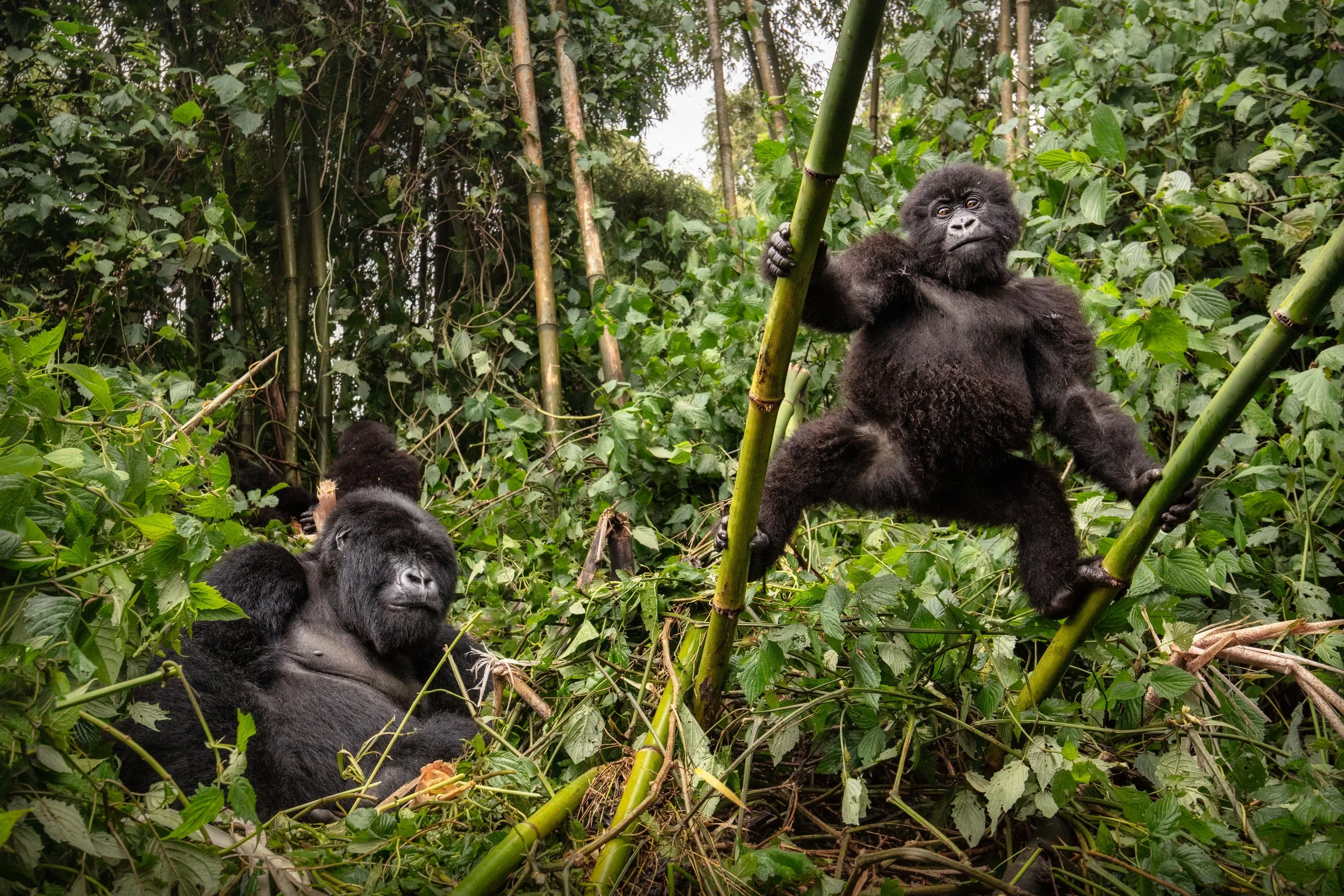
You're planning the pinnacle of wildlife encounters: trekking to see mountain gorillas in the wild. Your research has led you to Uganda's Bwindi Impenetrable and Mgahinga National Parks, but now you're wondering: Which gorilla family will I visit? We agree that understanding the habituated gorilla groups in Uganda is more than trivia; it's key to anticipating the character of your trek and the profound experience that awaits.
This guide promises to be your definitive reference to the gorilla families. We’ll demystify the process of habituation, provide a clear overview of the key groups across Uganda's different park sectors, and share insights into their unique dynamics. You'll learn how to interpret group information and what it means for your trekking experience, helping you feel connected to your assigned family before you even set foot in the forest.
We’ll preview the science and patience behind gorilla habituation, then explore the distinct habituated gorilla groups in Uganda, from the mighty families of Bwindi's dense forests to the smaller groups on Mgahinga's volcanic slopes. You'll understand the differences between sectors and how guides match trekkers with groups.
What Does "Habituated Gorilla Group" Mean?
Before meeting the families, it's crucial to understand habituation. This is a slow, careful 2-5 year process where conservationists and trackers gradually accustom a wild gorilla family to human presence. It involves daily, non-intrusive visits, allowing the gorillas to lose their fear and behave naturally around people. This process is the only reason we can observe them for a magical hour without causing them distress. These habituated gorilla groups in Uganda are the ambassadors of their species, and visiting them directly funds the protection of their wild counterparts.
The Gorilla Families of Bwindi Impenetrable National Park
Bwindi, a UNESCO site, is divided into four trekking sectors, each with several habituated families. The sector you trek in determines the scenery, trekking difficulty, and which family you'll meet.
Buhoma Sector (North)
The Gateway: The original and most accessible sector. Trails are often less strenuous, ideal for first-time trekkers.
Notable Families:
Mubare: The first group habituated in Uganda (1993). A historic family with a stable, experienced silverback.
Rushegura: A large, thriving offshoot of the Habinyanja group, known for being relatively calm and well-accustomed to visitors.
Habinyanja: Another long-standing group, known for its fascinating history and dynamics.
Ruhija Sector (East)
High-Altitude Forests: Offers stunning views and cooler temperatures. Treks can be more challenging due to steep terrain.
Notable Families:
Bitukura: Known for its exceptional tolerance and calm demeanor, often cited as one of the most peaceful groups to visit.
Oruzogo: A stable family that frequently forages in more open areas, offering good photographic opportunities.
Kyaguliro: Used for ongoing scientific research, this group provides a fascinating look into gorilla behavior studies.
Rushaga & Nkuringo Sectors (South)
The Challenging & Rewarding South: Features some of the most dramatic, steep terrain and is home to the unique Gorilla Habituation Experience (GHE).
Notable Families:
Nkuringo: A majestic family residing in the stunningly beautiful but demanding Nkuringo sector. The trek is tough but immensely rewarding.
Rushaga Families (e.g., Bikingi, Mishaya, Kahungye): This sector has the highest concentration of groups. The Kahungye group is notable for having three silverbacks, a rare and fascinating social structure.
Gorilla Habituation Experience (GHE): Exclusive to Rushaga, this is a 4-hour visit with a group still in the final stages of habituation. It's more raw and interactive than the standard 1-hour visit.
The Gorilla Families of Mgahinga Gorilla National Park
Mgahinga, part of the Virunga Massif, is smaller and has one habituated family that ranges across the volcanic slopes between Uganda, Rwanda, and the DRC.
The Nyakagezi Group: This is Mgahinga's celebrated family. They are known for their dramatic movements across international borders. Seeing them offers a unique backdrop of volcanic peaks and alpine vegetation. Their presence in Uganda is not guaranteed, but when they are home, the trek through bamboo forests is unforgettable.
How Are You Assigned a Gorilla Group?
You do not typically choose a specific family. On the morning of your trek, guides assess the location of each group from the previous day's tracking and assign families based on:
Trekker Fitness: More strenuous groups (like Nkuringo) are assigned to those with higher fitness.
Group Proximity: The guides aim to minimize trekking time while ensuring a good distribution of visitors.
Special Requests: While not guaranteed, requests (e.g., for the GHE) can be made in advance through your tour operator, like Kwezi Adventures.
Planning Your 2026 Gorilla Trekking Safari
To see the habituated gorilla groups in Uganda, you must secure a permit from the Uganda Wildlife Authority (UWA).
Standard Trekking
$800 for 1 Hour
Habituation Experience
$1,500 for 4 Hours
Pro Tip: In 2026, demand is at an all-time high. We recommend booking your permits at least 6 to 10 months in advance to guarantee a spot in your preferred sector.
People Also Ask: Your Gorilla Group Questions Answered
Q: How many habituated gorilla groups are there in Uganda?
A: The number changes as new groups complete habituation and others split or reform. As of 2024, there are approximately 20 habituated gorilla groups in Uganda: 19 in Bwindi and 1 in Mgahinga. This abundance is what makes Uganda the premier destination for gorilla trekking.
Q: Is one gorilla family "better" to visit than another?
A: Not objectively. Each group offers a unique experience. A larger group like Rushegura means more activity, while a group with multiple silverbacks like Kahungye offers fascinating social dynamics. The Gorilla Habituation Experience is "better" for those seeking a longer, more observational visit. The "best" group is the one you connect with.
Q: Can I visit the same group as a friend who trekked last year?
A: Possibly, but gorilla family dynamics are fluid. Families can split (a process called fission), new silverbacks can take over, and infants are born. The Mubare group your friend saw may have a different composition or even have split into new groups. Every visit is unique.
Q: What happens if "my" assigned gorilla group is deep in the forest?
A: Trekking is an adventure. While trackers have a good idea of location, gorillas move. A "deep" trek can mean a 4-8-hour round trip. This is why fitness is crucial. Your reward is an authentic wilderness experience and the unparalleled joy of finally finding them. Our guides ensure your safety and pacing throughout.
Q: How many people can visit a gorilla family per day?
A: To ensure conservation, only 8 people are allowed to visit a single habituated group per day for one hour.
Q: What is the best time to visit gorillas in Uganda?
A: The dry seasons, June to September and December to February, offer the best trekking conditions with less mud on the trails.
Conclusion: Your Invitation into the Family
Understanding the habituated gorilla groups in Uganda transforms your trek from a generic activity into a personal encounter. You're not just going to see gorillas; you're going to meet the Mubare pioneers, the peaceful Bitukura, or the traveling Nyakagezi family.
Ready to meet your gorilla family? Contact Kwezi Adventures to book your permit and safari. We provide expert guidance on sector selection, ensure you are physically prepared, and handle all logistics, so you can focus entirely on the life-changing moment you enter the world of a habituated gorilla group.