
Uganda Wildlife Guide
Start Planning Your Uganda Safari
Kwezi Adventures offers custom wildlife safaris across Uganda’s most spectacular parks. Explore our safari packages →
Introduction
Uganda stands apart from other African safari destinations. While Kenya and Tanzania are celebrated for their wide savannahs and big-cat drama, Uganda offers something profoundly different: a rare mix of primates, lush rainforest, big-game savannahs, dramatic waterfalls, and water-based wildlife encounters, all packed into one compact, welcoming country.
This small equatorial nation, roughly the size of Great Britain, boasts Africa’s most biodiverse safari circuit. With over 1,000 bird species and nearly half of the world’s remaining mountain gorillas, Uganda delivers a wildlife experience that few other African countries can match.
This comprehensive Uganda wildlife guide covers everything you need to plan your safari. We explain the best parks for each species, compare gorilla versus chimpanzee trekking, detail seasonal planning, and provide practical tips for first-time visitors. The information draws from official sources, expert guides, and years of on-the-ground experience.
What Makes Uganda’s Wildlife Unique?
Uganda’s wildlife is exceptional for two reasons: diversity and intimacy.
The country sits at the intersection of two major African ecosystems. The eastern savannahs meet the western jungle here, creating habitats for wildlife that you would not find together in any other country. You can track mountain gorillas in misty rainforests, watch tree-climbing lions in open savannah, and search for the prehistoric shoebill stork in papyrus swamps, all in a single trip.
Uganda’s parks are also less crowded than those in Kenya or Tanzania. Wildlife viewing feels intimate and authentic. A sighting of a lion, elephant, or leopard here is a moment to treasure and is seldom shared with multiple vehicles.
Key Uganda Wildlife Statistics
| Species Category | Numbers |
|---|---|
| Bird Species | Over 1,000 recorded |
| Mountain Gorillas | 459 in the Bwindi–Sarambwe ecosystem (approximately 51% of the world's population) |
| Mammal Species | Over 330 across all parks |
| National Parks | 10 spectacular protected areas |
The Top Uganda Wildlife Experiences
Mountain Gorilla Trekking
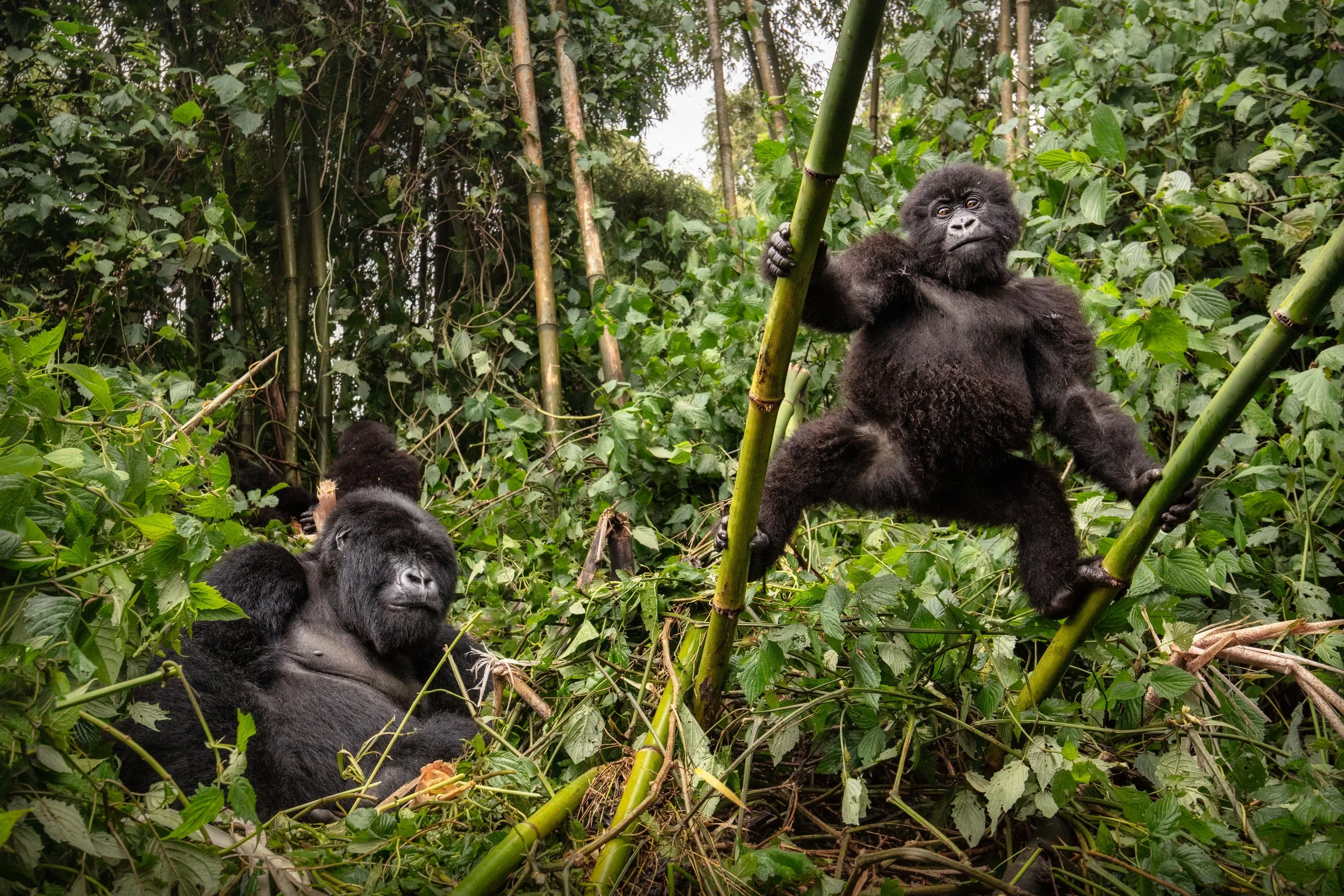
Gorilla trekking is the pinnacle of Ugandan wildlife safaris. Bwindi Impenetrable National Park is home to almost half of the world’s mountain gorilla population. The park, a UNESCO Natural World Heritage Site since 1994, protects 331 square kilometres of ancient rainforest.
The Experience: Treks take you into dense montane forests led by trained rangers. The hike can last from one to several hours depending on the gorilla family’s location. Once found, groups of eight visitors spend one unforgettable hour observing the family at a respectful distance. Seeing a silverback gorilla metres away is humbling, emotional, and often described as life-changing.
Gorilla Population Growth:
1997: 292 gorillas
2002: 320 gorillas
2011: 400 gorillas
2018: 459 gorillas
This increase led to the change in IUCN Red List classification from Critically Endangered to Endangered in 2018.
Where to Trek:
Bwindi Impenetrable National Park (multiple sectors: Buhoma, Ruhija, Rushaga, Nkuringo)
Mgahinga Gorilla National Park (smaller, less crowded alternative)
Chimpanzee Tracking
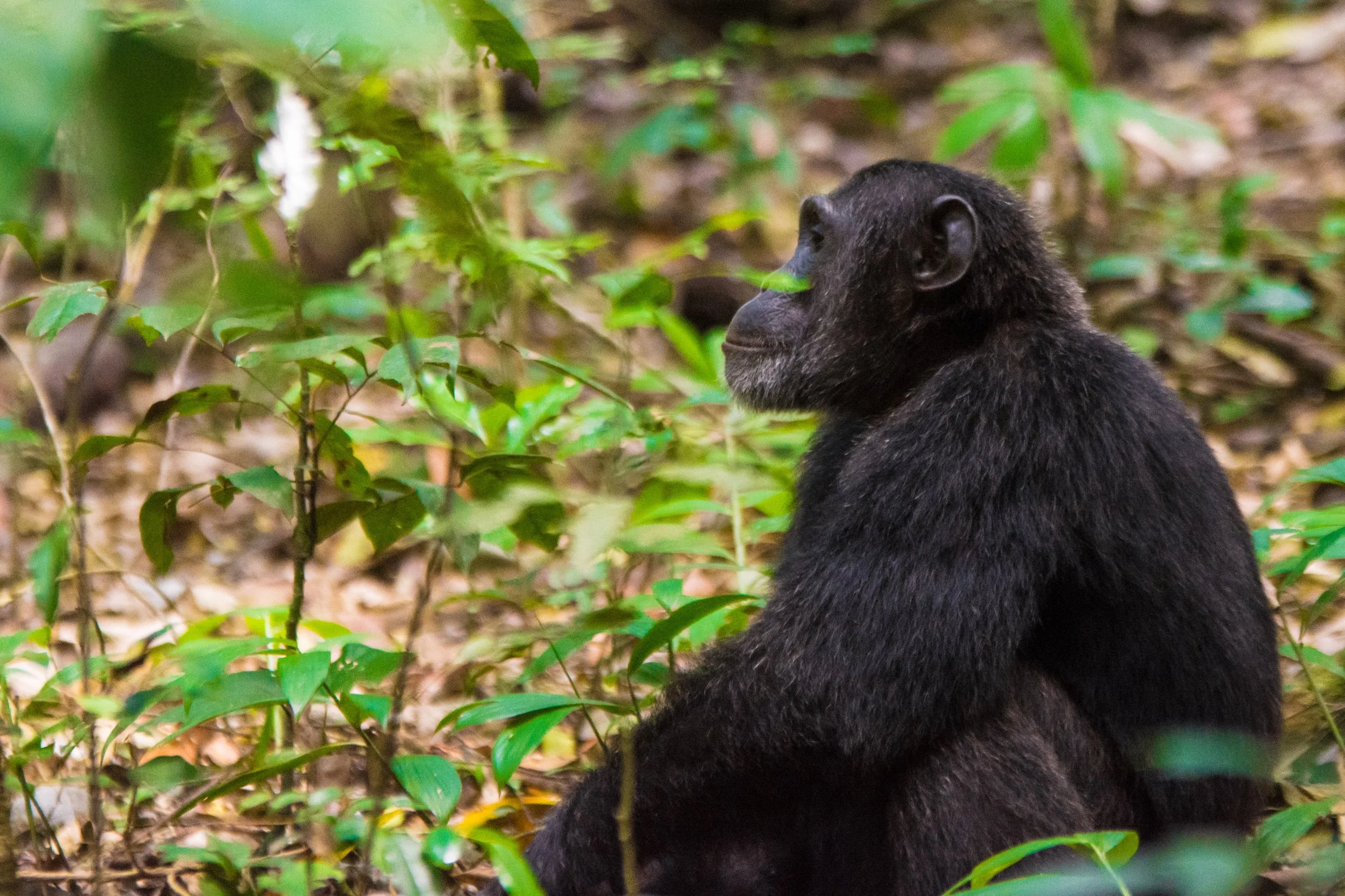
Uganda is one of the best places in East Africa to see chimpanzees in the wild. Kibale Forest National Park, known as the primate capital of Africa, is home to over 1,000 chimps. The forest also hosts red colobus monkeys, blue monkeys, olive baboons, and grey-cheeked mangabeys.
The Experience: Chimp treks are shorter than gorilla treks, often involving a few hours in the forest with high chances of seeing chimps and other primates. The energetic, vocal nature of chimpanzees makes the experience lively and dynamic compared to the more sedate gorilla encounter.
Where to Track Chimps:
Kibale National Park (primary destination)
Queen Elizabeth National Park (Kyambura Gorge)
Budongo Forest (near Murchison Falls)
The Big Five Safari
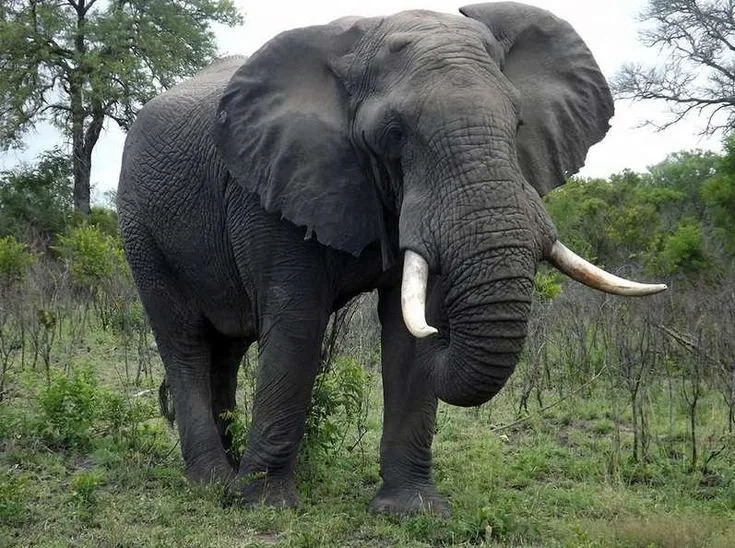
Uganda is one of the few African countries where you can see all members of the Big Five: lion, leopard, elephant, buffalo, and rhino. The experience is less crowded and often more affordable than Kenya or Tanzania.
Lions – Tree-Climbing Royals
Queen Elizabeth National Park’s Ishasha sector is world-famous for tree-climbing lions, a rare phenomenon found in only a few places globally. Lions lounge on fig tree branches, often resting during the hottest parts of the day. Murchison Falls and Kidepo Valley also support healthy lion populations.
Elephants – The Gentle Giants
Murchison Falls National Park offers spectacular sightings of elephants bathing and playing near the Nile River. Queen Elizabeth and Kidepo also host large elephant herds.
African Buffalo – Powerful and Plentiful
Large buffalo herds roam Murchison Falls, Queen Elizabeth, and Kidepo. Lake Mburo offers smaller, more solitary groups.
Leopards – Elusive and Elegant
Leopards are most commonly seen in Murchison Falls, particularly near Pakuba Lodge and the Nyamsika Cliffs. Lake Mburo is one of the best places for night game drives, which increases the chance of nocturnal sightings.
Rhinos – The Comeback Kings
Rhinos once roamed Uganda’s wild parks but were driven to extinction by poaching in the 1980s. Today, Ziwa Rhino Sanctuary, en route to Murchison Falls, is the only place in Uganda to see white rhinos in the wild. Unique to this experience, visitors track rhinos on foot with expert rangers.
Boat Safaris
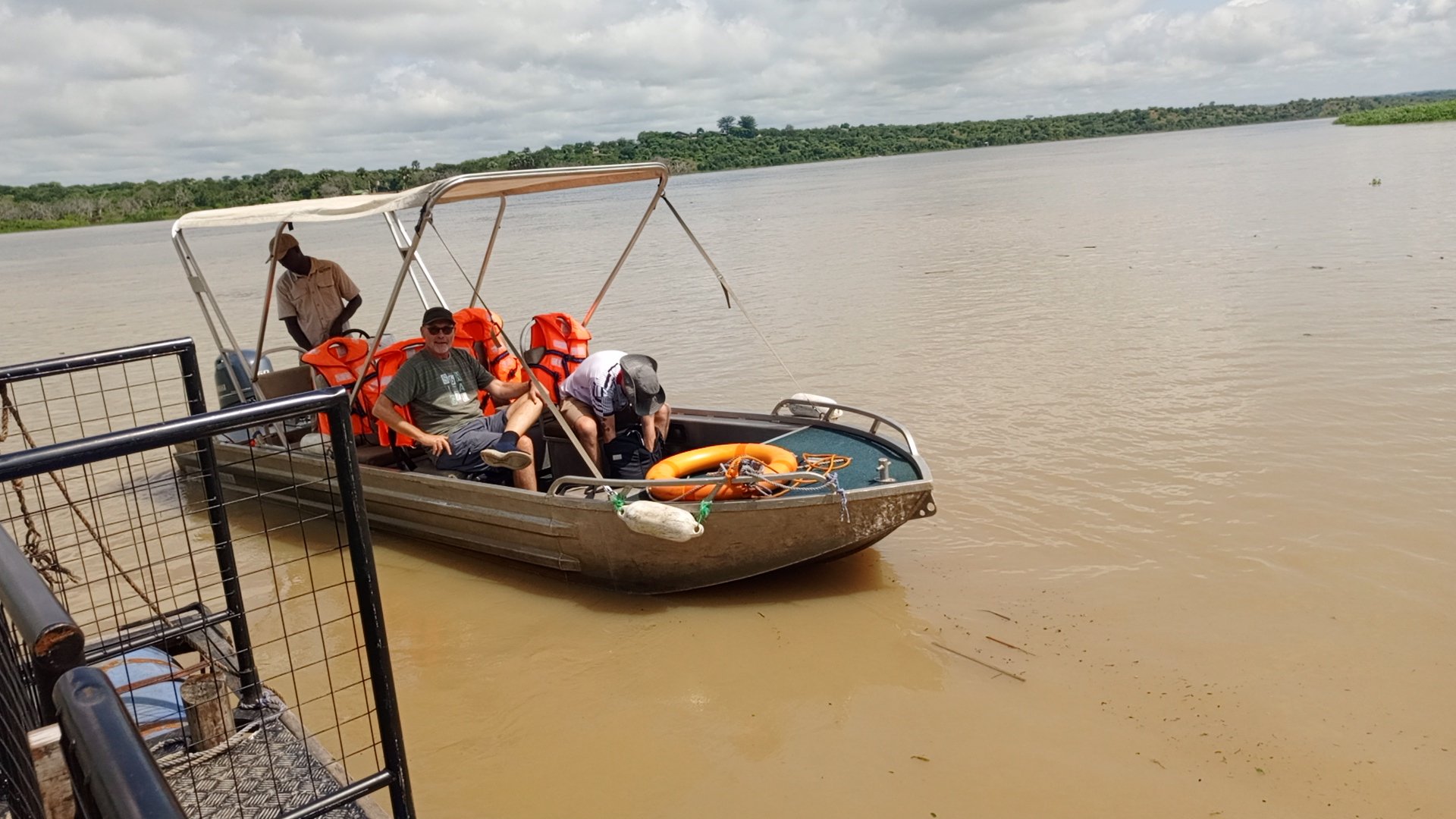
Uganda wildlife safaris are not limited to land. Boat cruises are essential, especially in Murchison Falls and Queen Elizabeth National Park.
Murchison Falls: Boat safaris along the River Nile reveal large pods of hippos, basking crocodiles, elephants drinking at the water’s edge, and a wide range of birds. The cruise culminates near the base of the powerful waterfall, where the Nile squeezes through a narrow gorge before crashing down.
Kazinga Channel: In Queen Elizabeth National Park, the Kazinga Channel boat cruise offers one of the highest concentrations of hippos in Africa. The close proximity to wildlife provides excellent photography opportunities.
Bird Watching
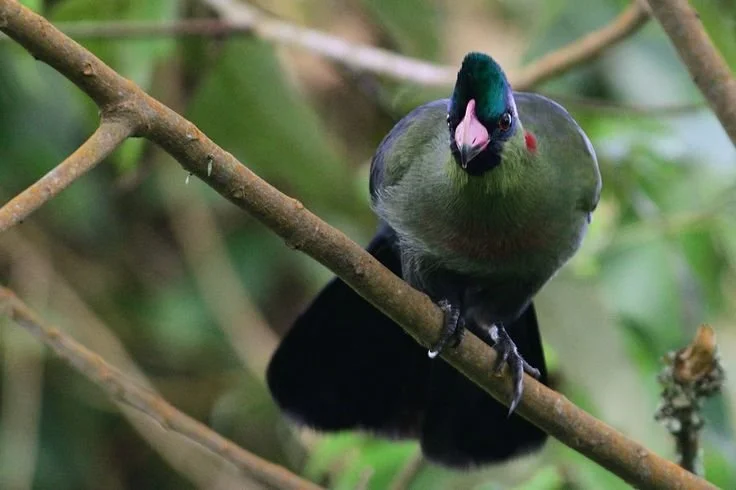
Uganda is a birding paradise with over 1,000 recorded species. The crowning glory is the shoebill stork, a prehistoric-looking bird found in papyrus swamps. Other sought-after species include the handsome francolin, dwarf honeyguide, purple-breasted sunbird, and 22 of the 36 known Albertine Rift endemics.
Uganda’s National Parks: A Comparison
| Park | Best For | Key Species | Experience |
|---|---|---|---|
| Bwindi Impenetrable National Park | Gorilla trekking | Mountain gorillas (459) | UNESCO World Heritage Site, ancient rainforest, and one unforgettable hour with mountain gorillas. |
| Kibale Forest National Park | Chimpanzee tracking | Chimpanzees, red colobus, and 13 primate species | Known as the "Primate Capital of Africa" with energetic chimp tracking. |
| Queen Elizabeth National Park | Tree-climbing lions and diverse ecosystems | Lions, elephants, hippos, chimpanzees | Ishasha tree-climbing lions and the renowned Kazinga Channel boat safari. |
| Murchison Falls National Park | Big game and boat cruises | Elephants, giraffes, lions, hippos | Nile boat cruise and visit to the top of the spectacular Murchison Falls. |
| Kidepo Valley National Park | Remote savannah and solitude | Lions, cheetahs, giraffes, ostriches | Uganda's most remote national park, offering exceptional wildlife viewing with very few visitors. |
| Mgahinga Gorilla National Park | Less-crowded gorilla trekking | Mountain gorillas, golden monkeys | Volcanic scenery combined with gorilla trekking and Batwa cultural experiences. |
| Lake Mburo National Park | Walking safaris and night drives | Zebras, impalas, leopards | Compact park offering horse riding, guided walking safaris, and night game drives. |
| Ziwa Rhino Sanctuary | Rhino tracking | White rhinos (30+) | Guided on-foot rhino tracking, often combined with travel to or from Murchison Falls National Park. |
Bwindi is a UNESCO World Heritage Site and one of the oldest rainforests on Earth, dating back over 25,000 years. The park is also an Important Bird Area with 347 documented species, including 23 endemic to the Albertine Rift. Beyond gorillas, the forest is home to 120 mammal species and over 200 tree species.
For a complete Big Five safari, combine Ziwa Rhino Sanctuary (rhinos), Murchison Falls (lions, leopards, elephants, and buffalo), and Queen Elizabeth National Park (tree-climbing lions). This loop offers balanced wildlife viewing and landscapes.
Best Time for Wildlife Viewing
Uganda is accessible year-round, but seasonal planning matters for trekking and safari conditions.
| Season | Period | Pros | Cons |
|---|---|---|---|
| Dry Season | June–August, December–February | Trails are firm, roads are passable, wildlife gathers near water sources, and game viewing is at its best. | Most popular travel period, higher accommodation rates, and permits should be booked well in advance. |
| Wet Season | March–May, September–November | Lush green landscapes, peak birdwatching season, lower travel costs, and fewer visitors. | Muddy trails, occasional road access limitations, and unpredictable rainfall. |
The dry seasons are ideal for gorilla and chimpanzee trekking. Trails are easier, and wildlife is more visible. For birdwatchers, the wet seasons bring migratory species, and forests and wetlands are alive with activity.
Month-by-Month Summary:
January-February: Peak dry season, excellent wildlife viewing, book early
March-May: Heavy rains, lush landscapes, great birding, and challenging roads
June-August: The best time for gorilla trekking, reliable conditions
September-November: Short rains, good birding, fewer crowds
December: Dry season begins, popular for holiday travel
Planning Your Safari: Practical Information
Gorilla Permits
Cost: $800 for foreign non-residents
Booking: Secure 3-6 months in advance for peak season
Group Size: Maximum 8 visitors per gorilla family per day
Age Limit: Minimum 15 years
Safari Duration
For a well-rounded Uganda wildlife safari, experts recommend tracking gorillas twice, as the first experience is often overwhelming. After gorilla trekking, visitors usually follow a safari circuit including Kibale, Queen Elizabeth National Park, and Murchison Falls. Average stays range between 4 and 10 days.
What to Pack
Sturdy hiking boots
Lightweight waterproof jacket
Long trousers for bush and forest walks
Insect repellent and sun protection
Binoculars and camera with zoom lens
Neutral-coloured clothing (greens, khakis, browns)
Health & Safety
Yellow fever vaccination is required for entry.
Malaria prophylaxis is recommended.
Follow guide instructions on wildlife treks
Book through licensed tour operators
People Also Ask About Ugandan Wildlife
Q: What wildlife can I see in Uganda?
A: Uganda offers extraordinary diversity: mountain gorillas (nearly half of the world's population), chimpanzees, tree-climbing lions, elephants, buffalo, leopards, hippos, and over 1,000 bird species, including the shoebill stork.
Q: Is Uganda good for a Big Five safari?
A: Yes, Uganda is one of the few African countries where you can see all Big Five members: lions, leopards, elephants, buffalo, and rhinos. Rhino sightings occur exclusively at Ziwa Rhino Sanctuary.
Q: What is the best park for gorilla trekking?
A: Bwindi Impenetrable National Park is the premier destination, home to 459 mountain gorillas. Mgahinga Gorilla National Park offers a smaller, less crowded alternative.
Q: Can I see tree-climbing lions in Uganda?
A: Yes. The Ishasha sector of Queen Elizabeth National Park is famous for lions that lounge in fig tree branches.
Q: Is Uganda safe for wildlife safaris?
A: Yes. Uganda has well-regulated safari infrastructure, and experienced guides ensure safe wildlife encounters. Follow guide instructions and use licensed operators.
Start Your Uganda Wildlife Safari
Uganda delivers one of Africa’s most diverse and intimate safari experiences. From the mountain gorillas of Bwindi to the tree-climbing lions of Queen Elizabeth, from the chimpanzees of Kibale to the shoebill storks of Mabamba Swamp, every park offers a distinct wildlife encounter.
Kwezi Adventures designs custom wildlife safaris across Uganda’s national parks. We handle permits, accommodation, transport, and expert guiding. Your journey into the Pearl of Africa’s wilderness starts here.
Ready to explore Uganda’s wildlife?
Contact Kwezi Adventures today. Tell us your interests, travel dates, and group size. We will create a safari that brings you face to face with Uganda’s extraordinary wildlife.
