
What Are the Requirements for a Gorilla Trekking Permit?
Start Your Gorilla Trekking Journey
Kwezi Adventures handles your gorilla permit booking and safari logistics. Check permit availability for your travel dates →
Introduction
A gorilla trekking permit is your entry ticket to one of the world's most extraordinary wildlife experiences. Without it, you cannot enter Bwindi Impenetrable National Park or Mgahinga Gorilla National Park to see the mountain gorillas. The permit system exists to protect the gorillas, limit human impact, and fund conservation work that keeps these endangered primates safe.
The Uganda Wildlife Authority (UWA) issues all gorilla permits and strictly regulates the number of visitors allowed each day. Only eight people can visit a single gorilla family per day. This limit means permits are in high demand and often sell out months in advance.
This guide covers every requirement for obtaining a gorilla trekking permit in Uganda. We explain costs, eligibility, booking steps, health rules, and what to do once you secure your permit. The information comes from official UWA sources and verified tour operators.
What Is a Gorilla Trekking Permit?
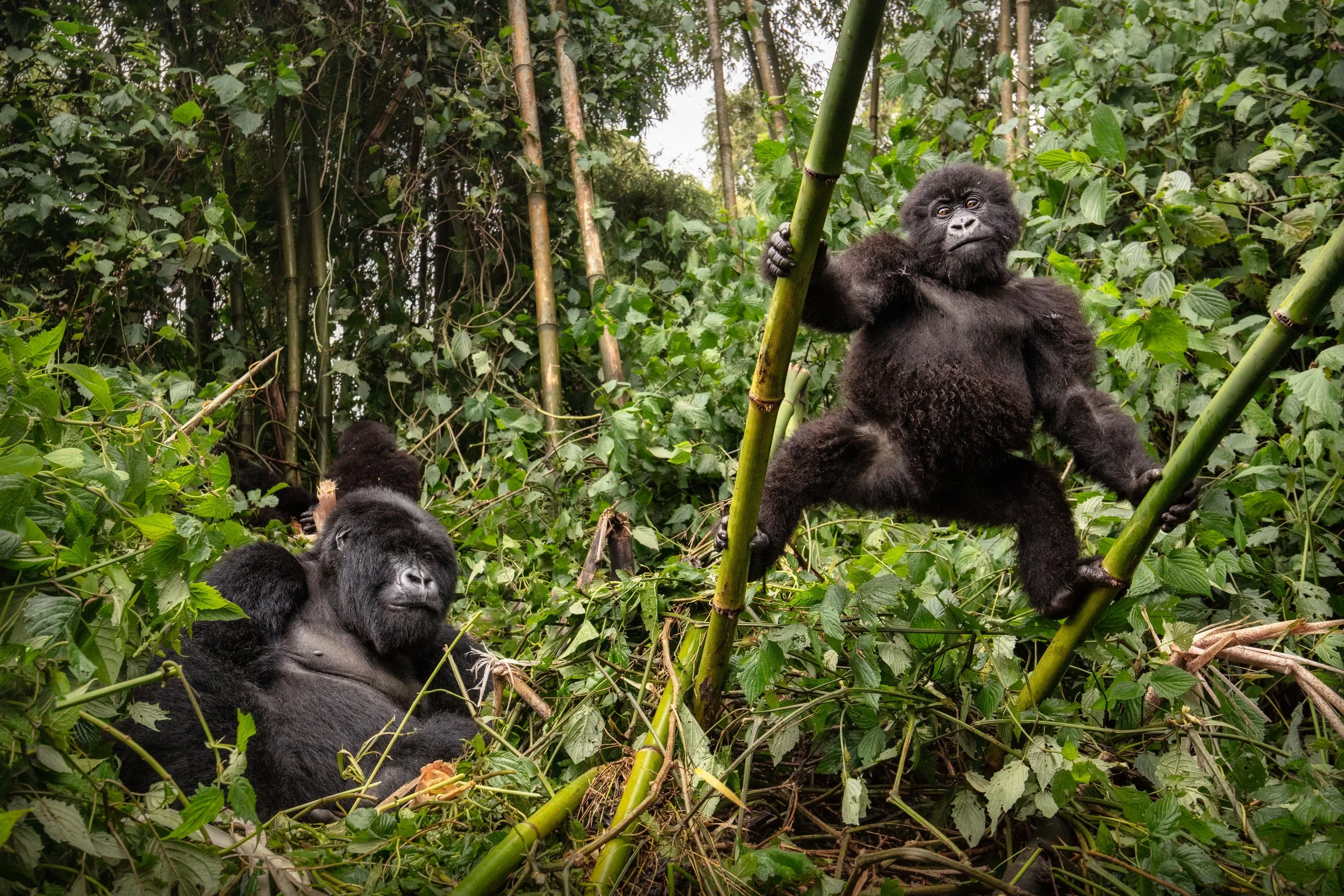
A gorilla trekking permit is an official document issued by the Uganda Wildlife Authority that grants you permission to track and spend one hour with a habituated mountain gorilla family. Each permit is tied to a specific date, park, and trekking sector.
Permits are not just tickets. They fund essential conservation work. Revenue from permit fees supports ranger salaries, anti-poaching patrols, habitat protection, and community projects that encourage locals to protect gorillas rather than threaten them.
Standard Gorilla Trekking Permit
This is the most common permit type. It allows one hour with a habituated gorilla family after completing the trek through the forest. The current cost is $800 per person for foreign non-residents.
Gorilla Habituation Experience
Uganda also offers a more immersive option. The habituation experience allows up to four hours with a gorilla family that is still undergoing the habituation process (being trained to tolerate human presence). This experience is available only in Bwindi's Rushaga and Nkuringo sectors. The cost is $1,800 per person.
Gorilla Trekking Permit Costs 2026
The following fees are current as of 2026. Permits purchased directly from UWA or through a licensed tour operator cost the same amount.
Standard Gorilla Trekking Permit
| Visitor Category | Cost |
|---|---|
| Foreign Non-Residents | USD 800 |
| Foreign Residents | USD 700 |
| East African Citizens | UGX 300,000 (approx. USD 80) |
Gorilla Habituation Experience (4 Hours)
| Visitor Category | Cost |
|---|---|
| Foreign Non-Residents | USD 1,800 |
| Foreign Residents | USD 1,600 |
| East African Citizens | UGX 750,000 |
What the Permit Includes
Your gorilla permit covers the following:
Entry to the national park
Guided trek with rangers and trackers
One hour with the gorilla family (or four hours for habituation)
Park monitoring fees
Security and conservation fees
What the Permit Does Not Include
Transport to the park
Accommodation
Meals
Porter hire
Tips for guides and trackers
Eligibility Requirements
Minimum Age
The minimum age for gorilla trekking in Uganda is strictly 15 years. This rule is enforced in both Bwindi and Mgahinga. The age limit exists because younger children may struggle with the physical demands of the trek, find it difficult to follow safety protocols, or disturb the gorillas with sudden movements. Age verification is required, so bring identification or a passport copy.
Physical Fitness
Gorilla trekking demands moderate-to-high physical fitness. Treks can last anywhere from one to eight hours depending on the gorillas' location. You will walk through dense tropical rainforest on steep, muddy, and uneven terrain at altitudes ranging from 2,400 to 4,000 meters above sea level.
You should be capable of:
Walking continuously for several hours
Navigating slippery slopes
Crossing streams and muddy sections
Pushing through thick vegetation
Pre-trek conditioning through regular hiking, cardio exercises, and leg strengthening is recommended. Those with heart conditions, respiratory problems, or mobility issues should consult a medical professional before booking. The UWA may offer shorter, less strenuous treks for older visitors or those with limited mobility, subject to availability.
Health Standards
You must be free of any contagious illness. Mountain gorillas share approximately 98% of their DNA with humans and are highly susceptible to human diseases. Anyone with symptoms of a cold, flu, cough, stomach ailments, or other infections will not be permitted to trek, regardless of the permit cost.
If you are unwell on the day of your trek, you must inform your guide. No refunds are given for missed treks due to illness, but the UWA may allow permit transfers depending on availability.
Since the COVID-19 pandemic, wearing a face mask in the presence of gorillas has become mandatory. Masks must cover both nose and mouth throughout the time spent with the gorilla family. Hand sanitizing is required before entering the forest and before approaching the gorillas.
Booking Requirements
How Far in Advance to Book
Permits sell out quickly. Booking windows depend on the season:
| Season | Months | Recommended Booking Window |
|---|---|---|
| Peak Season | June–September, December–February | 3–6 months in advance |
| Shoulder Season | March, October–November | 2–3 months in advance |
| Low Season | April–May | 1–3 months in advance |
Where to Book
Option 1: Through a Licensed Tour Operator (Recommended)
Most travelers book through a licensed Ugandan tour operator. This is the easiest and most reliable method. Tour operators handle the entire process: checking permit availability, securing your slot, coordinating accommodation near the correct trekking sector, and arranging transport.
Operators often have direct access to UWA's permit database and can check availability in real time. They also ensure you are booked into a lodge near the correct trailhead, a critical factor, as Bwindi has four different trekking sectors that are not close to each other.
Option 2: Directly from the Uganda Wildlife Authority (UWA)
You can contact UWA directly through their offices in Kampala or via email. Direct booking is possible but slower and requires in-country coordination. The UWA website does not have an online payment gateway, so you would need to make a bank transfer.
Always choose a UTB-licensed tour operator. This is a Ugandan government policy for gorilla permit bookings.
Information Required for Booking
When booking your permit, you must provide:
Full name exactly as it appears on your passport
Passport number
Nationality
Preferred trekking date
Preferred park/sector (Buhoma, Ruhija, Rushaga, or Nkuringo in Bwindi; or Mgahinga)
Once booked, you will receive a confirmation number that acts as your permit.
Passport and Visa Requirements
Your passport must be valid for at least six months from your planned entry date into Uganda. Most international visitors require a visa to enter Uganda. The standard tourist visa costs approximately $50 and can be obtained online through Uganda's e-visa system. Visas are typically processed within three to five business days.
If you plan to visit multiple East African countries, consider the East African Tourist Visa ($100), which covers Uganda, Kenya, and Rwanda for up to 90 days.
Important Rules to Know
Group Size
A maximum of eight visitors are allowed per gorilla family per day. This limit minimizes stress on the gorillas and preserves their natural behavior.
Distance from Gorillas
Visitors must maintain a distance of at least seven meters (approximately 22 feet) from the gorillas at all times. While gorillas may occasionally approach closer (they are wild and curious), visitors must never initiate closer contact. If you need to cough or sneeze, turn away from the gorillas and cover your face.
Facemasks
Wearing face masks when in the presence of gorillas is mandatory. Masks must be worn properly, covering both nose and mouth, throughout the time spent with the gorilla family. Some parks provide masks, but it is wise to bring your own.
Behavioral Rules
Stay together in a tight group while with the gorillas; do not surround them.
Avoid making loud noises or moving suddenly.
Assume a crouched position while observing them.
It is not permitted to eat, drink, or smoke when with the gorillas or within 200 meters of them.
Flash photography is prohibited.
Do not make direct eye contact with the gorillas.
Cancellation and Refund Policy
Gorilla permits are non-refundable and non-transferable. They are tied to specific dates and sectors. Date changes may be possible under limited circumstances and subject to availability, but this is not guaranteed.
What to Expect on Trekking Day
The Morning Briefing
Most treks begin early. You arrive at the park headquarters around 7:00 AM for a briefing from UWA rangers. The briefing covers trekking rules, safety, and what to do when near the gorillas. You are divided into small groups of up to eight people, each assigned to a specific gorilla family.
The Trek
The duration depends on where the gorilla family has moved overnight. It can take from 30 minutes to more than four hours to find them. The terrain is steep and uneven, with dense vegetation, mud, and occasional rain. Rangers use radios and trackers to locate the gorillas, cutting paths through the undergrowth when necessary.
Porters are available to carry backpacks for an additional fee (approximately $15 to $20). Hiring a porter supports local communities and is worth the cost if you have a heavy pack or want support on steep terrain.
The Gorilla Encounter
When the gorillas are located, you leave your bags and walking sticks a short distance away before approaching quietly. Each group is allowed a maximum of one hour with the gorillas. During this time, you can observe the family's behavior: feeding, grooming, playing, and interacting. Guides often provide detailed commentary about the gorilla family's history and habits.
Returning to Base
After the viewing period, the group retraces its route back to the starting point. Back at the headquarters, visitors receive certificates confirming they completed the trek.
People Also Ask About Gorilla Trekking Permit Requirements
Q: What is the minimum age for gorilla trekking in Uganda?
A: The minimum age is strictly 15 years in both Bwindi and Mgahinga. Age verification is required, so bring identification.
Q: How much does a gorilla trekking permit cost in Uganda?
A: For foreign non-residents, the standard permit costs $800. Foreign residents pay $700, and East African citizens pay UGX 300,000. The gorilla habituation experience costs $1,800.
Q: How far in advance should I book a gorilla permit?
A: For peak season (June–September, December–February), book 3 to 6 months in advance. For shoulder season, book 2 to 3 months ahead. For low season, book 1 to 3 months ahead.
Q: Can I book a gorilla permit directly with UWA?
A: Yes. You can contact the Uganda Wildlife Authority directly through their office in Kampala. However, direct booking is slower and requires in-country coordination. Booking through a licensed tour operator is easier and more reliable.
Q: Are gorilla permits refundable?
A: No. Gorilla permits are nonrefundable and non-transferable. Date changes may be possible under limited circumstances but are not guaranteed.
Q: What happens if I'm ill on the day of my trek?
A: Anyone with symptoms of a contagious illness (cold, flu, cough, or stomach ailments) will not be permitted to trek, as gorillas are highly susceptible to human diseases. No refunds are given for missed treks due to illness.
Q: Can I trek gorillas if I have a physical disability?
A: Gorilla trekking demands moderate to high physical fitness. The UWA may offer shorter, less strenuous treks for older visitors or those with limited mobility, subject to availability. Discuss your mobility concerns with your tour operator before booking.
Q: How many people can visit a gorilla family per day?
A: A maximum of eight visitors are allowed per gorilla family per day. This limit protects the gorillas from stress and excessive human contact.
Q: Do I need a face mask for gorilla trekking?
A: Yes. Wearing a face mask in the presence of gorillas is mandatory. Masks must cover both nose and mouth throughout your time with the gorilla family.
Q: What documents do I need to book a gorilla permit?
A: You need your full name as it appears on your passport, passport number, nationality, preferred trekking date, and preferred park/sector.
Q: What is the difference between a standard permit and the habituation experience?
A: The standard permit allows one hour with a fully habituated gorilla family and costs $800. The habituation experience allows up to four hours with a semi-habituated family and costs $1,800. It is available only in Bwindi's Rushaga and Nkuringo sectors.
Q: What should I wear for gorilla trekking?
A: Wear long trousers, long-sleeved shirts, sturdy hiking boots, waterproof jackets, and gardening gloves for handling vegetation. Gaiters and a light rain jacket are also recommended.
Start Planning Your Gorilla Trekking Adventure.
Securing a gorilla trekking permit is the most important step in planning your Uganda safari. Permits are limited, non-refundable, and sell out months in advance. Understanding the requirements, cost, eligibility, booking windows, and health rules ensures a smooth, successful experience.
Kwezi Adventures handles your permit booking and safari logistics from start to finish. We check availability, secure your permit, coordinate accommodation near the correct trekking sector, and arrange transport. Our goal is to make the process seamless so you can focus on the once-in-a-lifetime experience ahead.
Ready to secure your gorilla permit?
Contact Kwezi Adventures today. Tell us your preferred travel dates and group size. We will check availability and handle every step. Your gorilla trekking adventure starts here.
