
Tsavo East and Tsavo West National Parks Kenya
Start Planning Your Tsavo Safari
Kwezi Adventures designs private safaris across Kenya’s largest wilderness area. Tell us your travel dates →
Introduction
Tsavo is not one park but two. Tsavo East and Tsavo West National Parks together form the largest protected area in Kenya, covering approximately 21,000 square kilometres. The Nairobi-to-Mombasa highway and railway line split the ecosystem into two distinct halves. Each side offers a different experience of the same raw wilderness.
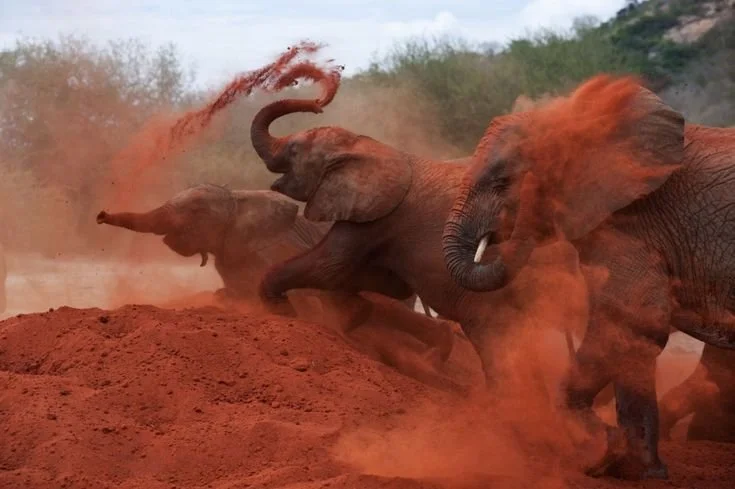
What makes Tsavo different from other Kenyan parks is its scale. You can drive for hours without seeing another vehicle. The animals are wilder here than in the more crowded reserves. The elephants are famous for their red colour, caused by dusting themselves with the region’s iron-rich soil. The landscape ranges from endless plains to volcanic craters, from crystal-clear springs to ancient lava flows.
This guide covers both parks in detail. We include 2026 entry fees, month-by-month wildlife predictions, accommodation recommendations, and a frank comparison of Tsavo East versus Tsavo West. The information comes from direct experience and verified official sources.
Tsavo East and Tsavo West National Parks 2026 Entry Fees
The Kenya Wildlife Service manages both Tsavo East and Tsavo West National Parks under a single fee structure.
| Visitor Category | Adult Fee (USD) | Child Fee (USD) |
|---|---|---|
| Non Resident (International Visitor) | $80 | $20 |
| Kenyan Citizen / EAC Resident | KES 500 | KES 200 |
| Other African Citizens (non EAC) | $60 | $20 |
These fees are per person per 24 hours. They cover entry to either park but not both. If you wish to visit both Tsavo East and Tsavo West on the same day, you must pay separate entry fees for each park.
Fees are paid at the gate or online through the Kenya Wildlife Service payment portal. Credit cards are accepted at the main gates. Cash payments in US dollars or Kenyan shillings are also accepted. US dollar bills must be printed in 2013 or later and be in pristine condition.
Kwezi Fee Note: The fees listed above are confirmed for 2026. We include all park fees in your quoted safari package. No surprise charges will appear after booking.
Tsavo East or Tsavo West. Which Park Should You Choose?
This is the question every traveller asks. The answer depends on what you want from your safari.
Choose Tsavo East If
You want classic open savannah landscapes. Tsavo East features sweeping plains, scattered acacia trees, and long horizons that create an untamed African atmosphere. The visibility is excellent because the vegetation is sparse. You can spot animals from far away.
You want to see large elephant herds coated in red dust. Tsavo East is famous for its elephants. The red soil of the park gives it a distinctive reddish colour that photographs beautifully.
You prefer easier game viewing. The open terrain means animals cannot hide easily. Your chances of seeing lions, cheetahs, buffalo, and giraffes are consistently high.
You are passing between Nairobi and Mombasa. Tsavo East lies directly along the main highway. It makes an excellent stopover for travellers breaking up the journey.
Choose Tsavo West if
You value diverse landscapes. Tsavo West offers volcanic hills, ancient lava flows, dense riverine forests, and rolling green hills. The scenery changes constantly, keeping every drive interesting.
You want to visit Mzima Springs. This crystal-clear oasis is the park’s signature attraction. The underwater viewing chamber allows you to watch hippos and crocodiles swimming beneath the surface.
You seek a more exclusive experience. The varied terrain means fewer vehicles. Tsavo West receives fewer visitors than the eastern section.
You want night game drives. Unlike Tsavo East, Tsavo West permits guided night drives, offering chances to see nocturnal animals.
The Honest Answer
Both parks are worth visiting. The standard Tsavo safari is three to four days covering both sections. You enter through Tsavo East, spend two days exploring the open plains, cross the highway, and spend two days in Tsavo West exploring the springs and volcanic landscapes. This combined itinerary gives you the complete Tsavo experience.
Kwezi Recommendation: If you have only two days, choose Tsavo East for reliable elephant viewing. If you have three or more days, visit both parks. Contact us for a custom Tsavo itinerary →
Tsavo East National Park
Landscape and Scenery
Tsavo East is defined by its openness. The terrain consists of flat, semi-arid plains covered in red soil, acacia woodlands, and scattered baobab trees. The horizon stretches endlessly in every direction. This is the Africa of classic safari films.
The Yatta Plateau runs through the park. At 290 kilometres, it is one of the world’s longest lava flows. The plateau rises from the plains like a wall, providing a dramatic backdrop for wildlife photography.
The Galana River cuts across the northern section of the park. During the dry season, animals concentrate along its banks. The river’s palm-fringed banks create a ribbon of green across the brown landscape.
Aruba Dam, built in the 1950s, created a permanent water source in the eastern section. The dam attracts dense wildlife populations, making it a reliable viewing spot year-round.
Wildlife Viewing
Tsavo East is best known for its elephants. The park holds some of the largest elephant herds in Kenya. The animals dust themselves with the red soil, giving their skin a reddish-brown colour that distinguishes them from elephants elsewhere.
The open terrain makes wildlife spotting exceptionally easy. Lions are commonly seen resting in the shade of acacia trees or hunting on the open plains. Cheetahs use the flat ground to run down gazelles and impalas. Leopards are present but more elusive, best spotted in the riverine areas.
The park supports a full range of savanna wildlife. Buffalo herds number in the hundreds. Giraffes browse the acacia trees. Zebras, hartebeests, and lesser kudus are common. Over 500 bird species have been recorded in the Tsavo ecosystem.
Best Locations for Wildlife Viewing
The Voi River area supports dense wildlife populations, particularly during the dry season when water becomes scarce elsewhere. The Lugard Falls area on the Galana River offers dramatic scenery and crocodile sightings. Aruba Dam provides reliable elephant and buffalo viewing year-round.
Best Time to Visit Tsavo East
The dry season from June to October offers the best wildlife viewing. Animals gather around permanent water sources. The vegetation is sparse. The red dust adds character to photographs.
January and February provide a second dry window. The weather is pleasant. The crowds are smaller than in the mid-year peak.
The wet season from November to May brings lush vegetation. The park turns green. Migratory birds arrive. The main disadvantage is reduced visibility. Animals disperse across the park and are harder to find.
Tsavo West National Park
Landscape and Scenery
Tsavo West offers a complete contrast to its eastern neighbour. The terrain is varied and dramatic. Volcanic cones rise from the plains. Ancient lava flows create black rock fields that look like another planet. Rolling hills and dense riverine forests provide shelter for wildlife.
The park’s higher elevation and varied topography create greener conditions than Tsavo East. The vegetation is thicker. The scenery changes constantly as you drive.
The Chyulu Hills form the western boundary of the park. These green volcanic hills offer panoramic views of the Tsavo plains and, on clear days, Mount Kilimanjaro.
The Shetani Lava Flow is a black volcanic rock field created by an eruption within the last 500 years. The name means “devil” in Swahili, referring to the local belief that the lava was the work of evil spirits. A short walk across the lava field reveals the stark beauty of this geological formation.
Mzima Springs
Mzima Springs is the crown jewel of Tsavo West. Over 50 million gallons of fresh water bubble up from underground sources every day, filtered through volcanic rock from the Chyulu Hills. The water is crystal clear.
The springs support a lush oasis in the middle of the dry savannah. Large fig trees shade the paths. Palm fronds rustle in the breeze. Hippos and crocodiles live in the pools, visible through an underwater observation chamber built in the 1960s.
The chamber is a glass-sided room sunk into the pool. You walk downstairs into the chamber and watch hippos swimming directly overhead. The experience is unique in Kenya. No other park offers underwater hippo viewing.
A nature trail loops through the forest around the springs, offering information about the ecosystem, viewing stations, and picnic areas.
Wildlife Viewing
Tsavo West supports the same wildlife species as Tsavo East, but the viewing experience differs. The thicker vegetation makes spotting animals harder. You must work for your sightings. This challenge appeals to experienced safari travellers who enjoy the unpredictability.
The park is one of the best places in Kenya to see black rhinos. The Ngulia Rhino Sanctuary, a fenced area within the park, protects a breeding population. Rhino sightings are not guaranteed, but are more likely here than anywhere else outside Ol Pejeta.
Elephants are present but less numerous than in Tsavo East. Lions hunt in the thicker bush. Leopards are occasionally seen along the riverine areas.
Best Locations for Wildlife Viewing
Mzima Springs attracts hippos, crocodiles, and birds. The surrounding forest supports elephants and buffalo. The Ngulia Rhino Sanctuary offers the best chance for black rhino sightings. The Chyulu Hills area provides scenic game drives with potential for lion and elephant sightings.
Best Time to Visit Tsavo West
The dry season from June to October offers the best wildlife viewing. The vegetation is less dense. Animals gather around the permanent springs.
January and February provide good conditions with fewer visitors.
The wet season from November to May makes the park exceptionally green and beautiful. Birdwatching is at its peak. Wildlife viewing requires more patience because animals disperse and the thick vegetation provides cover.
Tsavo East and Tsavo West National Parks Safari Activities
Game Drives
Game driving is the main activity in both parks. Most lodges offer two drives per day: one starting at dawn and another in the late afternoon, continuing into sunset.
In Tsavo East, the open terrain allows for long, sweeping drives. You can cover large distances and see animals from far away. In Tsavo West, the varied terrain makes drives more intimate. You never know what you will find around the next corner.
Night Game Drives
Night drives are permitted only in Tsavo West and the private conservancies bordering the parks. Using spotlights, you search for nocturnal animals: leopards hunting, genets climbing trees, bush babies leaping between branches, and perhaps an aardvark or porcupine.
Night drives typically depart from the lodge after dinner and last two to three hours. The cost for a night drive usually ranges from $50 to $90 per person, depending on the lodge and duration. Most lodges set a minimum age of 12 years for night drives, but some may accept children as young as 8 if accompanied by an adult. These drives require an additional fee and must be arranged in advance.
Mzima Springs Visit
The Mzima Springs visit is a self-guided walk through the forest and along the pools. The underwater observation chamber is the highlight. Allow one to two hours for the complete experience.
Walking Safaris
Guided walking safaris are available in Tsavo West, particularly around the Mzima Springs area and the Chyulu Hills. Armed rangers lead the walks, focusing on tracks, plants, insects, and smaller wildlife. The walks last one to two hours.
Cultural Visits
The Taita people live in the hills surrounding Tsavo West. Cultural visits to Taita villages can be arranged through lodges. You learn about traditional farming, beadwork, and daily life in rural Kenya.
Tsavo East and Tsavo West National Parks Accommodations
Tsavo East
Satao Camp offers tented accommodation on the banks of a seasonal river. The camp is known for its excellent game viewing and reasonable prices.
Voi Safari Lodge sits on a hilltop overlooking the plains. The lodge offers a swimming pool and panoramic views.
Galdessa Camp is a luxury camp on the Galana River, known for its remoteness and exceptional guiding.
Ithumba Camp offers basic accommodation near the northern waterholes, popular with self-drive travellers.
Tsavo West
Kilaguni Serena Safari Lodge was the first lodge built in Tsavo West. It overlooks a waterhole that attracts elephants and buffalo. The lodge offers 56 rooms, a swimming pool, and a restaurant.
Severin Safari Camp offers octagonal tents and suites on a plain teeming with wildlife. Rooms start from $190 per person per night. The camp features a swimming pool, spa, and excellent guiding.
Soroi Lions Bluff Lodge is a luxury eco-lodge perched on an escarpment with panoramic views of Mount Kilimanjaro and the Tsavo plains. The lodge has 12 suites, an infinity pool, and a photographic hide. Rates range from 980 to 1,860 per person per night, depending on the season.
Finch Hattons Luxury Camp offers tented suites with private plunge pools. It is one of the most exclusive properties in Tsavo.
Kwezi Accommodation Note: We partner with all the lodges listed above and can recommend the best fit for your budget and preferences. Let us help you choose accommodation →
Tsavo East and Tsavo West National Parks Location
By Road from Nairobi
The drive from Nairobi to Tsavo East takes approximately five to six hours. The route follows the Mombasa Road southeast, passing through the towns of Athi River, Sultan Hamud, and Mtito Andei. The Voi Gate entrance to Tsavo East is about 330 kilometres from Nairobi.
For Tsavo West, the Mtito Andei Gate is approximately 230 kilometres from Nairobi. The drive takes four to five hours.
Most tour operators include road transport in their package prices. A private 4x4 transfer for two to four passengers ranges from 300 to 500 one way.
By Road from Mombasa
Tsavo East lies directly between Nairobi and Mombasa. The drive from Mombasa to the Voi Gate takes three to four hours, covering approximately 150 kilometres.
Many travellers combine a Tsavo safari with a beach holiday in Mombasa or Diani. The park makes an excellent stopover on the drive between the coast and Nairobi.
By Air
Flights operate from Nairobi’s Wilson Airport to several airstrips in both parks. The flight takes 45 to 60 minutes. Airlines serving Tsavo include Airkenya and Safarilink.
The flight is the most expensive option but saves considerable time. A return flight costs approximately 300 to 500 per person.
By Rail
The Madaraka Express passenger train runs between Nairobi and Mombasa. The train stops at Voi Station, approximately one hour from the Tsavo East gates. From Voi, your safari driver will meet you and transfer you to your lodge.
The train is comfortable and affordable. It adds a uniquely African experience to your journey.
Kwezi Logistics: We arrange all transport types based on your preferences and budget. Discuss transport options with us →
Tsavo East and Tsavo West National Parks Sample Safari Itineraries
3 Day Tsavo East Safari
Day 1: Depart Nairobi early in the morning. Arrive at Tsavo East in time for lunch at your lodge. Afternoon game drive.
Day 2: Full-day game drive covering the Voi River area and Aruba Dam.
Day 3: Early morning game drive. Return to Nairobi, arriving in the afternoon.
This itinerary focuses on the open plains of Tsavo East. It is ideal for travellers with limited time who want reliable elephant viewing.
4 Day Combined Tsavo Safari
Day 1: Depart Nairobi. Afternoon game drive in Tsavo East.
Day 2: Morning game drive in Tsavo East. Afternoon transfer to Tsavo West.
Day 3: Full day in Tsavo West. Morning game drive, afternoon visit to Mzima Springs.
Day 4: Early morning game drive. Return to Nairobi.
This itinerary covers both parks and gives you a complete Tsavo experience.
5 Day Tsavo Safari with Night Drives
Day 1: Depart Nairobi. Afternoon game drive in Tsavo West.
Day 2: Morning game drive. Afternoon visit to Mzima Springs. Night game drive.
Day 3: Morning transfer to Tsavo East. Afternoon game drive.
Day 4: Full-day game drive in Tsavo East.
Day 5: Early morning game drive. Return to Nairobi.
This itinerary adds night drives and allows more time in each park.
Kwezi Customisation: All itineraries are fully customisable. Tell us how many days you have and what you want to prioritise. Request a custom Tsavo itinerary →
Tsavo East and Tsavo West National Parks Packing List for Your Tsavo Safari
Clothing should be neutral-coloured. Greens, khakis, and browns work well. Avoid bright whites, blues, and reds. Safari vehicles are open, so you will be exposed to dust and sun. Long sleeves and long trousers protect your skin.
The dust in Tsavo East is fine and red. It stains clothing and coats everything. Bring clothes you do not mind getting dusty. A rain cover for your camera is essential.
Mornings and evenings are cool, even during the dry season. Bring a fleece or light jacket. The day warms quickly after sunrise.
Footwear should be sturdy, closed-toe shoes. Walking safaris are available in Tsavo West. Hiking boots or trail shoes are suitable.
Photography gear should include a camera with a zoom lens of at least 200mm. The open plains allow for long-distance shots. A 400mm lens is ideal for wildlife portraits. Extra batteries and memory cards are essential because charging opportunities may be limited during full days on safari.
Binoculars are essential for spotting wildlife in the vast landscape.
Sun protection is critical. The equatorial sun burns quickly. Bring high SPF sunscreen, a wide-brimmed hat, and polarised sunglasses.
Insect repellent containing DEET is necessary from dusk onwards. Mosquitos are present year-round, especially near water sources.
A reusable water bottle is useful because most vehicles provide bottled water, and you need to stay hydrated during long game drives. Many lodges and safari vehicles also offer filtered or purified water for refilling your bottle. This makes it easy to avoid single-use plastics and travel more sustainably. Ask your guide or lodge staff where you can refill your bottle during your safari.
Tipping is an expected part of the safari economy. For your guide, 10 to 15 per person per day is standard. For lodge staff, a communal tip of 5 to 10 per person per day is appropriate. Tip in cash, preferably US dollars or Kenyan shillings.
Tsavo East and Tsavo West National Parks Health, Safety, and Practical Information
Yellow fever vaccination is mandatory for entry into Kenya. You must present your yellow fever certificate upon arrival. The vaccination must be administered at least ten days before travel.
Malaria prophylaxis is strongly recommended. Consult your travel doctor before departure. Tsavo has mosquitoes, especially during the wet season. Use mosquito repellent, sleep under the provided nets, and cover your skin from dusk.
Travel insurance that covers medical evacuation is essential. The nearest major hospital is in Nairobi or Mombasa. Medical evacuation insurance provides peace of mind.
Safety during game drives is straightforward. Stay inside the vehicle unless your guide instructs otherwise. Keep your arms and head inside when animals are close. Do not stand up through the roof when predators are near. Speak quietly during sightings. Follow your guide’s instructions without question.
Connectivity in Tsavo varies by lodge. Most lodges offer WiFi in the main areas. Connectivity can be unreliable, especially in Tsavo East. Consider this part of the safari experience rather than a problem.
Electricity for charging devices is available in most accommodations. Some vehicles also offer charging ports. Bring a universal adapter for Kenyan sockets, which use the British standard three-rectangular-pin plug.
Cash is necessary for tips, souvenirs, and any village visits. Credit cards are accepted at lodges and some shops in the parks. US dollars are accepted but must be printed in 2013 or later and be in pristine condition. Kenyan shillings are preferred for small purchases and tips.
The parks do not have banks or ATMs. Bring sufficient cash before arriving.
People Also Ask About Tsavo East and Tsavo West National Parks.
Q: What is the difference between Tsavo East and Tsavo West National Parks?
A: Tsavo East features open savannah plains, red soil, and large elephant herds that are easy to spot. Tsavo West offers diverse landscapes, including volcanic hills, lava flows, and the Mzima Springs with its underwater hippo viewing chamber. Tsavo East is better for classic game viewing. Tsavo West is better for scenery and unique attractions.
Q: What are the 2026 entry fees for Tsavo East and Tsavo West?
A: For non-resident adults, entry fees are 80 per person per 24-hour period [citation 1][citation 6]. Child fees for ages 3 to 17 are 80 per person per 24-hour period. Child fees for ages 3 to 17 are 20. Kenyan citizens and East African residents pay KES 500 for adults and KES 200 for children.
Q: Can I visit both Tsavo East and Tsavo West in one day?
A: You can, but it is not recommended. The parks are separated by the Nairobi-Mombasa highway. You would need to pay separate entry fees for each park. You would spend most of your day driving rather than viewing wildlife. A combined safari of three to four days allows proper time in each park.
Q: Which Tsavo park has the best wildlife viewing?
A: Tsavo East generally offers easier wildlife viewing because the open terrain makes animals more visible. The elephant herds are larger and more reliably seen. Tsavo West offers more varied wildlife, including black rhinos in the Ngulia Sanctuary, but the thicker vegetation makes spotting harder.
Q: What is the best time to visit Tsavo?
A: The dry season from June to October and the short dry season in January and February offer the best wildlife viewing. Animals gather around water sources. The vegetation is sparse. The wet season from November to May brings lush green landscapes and excellent birdwatching, but reduced wildlife visibility.
Q: Can I see the Big Five in Tsavo?
A: Tsavo East is home to four of the Big Five. Elephants, lions, buffalo, and leopards are present. Rhinoceroses are absent from Tsavo East. Tsavo West, through the Ngulia Rhino Sanctuary, offers chances to see black rhinos, completing the Big Five for the park.
Q: What are the red elephants of Tsavo?
A: The red elephants of Tsavo East get their colour from dusting themselves with the region’s red, iron-rich soil. The soil sticks to their skin, giving them a reddish-brown appearance that distinguishes them from elephants elsewhere in Kenya.
Q: Is Tsavo suitable for a family safari?
A: Yes. Both parks welcome families. Many lodges offer family suites and children’s programmes. Soroi Lions Bluff Lodge, for example, has LEGO time, canvas painting, and evening bonfires for children. The minimum age for game drives varies by lodge but is typically 6 to 8 years.
Q: How do I get to Tsavo from Nairobi?
A: You can drive in five to six hours, fly from Wilson Airport in 45 to 60 minutes, or take the Madaraka Express train to Voi Station, followed by a one-hour transfer to the park.
Q: Do I need a visa for Kenya?
A: Most nationalities require an e-visa to be applied for online before travel. The standard tourist visa costs approximately $51 and allows 30 days of travel. Apply well in advance.
Start Planning Your Tsavo Safari
Tsavo East and Tsavo West National Parks offer a raw, untamed safari experience that differs from the more crowded reserves of southern Kenya. The scale is vast. The wildlife is wild. The red elephants and the crystal springs of Mzima are sights you will remember forever.
Kwezi Adventures has been designing custom Tsavo safaris for over a decade. We know the best locations for elephant viewing. We know which lodges offer the most comfortable stays. We know how to time your visit for the best wildlife conditions.
Ready to explore Kenya’s largest wilderness?
Contact Kwezi Adventures today. Tell us your travel dates, your interests, and your preferred accommodation style. We will create a custom itinerary that takes you to the heart of Tsavo. Your encounter with the red elephants and the springs awaits.
