
Amboseli National Park Kenya
Introduction
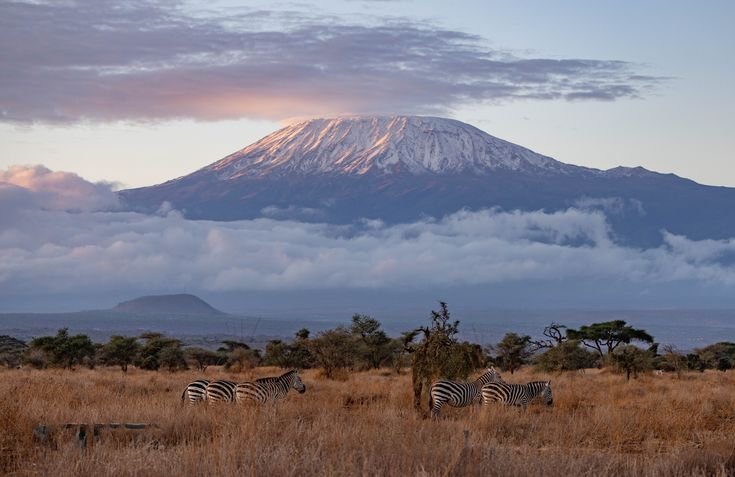
Amboseli National Park sits in southern Kenya, pressed against the Tanzanian border. The park covers 392 square kilometers of open plains, acacia woodlands, and seasonal swamps. But the area that matters to visitors is much smaller than this number suggests. The wildlife concentrates around the permanent wetlands fed by underground streams from Mount Kilimanjaro. This concentration makes Amboseli one of the most reliable wildlife viewing destinations in Africa.
The park’s name comes from the Maasai language. “Amboseli” means “salty dust” or “place of salt." You will understand why when you see the dry lake bed that turns white and cracked during the drought months. The dust clouds that rise behind safari vehicles fill the air with a fine alkaline powder that coats everything.
But the dust is not relevant. What matters is the view. On clear mornings, Mount Kilimanjaro rises from the horizon like a vision. The mountain’s snow-capped peak sits just 40 kilometers south, across the border in Tanzania. The combination of elephants walking through the golden grass with Kilimanjaro behind them creates one of Africa’s iconic images.
This guide covers everything you need for a 2026 visit. We include current entry fees, month-by-month wildlife predictions, accommodation recommendations, and photography tips. The information comes from direct experience and verified official sources.
Amboseli National Park 2026 Entry Fees
On October 1, 2025, the Kenya Wildlife Service implemented a new tariff schedule for all parks. Under this schedule, Amboseli National Park was classified as a premium park alongside Lake Nakuru. However, the Milimani High Court issued temporary orders suspending the new rates pending a full hearing. The old 2024 and 2025 rates continue to apply until the court delivers its ruling.
The following table shows the current applicable fees as of early 2026:
| Visitor Category | Adult | Child (3–17 years) |
|---|---|---|
| Kenyan Citizen / EAC Resident | KES 860 | KES 215 |
| Kenya Resident | KES 860 | KES 215 |
| African Citizen (non EAC) | USD 60 | USD 35 |
| Non Resident (International Visitor) | USD 70 | USD 20 |
If the court lifts the suspension, the following new fees will take effect:
| Visitor Category | Adult | Child (3–17 years) |
|---|---|---|
| Kenyan Citizen / EAC Resident | KES 1,500 | KES 750 |
| Kenya Resident | KES 2,025 | KES 1,050 |
| African Citizen (non EAC) | USD 50 | USD 25 |
| Non Resident (International Visitor) | USD 90 | USD 45 |
For non-resident adults, a confirmed increase from USD 70 to USD 90 has been proposed, representing a 29% rise. This aligns Amboseli with premium park pricing across East Africa.
Kwezi Fee Note: We monitor court rulings closely and update our clients immediately. Your quoted safari package will include the correct fees applicable to your travel dates. Book with confidence, knowing there will be no unexpected adjustments.
Amboseli National Park Best Time to Visit
Amboseli offers rewarding wildlife viewing throughout the year, but each season provides a different experience.
Dry Season: June to October and January to February
These months provide the best wildlife viewing. The animals concentrate around the permanent swamps and the remaining water sources. The vegetation is sparse, making spotting easier. The skies are clearer, offering the best views of Mount Kilimanjaro’s peak.
June – October is the peak season. The park receives the most visitors. Lodge rates are at their highest. Book four to six months in advance for these months.
January and February form a secondary dry window. The crowds are smaller than in the mid-year peak. The weather is still dry and sunny. This period offers an excellent balance of good viewing and reasonable prices.
Wet Season: March to May and November to December
The wet season transforms the landscape. The dry dust settles. The plains turn green. The seasonal lakes fill with water. Migratory birds arrive from Europe and northern Africa. Bird watching peaks during these months.
The main disadvantage is Kilimanjaro’s visibility. The mountain is often shrouded in clouds during the wet months. The morning view that makes Amboseli famous may not appear. Some roads become muddy and difficult to navigate.
The advantage is price. Lodge rates drop by 30 to 50 percent during the wet season. The park sees far fewer visitors. You may have entire sightings to yourself.
Kwezi Recommendation: For first-time visitors, we recommend the dry season, specifically January or February. You get good weather, clear mountain views, and fewer crowds than the mid-year peak. For budget travelers and bird watchers, November offers the transition month with lower rates and arriving migrants.
Amboseli National Park Wildlife
The Elephants
Amboseli is elephant country. The park holds some of the largest elephant herds in Africa. These are not small family groups. You will see herds of 50, 80, or even 100 individuals moving together across the plains.
The elephants here are famous for their tusks. Several large tuskers live in the park, carrying ivory that sweeps the ground. The Amboseli Elephant Research Project has studied these elephants for over 50 years, making them among the most researched elephant populations in the world.
The elephants are habituated to vehicles. They walk close to the roads. They do not flee at the sight of a safari car. This allows for intimate viewing and exceptional photography.
The Big Four
Amboseli is home to four of Africa’s Big Five. Lions are regularly sighted, particularly around the acacia woodlands and open plains where they hunt zebra and wildebeest. Leopards live in the park but remain elusive, best spotted during early morning drives. Cape buffalo are present in good numbers, often seen in and around the wetland areas.
The missing member is the rhinoceros. Rhinos were hunted to local extinction in Amboseli during the 1970s. You will not find them here. If seeing rhinos is a priority, combine Amboseli with Lake Nakuru National Park or Ol Pejeta Conservancy.
Cheetahs are present on the open plains, and sightings are more reliable here than in many other parks.
Other Mammals
The park supports over 80 mammal species. Giraffes browse the acacia trees. Hippos and crocodiles live in the permanent swamps. Zebras, wildebeest, impalas, and gazelles provide the grazing base that supports the predators. Hyenas and jackals complete the carnivore community.
Birds
For bird watchers, Amboseli is exceptional. The park has recorded over 400 bird species. The swamps attract water birds, including flamingos, pelicans, and herons. The open plains support bustards, secretary birds, and many raptors. The wet season brings migratory birds from Europe and northern Africa.
Mount Kilimanjaro: The Photographer’s Prize
Mount Kilimanjaro is not the reason you come to Amboseli. It is the reason you remember it forever. The mountain rises 5,895 meters above sea level, making it the highest peak in Africa. Its snow-capped summit sits just 40 kilometers south of the park boundary. On a clear morning, the mountain appears so close you feel you could reach out and touch it.
The best time for Kilimanjaro viewing is the dry season from June to October and January to February. The early morning hours provide the clearest views before clouds form. By 10:00 AM, the peak is often hidden. Sunrise game drives timed to catch the first light hitting the snow are the priority for photographers.
The classic Amboseli image is an elephant herd walking across the dusty plains with Kilimanjaro rising behind them. This shot requires patience and luck. The elephants must be in the right place. The clouds must stay away. The light must be golden. When it all aligns, the result is one of Africa’s most iconic photographs.
Amboseli National Park Safari Activities
Game Drives
Game driving is the main activity in Amboseli. Most camps offer two drives per day. The morning drive starts at dawn, typically 6:00 AM, and runs until 9:00 or 10:00 AM. The afternoon drive starts around 4:00 PM and continues until sunset.
The park is compact. You can cover the main wildlife areas in a day. This is an advantage. You do not waste hours driving between sections. Every hour on the road is an hour of potential wildlife viewing.
Vehicles must remain on designated roads. Off-road driving is not permitted in the main reserve. However, the road network is well-positioned, and you will get close to the animals.
Observation Hill
Observation Hill is a small volcanic cone that provides panoramic views across the park. The climb takes five minutes. From the top, you see the entire Amboseli basin spread below you. The swamps, the dry lake bed, the acacia woodlands, and on clear days, Mount Kilimanjaro.
This is an excellent location for photography and for understanding the park’s geography. Many visitors stop here for a mid-morning break between game drives.
Cultural Visits
The Maasai people have lived alongside Amboseli’s wildlife for centuries. Visiting a Maasai village offers insight into their pastoralist culture. You will see the traditional boma enclosure, the mud and dung houses, and the beadwork that the women create. Villagers often perform a welcome dance and demonstrate fire-making.
Entry to a Maasai village near Amboseli costs approximately USD 20 to USD 30 per person, paid directly to the villagers.
Kwezi Cultural Note: We arrange village visits that ensure fair compensation to the community. Your visit directly supports Maasai families.
Guided Nature Walks
Guided walking safaris are available with armed rangers. These walks focus on the smaller details that you miss from a vehicle: tracks, plants, insects, and birds. The walks last one to two hours and are suitable for most fitness levels.
Walking in the bush with a Maasai guide explaining the medicinal plants and the animal signs creates a deeper connection to the landscape.
Balloon Safaris
Hot air balloon safaris operate in Amboseli, though they are less common than in the Maasai Mara. The flight takes off at dawn, offering views of the park and Kilimanjaro from above. The experience concludes with a champagne breakfast. The cost is approximately USD 500 to USD 600 per person.
Balloon safaris must be booked well in advance.
Amboseli National Park: Best Locations for Wildlife Viewing
Enkongo Narok Swamp
This is the most reliable area for elephant viewing. The swamp provides permanent water, drawing herds throughout the dry season. The open marshland allows clear photography. This is where you will get your classic Amboseli elephant shots.
Observation Hill Area
The plains surrounding Observation Hill support good populations of zebras, wildebeest, and gazelles. Lions hunt these plains regularly. The hill itself offers a panoramic view.
Kioko Lake
This seasonal lake attracts birds during the wet season. Flamingos and pelicans gather here when water is present. The surrounding grasslands support giraffes and antelopes.
The Dry Lake Bed
The lake bed is dusty and cracked for most of the year. On rare occasions after heavy rain, it fills with shallow water. The reflections of wildlife and Kilimanjaro in the water create extraordinary photography conditions.
Ol Tukai Area
The central area around Ol Tukai Lodge offers consistent wildlife viewing. The swamps here hold elephants, hippos, and buffalo throughout the year. The lodges in this area provide easy access to the best game viewing.
Amboseli National Park Accommodations: Camps and Lodges
Amboseli offers accommodation ranging from budget camping to ultra-luxury lodges. The following categories help you understand your options.
Ol Tukai Lodge
Located in the center of the park, Ol Tukai Lodge has the best location for wildlife viewing. You can watch elephants from the lodge terrace while eating breakfast. The lodge offers 80 rooms, a swimming pool, and a restaurant. Rates range from USD 300 to USD 600 per person per night, depending on the season.
Amboseli Serena Safari Lodge
This lodge sits on a ridge overlooking the park. The architecture is inspired by Maasai manyattas. The lodge offers 96 rooms, a swimming pool, and a restaurant. Rates range from USD 250 to USD 500 per person per night.
Kibo Safari Camp
Kibo Safari Camp offers tented accommodation with views of Kilimanjaro. The camp has 90 tents, a swimming pool, and a restaurant. It is located just outside the park boundary, requiring a short drive to the main gate. Rates range from USD 200 to USD 450 per person per night.
Satao Camp
Satao Camp offers tented accommodation inside the park. The camp is known for its high standards and excellent guiding. Rates range from USD 250 to USD 500 per person per night.
Budget Camping
For travelers on tighter budgets, campsites operate both inside and outside the park. The public campsites inside the park are basic, with shared bathroom facilities. Private camps just outside the park offer better facilities at lower prices. Budget camping costs USD 30 to USD 60 per person per night.
Kwezi Recommendation: For most travellers, we recommend staying inside the park at Ol Tukai Lodge or Satao Camp. The convenience of being in the park for sunrise and sunset game drives justifies the higher cost. If you prefer a mid-range option with excellent facilities, Kibo Safari Camp works well despite its location outside the gate.
Amboseli National Park Location
By Road
The drive from Nairobi to Amboseli takes approximately four to five hours. The route follows the Mombasa Road south to Emali, then turns west toward the park. The final section travels on a dirt road that can be rough, especially in the wet season.
The distance from Nairobi to the park gate is approximately 220 kilometers. The road is sealed until Emali and then becomes gravel. A 4x4 vehicle is recommended but not strictly necessary during the dry season.
Many tour operators include road transport from Nairobi in their package prices. The cost of a private 4x4 transfer for two to four passengers typically ranges from USD 250 to USD 400 one way.
By Air
Scheduled flights operate from Nairobi’s Wilson Airport to Amboseli Airport. The flight takes approximately 40 minutes. Airlines serving the route include Airkenya and Safarilink.
The flight is the most expensive option but saves considerable time. A return flight costs approximately USD 300 to USD 500 per person. The airport is located a short drive from the park gates and the main lodges.
Kwezi Logistics: We arrange both road and air transport based on your preferences. For travelers on a two- or three-day safari, flying saves a full day of driving. For longer safaris combining multiple parks, the road trip allows you to see more of the country.
Amboseli National Park Sample Itineraries
2 Day Fly-In Safari
This itinerary is ideal for travelers with very limited time.
Day 1: Morning flight from Nairobi Wilson to Amboseli. Afternoon game drive.
Day 2: Early morning game drive with Kilimanjaro views. Mid-morning flight back to Nairobi.
This short safari gives you one full afternoon and one full morning of game viewing. It is sufficient for a first introduction.
3 Day Road Safari
This is the most common Amboseli itinerary.
Day 1: Depart Nairobi early in the morning. Arrive at Amboseli in time for lunch. Afternoon game drive.
Day 2: Full day in the park with morning and afternoon game drives. Optional Maasai village visit.
Day 3: Early morning game drive. Breakfast. Drive back to Nairobi, arriving in the afternoon.
4 Day Photographer’s Safari
This itinerary is designed for serious photographers.
Day 1: Depart Nairobi in the morning. Arrive in time for afternoon light.
Day 2: Sunrise game drive. Midday break. Sunset game drive.
Day 3: Repeat sunrise and sunset drives with different locations.
Day 4: Final sunrise drive. Return to Nairobi.
This extended schedule allows you to chase the best light and wait for the perfect elephant and Kilimanjaro composition.
Kwezi Customization: All itineraries are fully customizable. Tell us how many days you have and what you want to prioritize. Request a custom Amboseli itinerary →
Amboseli vs Maasai Mara: Which Park Should You Choose?
Many visitors debate whether to visit Amboseli or the Maasai Mara. The two parks offer very different experiences.
| Feature | Amboseli National Park | Maasai Mara National Reserve |
|---|---|---|
| Primary attraction | Elephants and Kilimanjaro | Great Migration and big cats |
| Landscape | Open plains, swamps, dry lake bed | Rolling savanna, riverine forests |
| Wildlife highlights | Large elephant herds, lions, cheetahs | Lions, leopards, cheetahs, migrating wildebeest |
| Photography strength | Elephant portraits with mountain backdrop | Golden light on open plains |
| Typical stay | 2 to 3 days | 3 to 5 days |
| Best months | Year round, especially June to February | July to October for migration |
The best answer is both. A 7- to 10-day circuit that includes both parks gives you the complete Kenya safari experience. Amboseli for the elephants and Kilimanjaro. Maasai Mara for the big cats and the migration. The parks are connected by road via Nairobi or by charter flights.
Kwezi Advice: If you can only choose one, let your interests guide you. Elephant lovers and photographers choose Amboseli. Predator enthusiasts and migration chasers choose the Mara. Most first-time visitors should prioritize the Mara, then add Amboseli on future visits.
Amboseli National Park Safari Packing List
Clothing should be neutral colored. Greens, khakis, and browns work well. Avoid bright whites, blues, and reds. Safari vehicles are open, so you will be exposed to dust and sun. Long sleeves and long trousers protect your skin.
The dust in Amboseli is fine and alkaline. It coats everything. Protect your camera equipment with ziplock bags and lens cloths. A rain cover for your camera is useful.
Mornings and evenings are cool, even during the dry season. Bring a fleece or light jacket. The day warms quickly after sunrise.
Footwear should be sturdy, closed-toe shoes. Walking safaris are available. Hiking boots or trail shoes are suitable.
Photography gear should include a camera with a zoom lens of at least 200mm. The elephants often come close, but other animals stay further away. A 400mm lens is ideal for Kilimanjaro landscape shots. Extra batteries and memory cards are essential because charging opportunities may be limited during full days on safari.
Binoculars are useful for bird watching and distant predator sightings.
Sun protection is critical. The equatorial sun burns quickly. Bring high SPF sunscreen, a wide-brimmed hat, and polarised sunglasses.
Insect repellent containing DEET is necessary from dusk onward. Mosquitos are present year-round in the swamp areas.
A reusable water bottle is useful because most vehicles provide bottled water, and you need to stay hydrated during long game drives.
Tipping is an expected part of the safari economy. For your guide, USD 10 to USD 15 per person per day is standard. For lodge staff, a communal tip of USD 5 to USD 10 per person per day is appropriate. Tip in cash, preferably US dollars or Kenyan shillings.
Amboseli National Park Health, Safety, and Practical Information
Yellow fever vaccination is mandatory for entry into Kenya. You must present your yellow fever certificate upon arrival. The vaccination must be administered at least ten days before travel.
Malaria prophylaxis is strongly recommended. Consult your travel doctor before departure. Amboseli’s swamp areas have mosquitoes, especially during the wet season. Use mosquito repellent, sleep under the provided nets, and cover your skin from dusk.
Travel insurance that covers medical evacuation is essential. The nearest major hospital is in Nairobi. Medical evacuation insurance provides peace of mind.
Safety during game drives is straightforward. Stay inside the vehicle unless your guide instructs otherwise. Keep your arms and head inside when animals are close. Do not stand up through the roof when predators are near. Speak quietly during sightings. Follow your guide’s instructions without question.
Photography rules require some common sense. Do not lean out of the vehicle. Do not use flash photography during night drives. Do not demand that your guide move closer than safety permits.
Connectivity in Amboseli varies by lodge. Most mid-range and luxury camps offer WiFi in the main areas. Connectivity can be unreliable. Consider this part of the safari experience rather than a problem.
Electricity for charging devices is available in most accommodations. Some vehicles also offer charging ports. Bring a universal adapter for Kenyan sockets, which use the British standard three-rectangular-pin plug.
Cash is necessary for tips, souvenirs, and any village visits. Credit cards are accepted at lodges and some shops in the park. US dollars are accepted but must be printed in 2013 or later and be in pristine condition. Kenyan shillings are preferred for small purchases and tips.
The park does not have a bank or ATM. Bring sufficient cash before arriving.
People Also Ask About Amboseli National Park.
Q: What is Amboseli National Park best known for?
A: Amboseli is best known for two things: its large elephant herds and the backdrop of Mount Kilimanjaro. The combination of elephants walking across the dusty plains with Africa’s highest peak behind them creates one of the continent’s most iconic images.
Q: How much are the entry fees for Amboseli National Park in 2026?
A: The current applicable fees for non-resident adults are USD 70 for a 24-hour ticket. Proposed new fees of USD 90 are under court review. For Kenyan citizens, fees are KES 860 for adults.
Q: Can I see the Big Five in Amboseli?
A: Amboseli is home to four of the Big Five: elephants, lions, buffalo, and leopards. Rhinoceroses are absent, having been hunted to local extinction in the 1970s.
Q: What is the best month to see Mount Kilimanjaro clearly?
A: The dry season months from June to October and January to February offer the clearest mountain views. The best time of day is early morning, before clouds form. The peak is often hidden by 10:00 AM.
Q: How many days do I need in Amboseli?
A: Two to three days is sufficient for most visitors. A two-day safari gives you one full afternoon and one full morning of game viewing. A three-day safari allows for a more relaxed pace and better chances of perfect photography conditions.
Q: Is Amboseli good for family safaris?
A: Yes. The park’s compact size means minimal driving between sightings. The elephants are habituated and come close to vehicles. Children are fascinated by the large herds. The minimum age for most safaris is 6 to 8 years, depending on the tour operator.
Q: Can I combine Amboseli with the Maasai Mara?
A: Yes. A 7-to 10-day circuit combining both parks is the classic Kenya safari experience. You can travel by road via Nairobi or by charter flight between the parks.
Q: What should I know about dust in Amboseli?
A: The dust in Amboseli is fine and alkaline. It gets into everything. Protect your camera equipment with ziplock bags and lens cloths. Bring a rain cover for your camera. Wear clothing you do not mind getting dusty.
Q: Is a 4x4 vehicle necessary in Amboseli?
A: During the dry season, a 2x4 vehicle can manage the main roads. During the wet season, a 4x4 is essential. Most tour operators provide 4x4 Land Cruisers as standard. You want the higher ground clearance for photography angles regardless of the season.
Q: Do I need a visa for Kenya?
A: Most nationalities require an e-visa to be applied for online before travel. The standard tourist visa costs approximately USD 51 and allows 30 days of travel. Apply well in advance.
Start Planning Your Amboseli National Park Safari
Amboseli National Park delivers reliable elephant viewing, iconic photography opportunities, and the dramatic backdrop of Mount Kilimanjaro. The park’s compact size works in your favor. You spend less time driving and more time watching.
Kwezi Adventures has been designing custom Amboseli safaris for over a decade. We know the best locations for elephant photography. We know which lodges provide the easiest access to the prime viewing areas. We know how to time your visit for the clearest Kilimanjaro views.
Ready to plan your Amboseli safari?
Contact Kwezi Adventures today. Tell us your travel dates, your photography goals, and your preferred accommodation style. We will create a custom itinerary that maximizes your time in this remarkable park. Your encounter with Amboseli’s elephants and the mountain awaits.
