
The Shy 5 Animals in Uganda
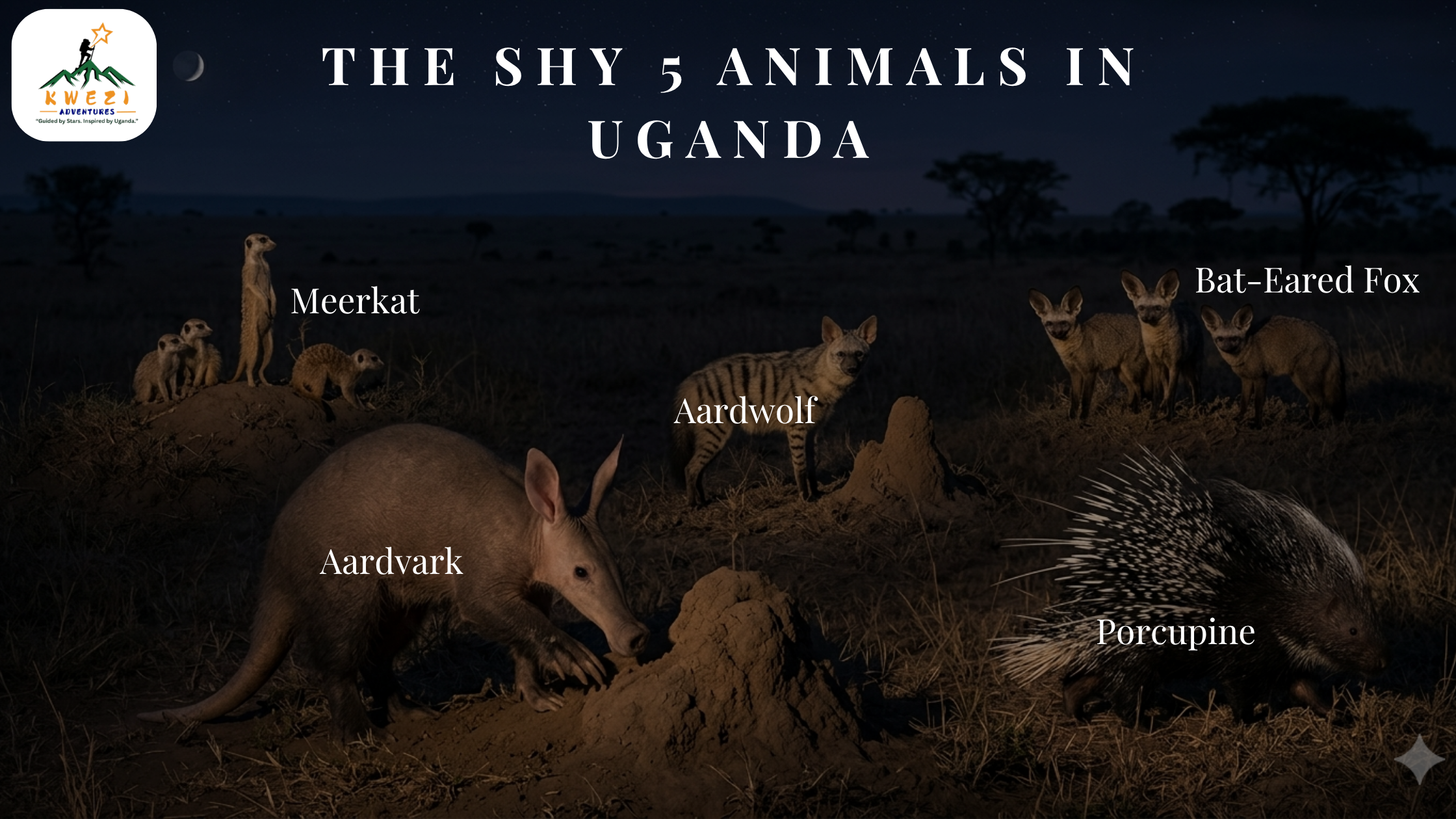
When most people think of a Uganda safari, their minds immediately jump to the "Big Five" or our famous mountain gorillas. However, there is a secret world that wakes up just as the sun sets over the savanna. At Kwezi Adventures, we believe the true magic of the wild lies in the details, specifically, in spotting the Shy 5 animals in Uganda.
These creatures are elusive, mostly nocturnal, and rarely seen by the average tourist. Spotting them requires a mix of expert guiding, immense patience, and a bit of safari luck.
Why the Shy 5 Deserve Your Attention
The concept of the "Big Five" originated from hunting terminology, referring to the five most dangerous animals to hunt on foot. Today, it's become the gold standard for safari checklists. But there's something special about pursuing a different kind of trophy, one measured not in size or danger, but in rarity and the thrill of discovery.
The Shy 5 animals in Uganda represent the opposite of their famous counterparts. They are small, secretive, and largely active when most safari-goers are back at their lodges enjoying sundowners. Spotting them requires not just luck, but intention: choosing the right park, booking a night drive, and placing yourself in the hands of guides who know exactly where and how to look.
For travelers who have already checked the Big Five off their list, the Shy 5 offer a fresh challenge. For first-time visitors, they provide a reminder that Africa's magic exists in creatures great and small, seen and unseen.
Meet the Shy 5 Animals in Uganda
1. Aardvark (Orycteropus afer): The Mysterious "Earth Pig."
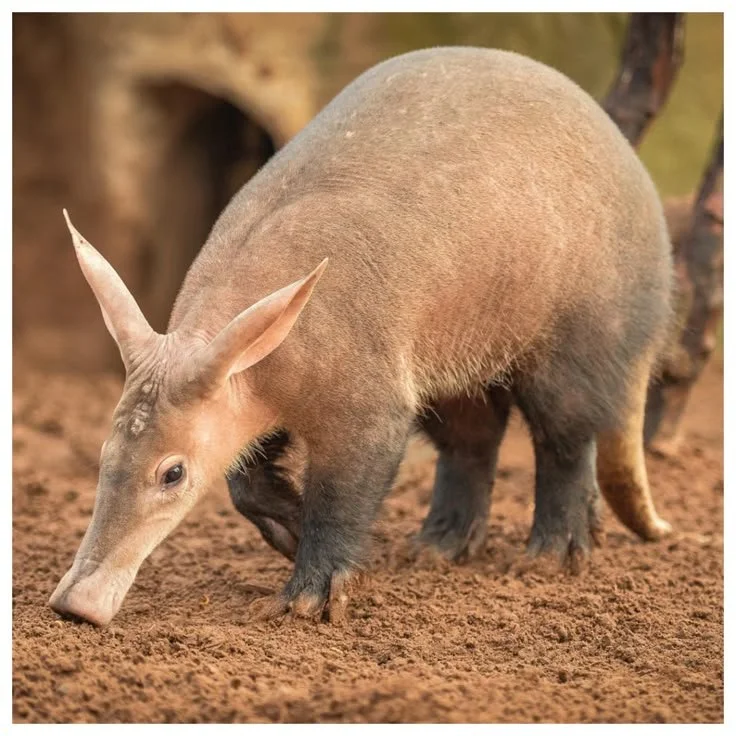
The aardvark is perhaps the most legendary of the Shy 5, a creature so elusive that even seasoned guides may go years between sightings. Its name comes from the Afrikaans words for "earth pig," a fitting description for this strange, nocturnal mammal.
Physical Characteristics
Size: Approximately 1–1.5 meters in length, weighing 40–65 kg
Appearance: Sparse, yellowish-grey fur, a tubular snout, rabbit-like ears, and a thick, muscular tail
Distinctive Features: Powerful, shovel-like claws designed for digging
Behavior and Diet
The aardvark is a termite specialist, using its extraordinary digging abilities to break into termite mounds. Its sticky, long tongue (up to 30 cm) can lap up thousands of termites in a single night. A single aardvark can consume up to 50,000 insects in one evening, playing a crucial role in controlling termite populations.
Aardvarks are solitary creatures, coming together only for mating. They spend daylight hours in complex burrow systems, emerging after dark to forage. Their powerful claws make them exceptional diggers; they can create a burrow faster than several men with shovels.
Where to Find Them in Uganda
Aardvarks inhabit savanna ecosystems across Uganda, with the best chances in:
Lake Mburo National Park: Known for its population, though sightings remain rare
Queen Elizabeth National Park: The open savanna provides an ideal habitat
Murchison Falls National Park: Particularly in the northern sector
Sightings Probability: Very Low
The aardvark is the ultimate test of safari patience. Your best chance comes during night drives in the dry season (June–August, December–February), when they venture further from their burrows in search of termites.
2. Porcupine: Africa's Largest Rodent
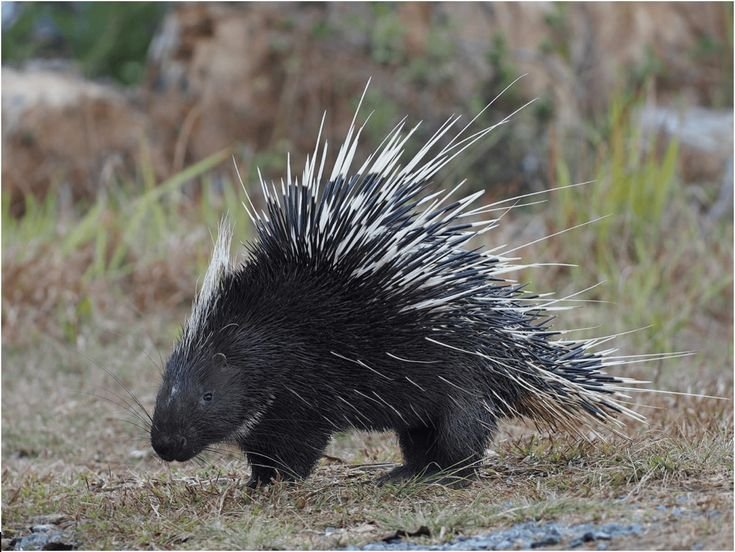
The African crested porcupine (Hystrix cristata) is the continent's largest rodent, and one of its most formidable. Covered in sharp, defensive quills, this nocturnal creature commands respect despite its herbivorous diet.
Physical Characteristics
Size: Up to 1 meter in length, weighing 10–30 kg
Appearance: Stocky body covered in black and white quills, with a distinctive crest on the head and neck
Defensive Arsenal: Quills range from 5–30 cm, with hollow, barbed tips that embed in predators
Behavior and Defense
Porcupines are primarily herbivorous, feeding on roots, tubers, bark, and fallen fruit. They are monogamous, often living in pairs or small family groups.
When threatened, a porcupine will stomp its feet, rattle its hollow quills, and charge backward toward the attacker. The quills detach easily upon contact and are barbed, making them difficult and painful to remove. Despite this formidable defense, porcupines are preyed upon by lions, leopards, and large pythons.
Where to Find Them in Uganda
Porcupines are more widespread and slightly less elusive than aardvarks:
Lake Mburo National Park: Excellent populations in the rocky outcrops
Queen Elizabeth National Park: Particularly near the Mweya Peninsula
Kidepo Valley National Park: The remote northern park offers good habitat
Sightings Probability: Low to Moderate
Porcupines are most commonly spotted during night drives as they cross roads or forage near termite mounds. Their quills occasionally catch the glow of spotlights, giving away their position. Dry season offers the best conditions.
3. Aardwolf (Proteles cristata): The Termite-Eating Hyena
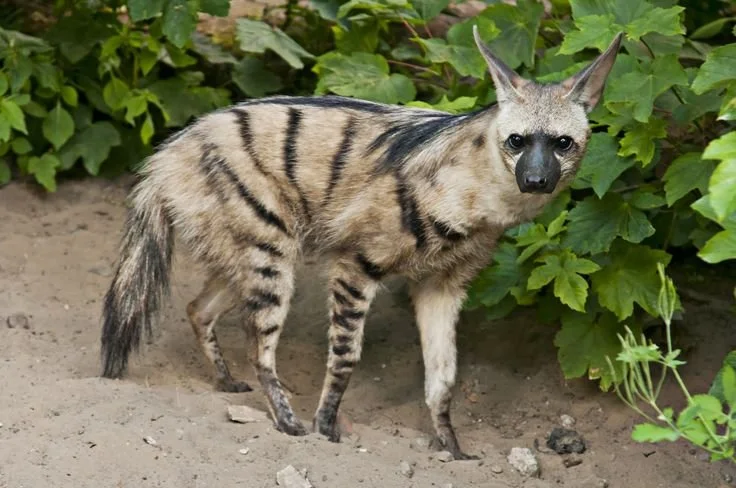
Despite its name and appearance, the aardwolf is not a wolf at all; it's a small, insectivorous member of the hyena family. Unlike its bone-crushing cousins, the aardwolf is a gentle, specialized termite feeder.
Physical Characteristics
Size: Approximately 60–80 cm in length, weighing 8–12 kg
Appearance: Yellowish-brown with distinctive vertical black stripes, a sloping back, and a mane that erects when threatened
Compared to Hyenas: Smaller, more delicate build; reduced teeth adapted for insectivory
Behavior and Diet
The aardwolf is highly specialized, feeding almost exclusively on termites, particularly the genus Trinervitermes. Using its long, sticky tongue, it can lap up over 200,000 termites in a single night. Unlike its hyena relatives, it lacks the jaw strength for bone-crushing, with teeth reduced to small, peg-like structures.
Aardwolves are monogamous and territorial, defending their home ranges from rivals. They spend daylight hours in abandoned aardvark burrows or self-excavated dens.
Where to Find Them in Uganda
Aardwolves prefer open, dry savanna with abundant termite mounds:
Kidepo Valley National Park: The dry, open landscapes provide ideal habitat
Lake Mburo National Park: Good populations in the acacia savanna
Queen Elizabeth National Park: The eastern section offers potential sightings
Sightings Probability: Low
Aardwolves are most active during the first few hours after dark. Their striped patterning provides excellent camouflage, making them difficult to spot even with spotlights. Your best chance comes during the dry season when termites are most active near the surface.
4. Bat-Eared Fox (Otocyon megalotis): The Insect-Hunting Specialist
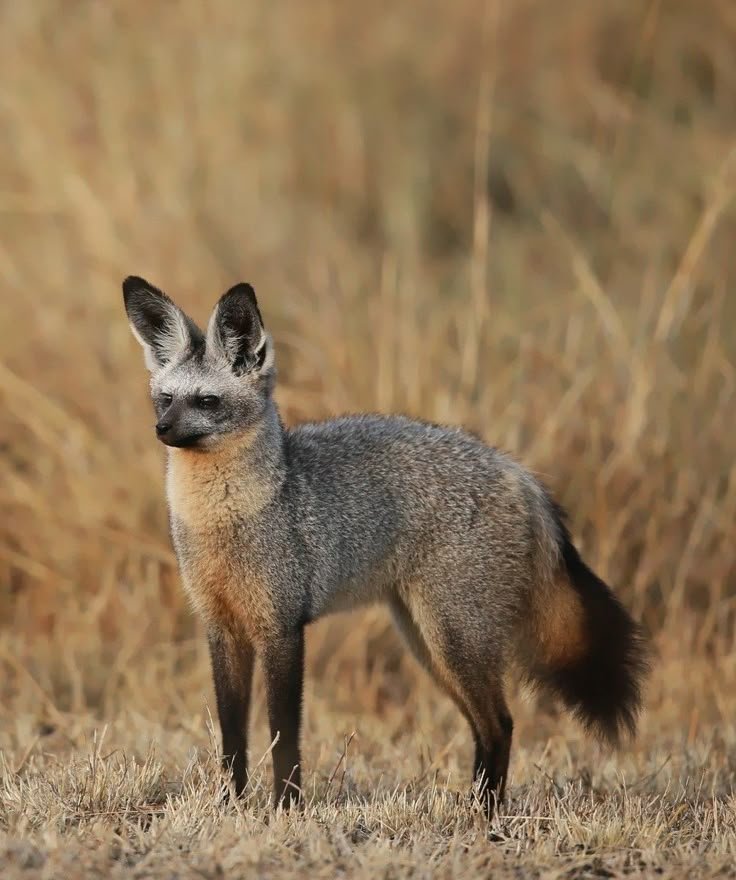
Named for its enormous ears, which can reach 13 cm in length, the bat-eared fox is one of Africa's most distinctive canids. Those oversized ears serve a critical purpose: detecting the movement of underground insects.
Physical Characteristics
Size: Approximately 50–60 cm in length, weighing 3–5 kg
Appearance: Tawny-grey coat, black legs and ears, raccoon-like facial mask
Distinctive Feature: Massive ears (up to 13 cm) that can rotate independently to pinpoint subterranean sounds
Behavior and Diet
The bat-eared fox is highly specialized for insectivory, with teeth adapted for crushing insect exoskeletons. Termites and dung beetles form the bulk of its diet, supplemented by small rodents, birds, and fruit.
Unlike many canids, bat-eared foxes are socially monogamous and often hunt in pairs or small family groups. They use their remarkable hearing to locate termites beneath the soil surface, then dig them up with rapid, shallow paw movements.
Where to Find Them in Uganda
Bat-eared foxes prefer short-grass savanna with abundant insect life:
Kidepo Valley National Park: The most reliable location in Uganda
Lake Mburo National Park: Open grasslands provide a good habitat
Queen Elizabeth National Park: Occasional sightings in the eastern plains
Sightings Probability: Low to Moderate
Bat-eared foxes are most active during the early evening and early morning hours. Unlike strictly nocturnal species, they may be spotted during late afternoon game drives. Their preference for open habitats makes them slightly easier to spot than other Shy 5 members.
5. Meerkat (Suricata suricatta): The Beloved Sentry
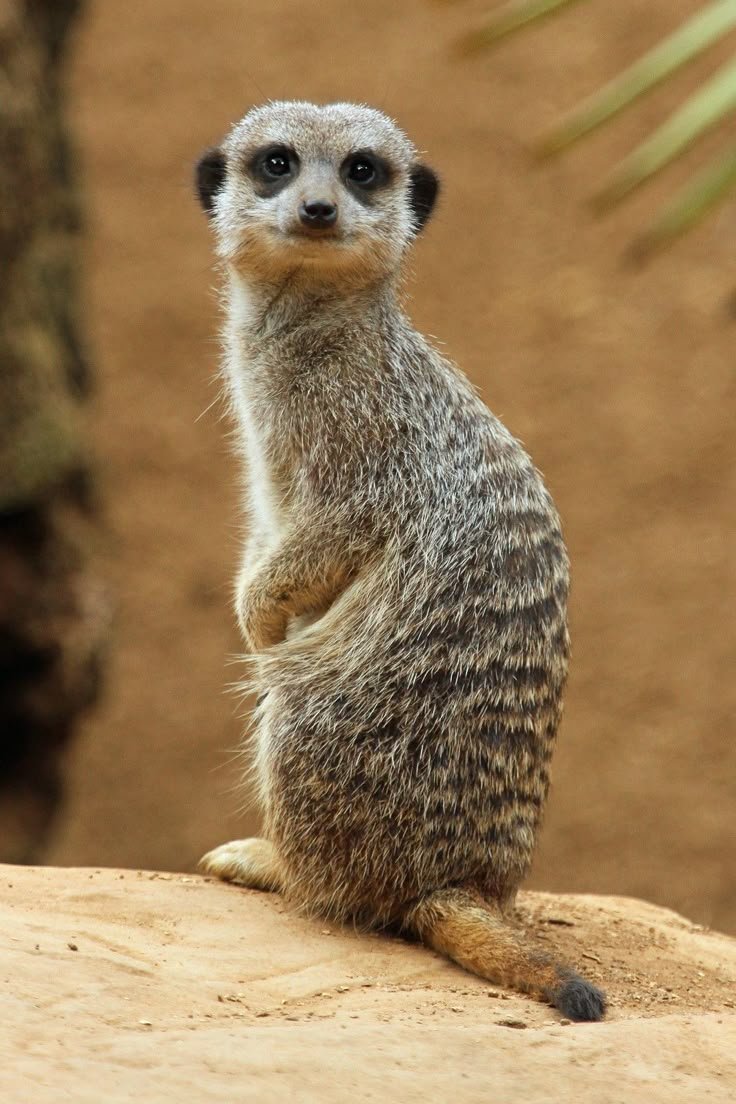
The meerkat is the most recognizable member of the Shy 5, thanks in large part to their charismatic portrayal in popular culture. These small mongooses live in complex social groups called "mobs" or "gangs," exhibiting behaviors that have fascinated researchers and wildlife enthusiasts alike.
Physical Characteristics
Size: Approximately 25–35 cm in length, weighing less than 1 kg
Appearance: Slender body, broad head, short legs, distinctive dark eye patches
Coat: Light tawny-grey with darker bands on the back
Behavior and Social Structure
Meerkats are highly social, living in groups of up to 30 individuals. Their societies are remarkably cooperative, with members sharing duties such as digging burrows, babysitting pups, and, most famously, serving as sentinels.
A sentinel meerkat will climb to a high vantage point, a termite mound, bush, or even another meerkat and scan for predators. When danger approaches, it emits a distinctive alarm call, and the entire mob scatters to their burrows.
Their diet consists primarily of insects, supplemented by small reptiles, birds, eggs, and scorpions (which they are remarkably resistant to). Meerkats have developed immunity to certain scorpion venoms, allowing them to prey on these dangerous arachnids.
Where to Find Them in Uganda
Meerkats are the most geographically restricted of the Shy 5 in Uganda:
Lake Mburo National Park: The most reliable location, particularly in open areas
Kidepo Valley National Park: Good populations in the dry savanna
Queen Elizabeth National Park: Occasional sightings in the eastern sector
Sightings Probability: Moderate
Unlike the other Shy 5 members, meerkats are diurnal and active during daylight hours. They are most visible in the early morning when they emerge from their burrows to sunbathe before foraging, and again in the late afternoon. Their preference for open habitats and their habit of standing upright make them more detectable than their nocturnal cousins.
The Shy 5 vs. The Shyer 5
It's worth noting that "The Shy 5" is sometimes used to refer to a different set of animals: porcupine, aardvark, bat-eared fox, meerkat, and aardwolf (as used here). However, variations exist. Some sources substitute the African wild dog or civet for the meerkat. The common thread is elusive, often nocturnal creatures that require dedicated effort to spot.
Where to Search for the Shy 5 in Uganda
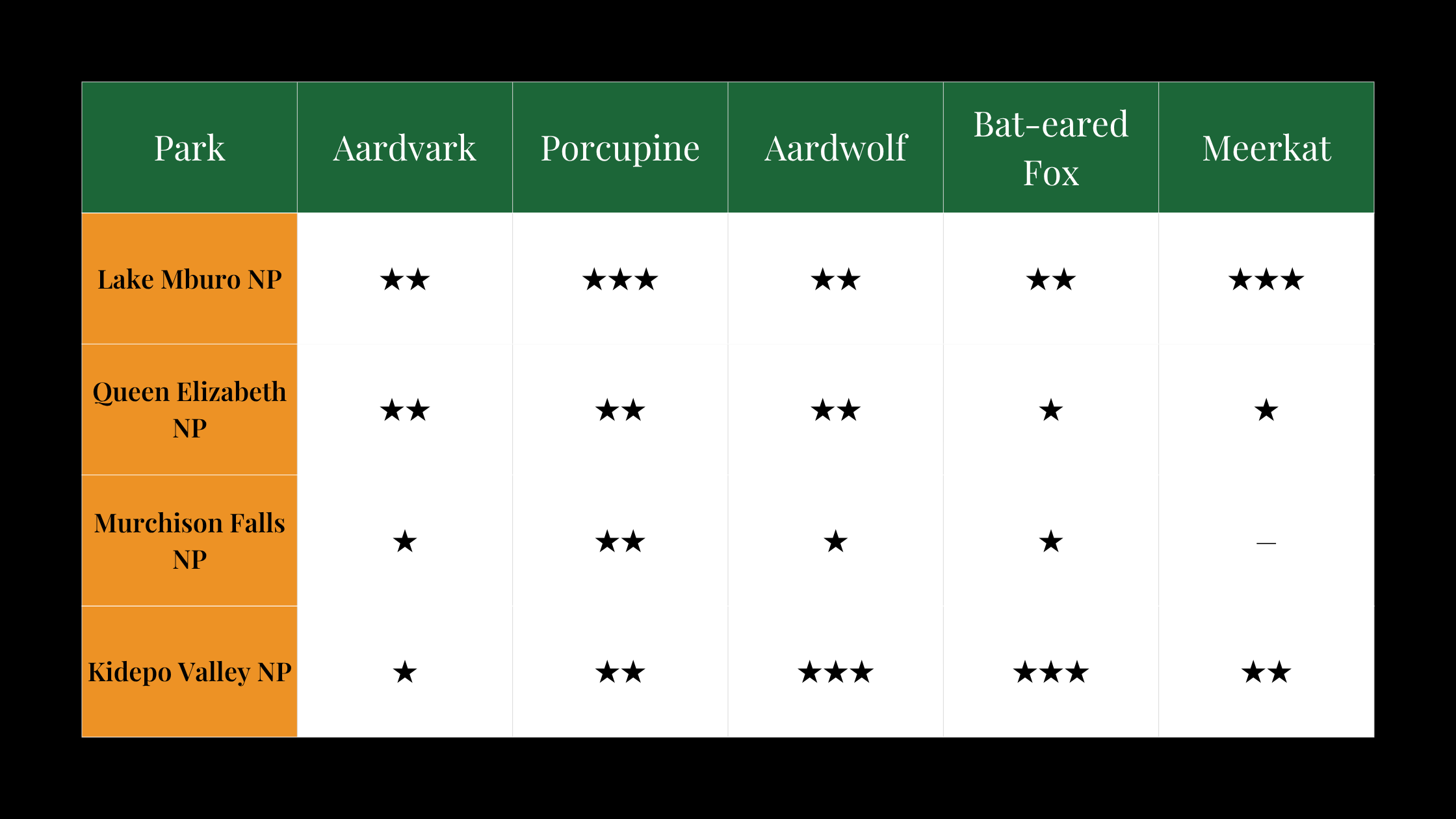
★ = Possible but rare | ★★ = Good potential | ★★★ = Best chance
How to Maximize Your Chances of Spotting the Shy 5
1. Book a Night Drive
The single most important factor for seeing most Shy 5 animals is venturing out after dark. National parks offer guided night drives, typically departing around 7:00 PM and lasting 2–3 hours. Your guide uses a powerful spotlight to scan for eye shine and movement.
2. Choose the Right Season
The dry seasons (June–August and December–February) offer the best conditions. Animals congregate near remaining water sources, and the reduced vegetation makes spotting easier. Additionally, termites, the primary food source for several Shy 5 species, are more active near the surface during dry conditions.
3. Stay in the Right Lodges
Some lodges are positioned closer to prime habitat for elusive species. In Lake Mburo, for example, accommodations near the park's open savanna increase your chances of encountering porcupines and aardwolves on night drives.
4. Be Patient and Manage Expectations
This cannot be overstated: the Shy 5 are called "shy" for a reason. Even under ideal conditions, sightings are never guaranteed. A successful safari for these species might yield one or two of the five. Consider each sighting a gift rather than an expectation.
5. Go with Experienced Guides
Our Kwezi Adventures guides have spent years learning the habits and habitats of the Shy 5. They know which termite mounds aardvarks frequent, which rocky outcrops porcupines favor, and which valleys bat-eared foxes patrol. Their expertise is your greatest asset.
People Also Ask About the Shy 5 Animals in Uganda
Q: What are the Shy 5 animals in Uganda?
A: The Shy 5 animals in Uganda are the aardvark, porcupine, aardwolf, bat-eared fox, and meerkat. These elusive, mostly nocturnal creatures are rarely seen on safari, requiring patience, luck, and often a dedicated night drive to spot.
Q: Why are they called the Shy 5?
A: They are called the Shy 5 because they are difficult to find, spending daylight hours hidden from predators and emerging primarily at night. This contrasts with the famous Big Five, which are large, often visible during daytime game drives.
Q: Where is the best place in Uganda to see meerkats?
A:Lake Mburo National Park offers the most reliable meerkat sightings in Uganda. They are most active during early morning and late afternoon, often seen standing sentinel on termite mounds. Kidepo Valley National Park also supports good populations.
Q: What is the difference between an aardvark and an aardwolf?
A: While both are nocturnal, termite-eating mammals, they are not closely related. The aardvark is a tubulidentate (ancient order), larger (40–65 kg), with a pig-like snout and powerful digging claws. The aardwolf is a small hyena relative (8–12 kg), with striped fur, a sloping back, and a specialized tongue for lapping termites.
Q: Are the Shy 5 dangerous to humans?
A: No, the Shy 5 are not dangerous to humans. Porcupines will defend themselves if cornered, but they prefer to flee. The others are completely harmless insectivores. Your guide will maintain a respectful distance during any sighting.
Q: What is the best time of year to see the Shy 5 in Uganda?
A: The dry seasons (June–August and December–February) offer the best chances. Reduced vegetation improves visibility, and termites, a primary food source for several Shy 5 species, are more active near the surface. Night drives are essential for most sightings.
Q: Can I see the Shy 5 on a regular daytime game drive?
A: Meerkats are the only Shy 5 member active during daylight hours. The others are strictly nocturnal or crepuscular (active at dawn/dusk). To see an aardvark, porcupine, aardwolf, or bat-eared fox, you must book a night drive.
Q: How many of the Shy 5 can I expect to see on a typical safari?
A: Manage your expectations; even experienced guides may go years between aardvark sightings. A successful Shy 5 safari might yield 1–2 of the five. Consider each sighting a special bonus rather than a guaranteed checklist item.
Q: What other elusive animals might I see on a night drive?
A: Night drives often reveal other nocturnal creatures, including bushbabies, genets, civets, springhares, servals, and various owl species. The night shift in the African bush is surprisingly active, even when the Shy 5 remain hidden.
The Thrill of the Chase: Why the Shy 5 Matter
In an era where wildlife viewing can sometimes feel like a checklist exercise, the Shy 5 offer something precious: genuine challenge and mystery. They remind us that the African bush holds secrets even for those who spend their lives in it. They reward patience, humility, and a willingness to embrace the darkness.
When you finally spot a pair of bat-eared fox ears silhouetted against a moonlit horizon, or watch a meerkat sentinel stand tall against the golden evening light, you'll understand. These moments are not guaranteed; they are earned. And that makes them unforgettable.
At Kwezi Adventures, we design safaris that embrace the full spectrum of Uganda's wildlife from the iconic giants of the Big Five to the shadow-dwelling secrets of the Shy 5. Our guides possess the expertise to know where to look, the patience to wait, and the respect to observe without disturbing.
Ready to take on the challenge of the Shy 5?
Contact Kwezi Adventures today. Let us craft a luxury safari that includes dedicated night drives in Uganda's best Shy 5 habitat. The aardvark, the porcupine, the aardwolf, the bat-eared fox, and the meerkat are waiting if you know where and how to look.
