
National Parks in Kenya
Ready to Explore Kenya’s National Parks?
Kwezi Adventures designs private safaris across Kenya’s finest wildlife reserves. Please let us know what wildlife or attractions you would like to see.
Introduction
Kenya holds a special place in safari history. This is where the word “safari” entered the global vocabulary, where generations of travelers have come to witness the greatest wildlife show on Earth. The country’s network of national parks and reserves protects an extraordinary range of ecosystems, from the snow-capped peak of Mount Kenya to the salt flats of Amboseli, from the red earth of Tsavo to the grasslands of the Maasai Mara.
What makes the national parks in Kenya so appealing is their accessibility and diversity. Within a single week, you can photograph elephants beneath Kilimanjaro, track rhinos by a Rift Valley lake, and watch lions hunt on the Mara plains. The well-developed infrastructure, highly trained guides, and consistently reliable wildlife sightings enhance the experience.
This guide covers every significant national park and reserve in Kenya. We have included 2026 entry fees, best visiting seasons, wildlife highlights, and honest assessments of each destination. Whether you are planning your first safari or your fifth, you will discover the information you need to make confident decisions.
How This Guide Helps You Choose
The challenge with Kenya is not a lack of options. It is an abundance of options. Eighteen national parks, numerous reserves, and dozens of private conservancies make the decision process genuinely difficult.
We have organized this guide around the question that matters most: Which park matches your travel style? A honeymoon couple seeking privacy needs different recommendations than a family with young children or a photographer chasing the Great Migration.
Our team at Kwezi Adventures has visited every park listed here. We work with guides who have spent decades tracking wildlife across these landscapes. The recommendations that follow come from direct experience and real feedback from our guests.
Choosing Your Safari Destination: A Quick Reference
For First-Time Safari Travelers
If this is your first African safari, start with the Maasai Mara. The wildlife density is exceptional, the landscapes match every safari film you have ever watched, and the infrastructure makes logistics straightforward. The Mara delivers a classic experience with minimal risk of disappointment.
For Elephant Enthusiasts
Amboseli National Park offers the most reliable elephant viewing in Africa. Herds of over 100 individuals are common, and several large tuskers live in the park. The backdrop of Mount Kilimanjaro creates photography opportunities found nowhere else on Earth.
For Couples and Honeymooners
Private conservancies bordering the Maasai Mara offer the best combination of wildlife and privacy. Night drives, walking safaris, and off-road driving are permitted here, which creates more intimate and flexible encounters than the main reserve allows.
For Solo Travelers and Budget-Conscious Visitors
Lake Nakuru National Park delivers excellent wildlife viewing in a compact, accessible area. The park is easy to cover in a single day, accommodation options are plentiful at various price points, and the rhino sightings are consistently good.
For Repeat Safari Travelers
If you have already done a classic Maasai Mara and Amboseli circuit, consider Samburu National Reserve in the north. The arid landscape feels completely different from southern Kenya, and the wildlife includes species found nowhere else in the country.
For Families with Young Children
Combine Lake Nakuru with a visit to Lake Naivasha. The short distances between locations, the gentle game viewing, and the opportunity for boat rides and walking safaris on Crescent Island make this an ideal introduction for children.
For Adventure Travelers
Hell’s Gate National Park allows cycling and hiking through a dramatic gorge landscape. This is the only national park in Kenya where you can safely walk among wildlife, and the film set's inspiration for The Lion King adds a fun cultural element.
For Conservation-Focused Travelers
Ol Pejeta Conservancy houses the last two northern white rhinos on Earth, a chimpanzee sanctuary, and some of the best black rhino viewing in East Africa. Your entry fees directly support conservation work.
Complete Guide to National Parks in Kenya
Maasai Mara National Reserve
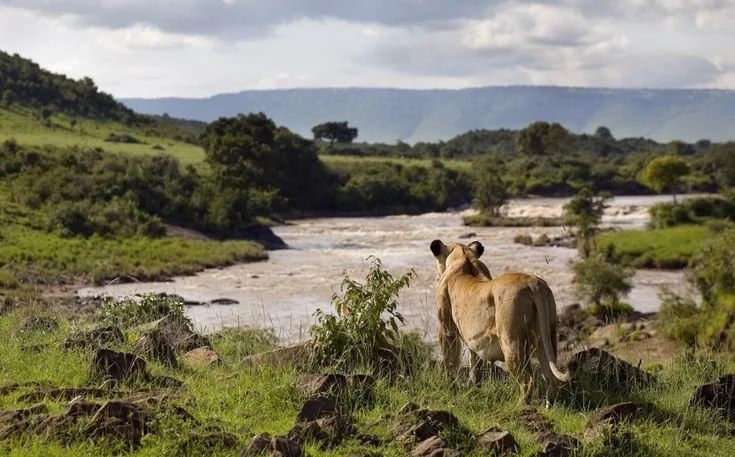
The Maasai Mara National Reserve is Kenya’s most celebrated wildlife destination. Located in the southwest, it forms the northern continuation of the Serengeti ecosystem and supports some of the highest densities of predators in Africa.
Wildlife Highlights
The reserve is home to all members of the Big Five. Lions are particularly abundant, and the Mara is one of the best places in Africa to see leopards. Cheetah sightings are also reliable on the open plains.
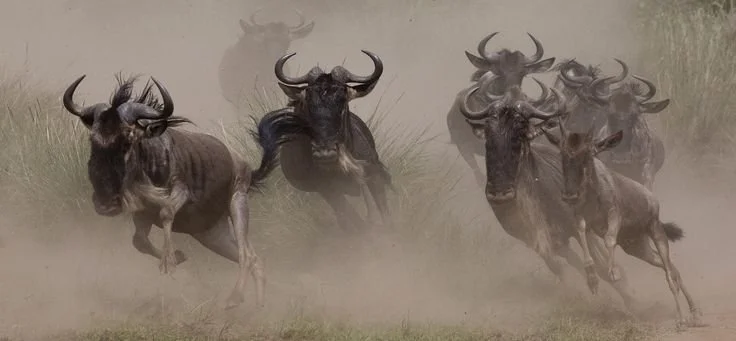
Between July and October, over 1.5 million wildebeest and 200,000 zebras cross the Mara River from the Serengeti. This is the Great Migration, one of nature’s most dramatic spectacles. The river crossings are unpredictable, but when they happen, the combination of plunging herds and waiting crocodiles creates unforgettable drama.
Beyond the migration, the resident wildlife ensures excellent game viewing year-round. The grasslands support large herds of plains game, and the riverine areas attract elephants and buffalo.
Landscape and Experience
The reserve consists of open rolling grasslands punctuated by acacia trees and riverine forests. The golden light at sunrise and sunset creates exceptional photography conditions.
The main reserve can feel busy during peak season. For a more private experience, book accommodation in one of the surrounding conservancies such as Mara North or Olare Motorogi. These areas limit vehicle numbers and permit activities not allowed in the main reserve.
Best Season
The dry season from July to October offers the best wildlife viewing and the chance to witness river crossings. January and February are also excellent, with drier conditions and fewer visitors. The wet season from March to June brings lush landscapes, lower rates, and excellent birding, though some areas become muddy.
2026 Entry Fees
High Season (July to December): International Adult $200, Child $50
Low Season (January to June): International Adult $100, Child $50
Conservancy fees range from $80 to $150 per day, depending on the area.
Recommended Stay
Three to five nights allow for a proper introduction to the reserve.
Amboseli National Park
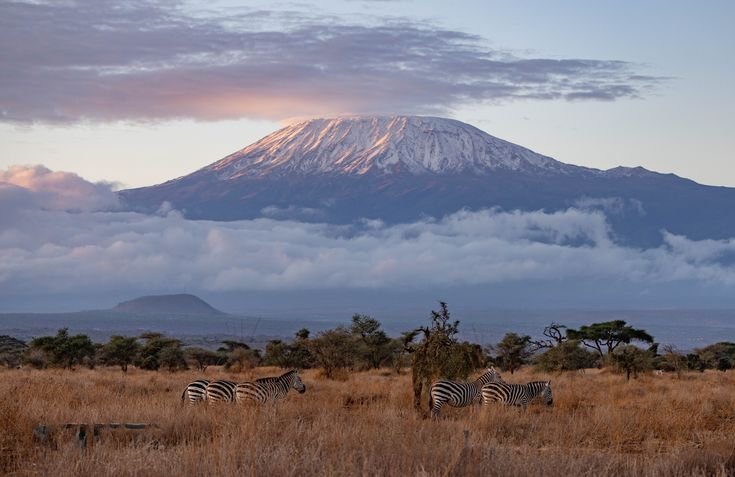
Amboseli National Park sits at the foot of Mount Kilimanjaro. The mountain’s snow-capped peak dominates every view, and the park is famous for the sight of elephant herds walking across the dusty plains with Kilimanjaro rising behind them.
Wildlife Highlights
Amboseli is elephant country. Over 1,600 elephants live here, including several large tuskers. The herds are relaxed around vehicles, allowing close observation of family dynamics.
The open terrain makes wildlife spotting exceptionally easy. Lions, cheetahs, hyenas, buffalo, and giraffes are commonly seen. The park also supports over 400 bird species, including flamingos and pelicans in the seasonal lakes.
Landscape and Experience
The park consists of five main habitats: open plains, acacia woodlands, rocky thorn bush, swamps, and marshland. The swamps attract dense concentrations of wildlife, especially during the dry season.
The best photography moments happen at sunrise and sunset when Kilimanjaro’s peak is most visible. The mountain is often cloud-covered by mid-morning, so early starts are essential.
Best Season
The dry season from June to October offers the clearest views of Kilimanjaro and the highest wildlife concentrations around the swamps. January and February are also good. The wet season from March to May brings dramatic thunderstorms and lush vegetation, but some areas become inaccessible.
2026 Entry Fees
International Adult: $90; Child: $45
Kenyan/East African Citizen: KSh 1,500; Child KSh 750
Recommended Stay
Two nights are sufficient for most travellers, though photographers may want three to capture optimal light conditions.
Tsavo East and Tsavo West National Parks
Tsavo is Kenya’s largest protected area, covering over 20,000 square kilometers. The park is divided into two sections: Tsavo East and Tsavo West. Together, they offer a raw, uncrowded safari experience.
Wildlife Highlights
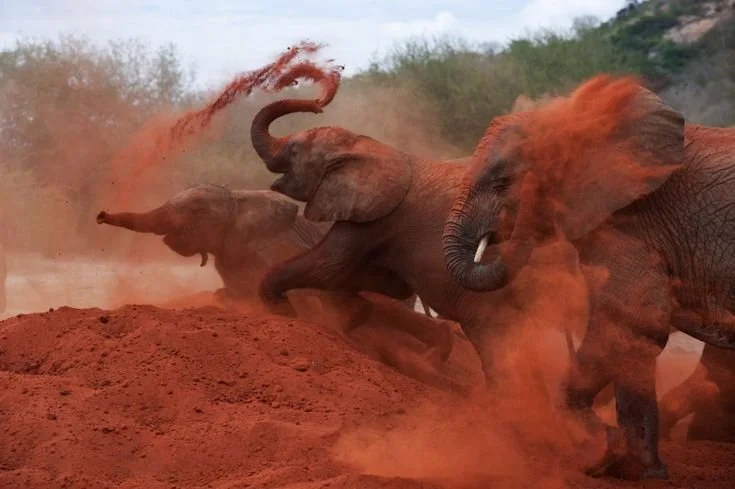
Tsavo is famous for its “red elephants.” The animals dust themselves with the region’s red volcanic soil, giving their skin a distinctive reddish hue.
The park supports a full range of safari wildlife, including lions, leopards, cheetahs, buffalo, and rhinos. Tsavo is also one of the best places in Kenya to see the gerenuk, a long-necked antelope that stands on its hind legs to browse.
Landscape and Experience
Tsavo East features open plains and the dramatic Yatta Plateau, one of the world’s longest lava flows. The Galana River cuts through the park, attracting wildlife to its banks.
Tsavo West offers more varied terrain, including volcanic cones, lava flows, and the Mzima Springs. These crystal-clear pools allow underwater viewing of hippos and crocodiles through an observation chamber.
Both sections of the park see far fewer visitors than the Maasai Mara or Amboseli. You can drive for hours without seeing another vehicle.
Best Season
The dry season from June to October offers the best wildlife viewing as animals gather near water sources. The park remains accessible year-round, but the wet season from November to May makes some roads difficult.
2026 Entry Fees
International Adult: $80; Child: $40
Kenyan/East African Citizen: KSh 500; Child: KSh 200
Recommended Stay
Two to four days allow you to explore one section thoroughly. A full week would be needed to see both East and West properly.
Lake Nakuru National Park
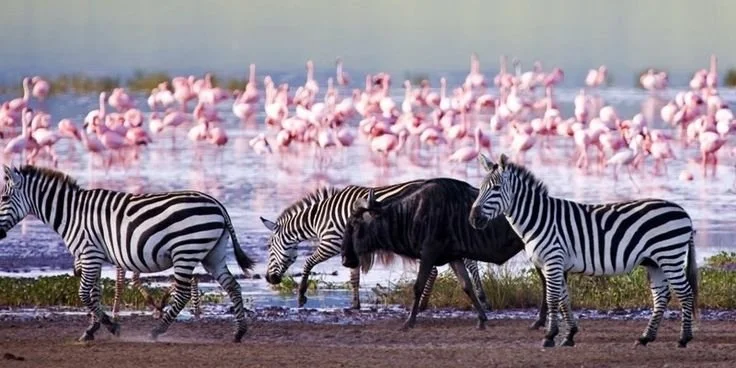
Lake Nakuru National Park sits in the Rift Valley, centered around a soda lake famous for its birdlife. The park is compact, accessible, and remarkably productive for its size.
Wildlife Highlights
Lake Nakuru is one of Kenya’s best places to see both black and white rhinos. The park has a well-protected rhino sanctuary, and sightings are almost guaranteed.
The lake historically hosted millions of flamingos. Water levels have fluctuated in recent years, affecting bird numbers, but the park remains excellent for pelicans, cormorants, and other waterbirds.
Lions, leopards, Rothschild’s giraffes, and buffalo are also present. The park’s small size means animals cannot easily hide, making wildlife viewing efficient and rewarding.
Landscape and Experience
The lake itself is alkaline, surrounded by acacia forest and grassland. The cliffs on the park’s eastern edge offer panoramic views over the lake and the surrounding Rift Valley.
The compact size makes Lake Nakuru ideal for a short visit. You can cover the main game viewing areas in a single day, making the park a perfect stopover between Nairobi and the Maasai Mara.
Best Season
The park is excellent year-round. The dry season from June to February offers the easiest driving conditions and most predictable wildlife viewing. The wet season brings lush vegetation and excellent birding.
2026 Entry Fees
International Adult: $90; Child: $45
Kenyan/East African Citizen: KSh 1,500; Child KSh 750
Recommended Stay
One or two nights.
Nairobi National Park
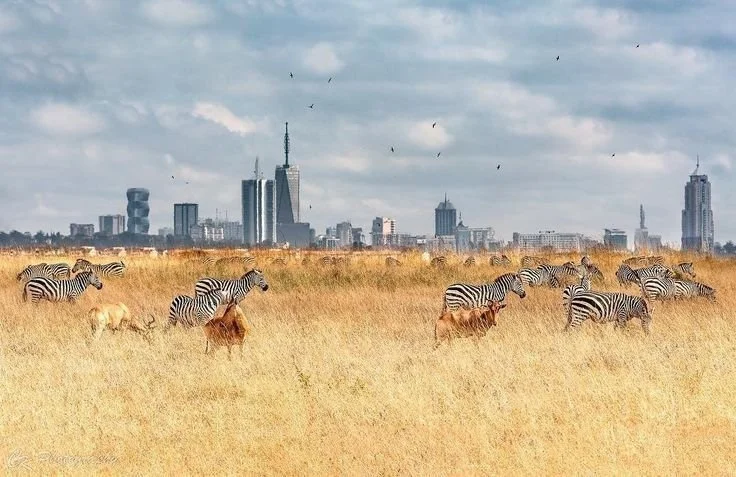
Nairobi National Park lies just 15 minutes from Kenya’s capital city. It is the only national park in the world located within a capital city, and the combination of wild animals with a city skyline on the horizon is uniquely memorable.
Wildlife Highlights
The park supports a surprisingly diverse range of wildlife. Lions, black rhinos, giraffes, zebras, buffalo, and over 400 bird species live within its boundaries. The rhino population is particularly notable, with good chances of seeing both black and white rhinos.
The absence of elephants means the vegetation remains thick, which can make some animals harder to spot than in the open plains of the Mara. However, the park’s compact size and accessible road network mean you can cover the main areas in a half day.
Landscape and Experience
The park consists of open grass plains, acacia woodland, and riverine forest. The skyline of Nairobi provides an unusual backdrop, but the park feels wilder than the city's proximity would suggest.
Visiting Nairobi National Park works best as a half-day activity on arrival or departure day. You can combine a morning game drive with a visit to the David Sheldrick Elephant Orphanage and the Giraffe Centre, both located nearby.
Best Season
The park is productive year-round. The dry season from June to October offers the easiest game viewing, but the wet season brings lush vegetation and excellent migratory birding.
2026 Entry Fees
International Adult: $80; Child: $40
Kenyan/East African Citizen: KSh 1,000; Child KSh 500
Recommended Stay
Half day.
Samburu, Buffalo Springs, and Shaba National Reserves
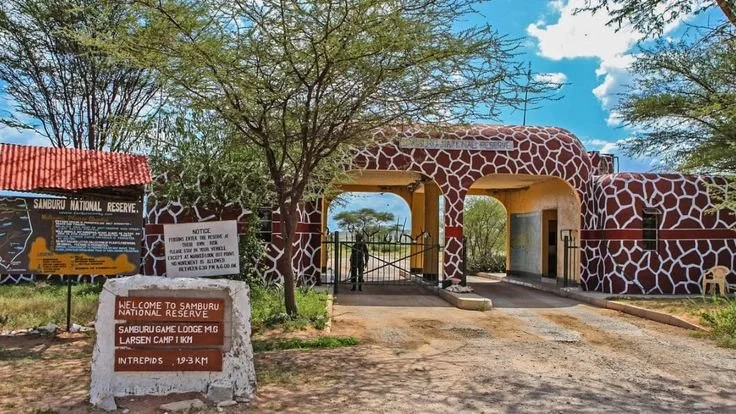
These three adjacent reserves in northern Kenya offer a safari experience distinct from the southern parks. The arid landscape, permanent river, and range of unique wildlife make this a compelling destination for repeat travelers.
Wildlife Highlights
Samburu is home to the “Samburu Special Five.” These species are difficult or impossible to see in southern Kenya: Grevy’s zebra with its narrow stripes and large ears, the long-necked gerenuk, the beautifully patterned reticulated giraffe, the beisa oryx with its dramatic facial markings, and the blue-necked Somali ostrich.
The Ewaso Nyiro River runs through the reserves, attracting elephants, lions, leopards, and abundant plains game to its banks. Crocodiles and hippos live in the river, providing consistent viewing opportunities.
Landscape and Experience
The semi-arid landscape features riverine forests along the Ewaso Nyiro, contrasted with dry grasslands and rocky hills. The dramatic scenery and unique wildlife create photography opportunities very different from southern Kenya.
The reserves see far fewer visitors than the Mara or Amboseli. You will share sightings with only a handful of other vehicles at most.
Best Season
The dry season from June to October offers the best wildlife viewing as animals concentrate along the river. The reserve is accessible year-round, but the wet season from November to May makes some roads challenging.
2026 Entry Fees
International Adult: $85; Child: $50
Kenyan/East African Citizen: KSh 1,600; Child KSh 800
Recommended Stay
Two to three nights.
Mount Kenya National Park
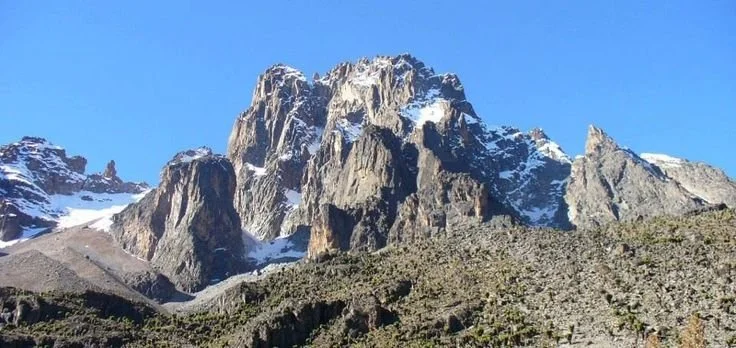
Mount Kenya National Park is home to Mount Kenya, Africa’s second-highest peak. The mountain’s diverse ecosystems range from equatorial forest to alpine moorland to glaciers near the summit.
Wildlife Highlights
The lower slopes support forest wildlife, including elephants, buffalo, bushbuck, and monkeys. The higher altitudes are home to hyrax, mountain antelope, and a variety of birds. However, the main attraction is the mountain itself, not the wildlife viewing.
Landscape and Experience
The park protects the mountain’s unique Afro-alpine flora. Giant groundsels and lobelias grow at high altitudes, creating a surreal landscape found only on East Africa’s highest peaks.
Trekking is the primary activity. The most popular route reaches Point Lenana at 4,985 meters, achievable for fit hikers with proper acclimatization. Technical climbing to the higher peaks requires mountaineering experience and specialized equipment.
Best Season
The dry seasons from January to February and June to September offer the best trekking conditions.
2026 Entry Fees
International Adult: $70; Child: $35
Kenyan/East African Citizen: KSh 800; Child: KSh 400
Recommended Stay
Three to seven days, depending on trekking objectives.
Aberdare National Park

The Aberdare mountain range rises to over 4,000 meters, creating a misty forest environment completely different from Kenya’s savanna parks.
Wildlife Highlights
The park’s dense forest makes wildlife viewing more challenging than on the open plains. Elephants, buffalo, and leopards live here, as do the elusive bongo and giant forest hog. Sightings require patience.
Landscape and Experience
The Aberdares feature deep forested valleys, bamboo thickets, moorlands, and spectacular waterfalls, including the 300-meter Karuru Falls. The cool, misty climate offers a refreshing break from the savanna heat.
The park is famous for its tree lodges, which offer floodlit waterholes and salt licks. Viewing wildlife from the comfort of the lodge observation decks, especially at night, is the primary draw.
Best Season
The park is accessible year-round. The dry seasons offer easier walking conditions for guided forest walks.
2026 Entry Fees
International Adult: $70; Child: $40
Kenyan/East African Citizen: KSh 800; Child: KSh 500
Recommended Stay
One or two nights in a tree lodge.
Hell’s Gate National Park
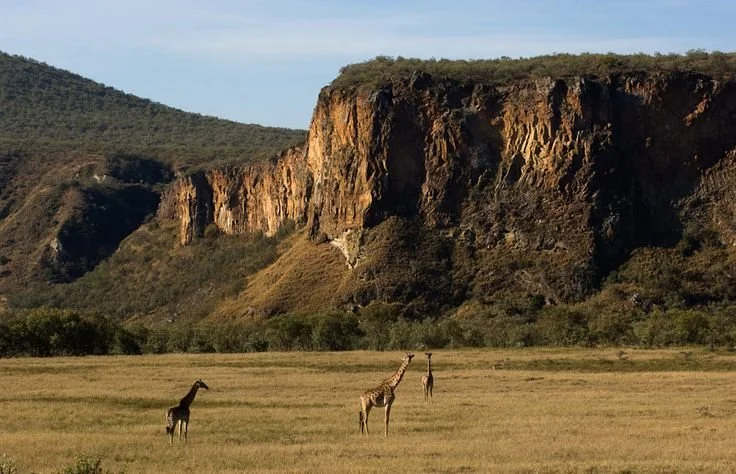
Hell’s Gate is one of Kenya’s most unusual parks. No predators live here, so you can walk, cycle, or drive through the park safely. The dramatic scenery of deep gorges and geothermal steam vents sets it apart from every other park in the country.
Wildlife Highlights
Zebras, giraffes, antelopes, and buffalo live in the park, but the wildlife is not the main attraction. The freedom to walk among these animals without the restrictions of a vehicle is the primary experience.
Landscape and Experience
The park’s name comes from the geothermal activity: steam vents and hot springs dot the landscape. The deep gorges cut through volcanic rock, and the red cliffs inspired the Pride Lands setting in The Lion King film.
The main activities are cycling through the park and hiking through the gorge with a guide. Rock climbing on Fischer’s Tower, a 25-meter volcanic plug, is also possible.
Hell’s Gate is usually combined with a visit to Lake Naivasha, where boat rides offer close views of hippos and walking safaris on Crescent Island allow encounters with giraffes and zebras.
Best Season
The dry season from June to October and December to March is best for hiking and cycling. The rainy season makes some sections muddy and slippery.
2026 Entry Fees
International Adult: $70; Child: $20
Kenyan/East African Citizen: KSh 400; Child: KSh 200
Recommended Stay
Part of a day, combined with Lake Naivasha.
Lake Naivasha
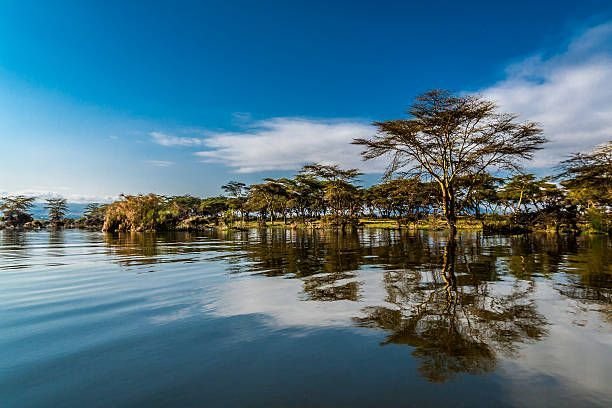
Lake Naivasha is not a national park but a freshwater lake in the Rift Valley. It serves as an excellent stopover location between Nairobi and the Maasai Mara or Nakuru.
Wildlife Highlights
Hippos live in the lake and are easily seen on boat cruises. The surrounding area supports a variety of birds, including fish eagles that will swoop down to take food from your hand on guided trips.
Landscape and Experience
The lake is surrounded by yellow-barked acacia trees and grassland. The nearby Crescent Island is a private wildlife sanctuary where you can walk among giraffes, zebras, and antelopes.
The area offers a range of activities: boat cruises, walking safaris, cycling, and visits to nearby Hell’s Gate.
2026 Entry Fees
International Adult: $70 entry for a boat, Crescent Island, and sanctuary combined.
Recommended Stay
One night as a stopover.
Lake Bogoria National Reserve
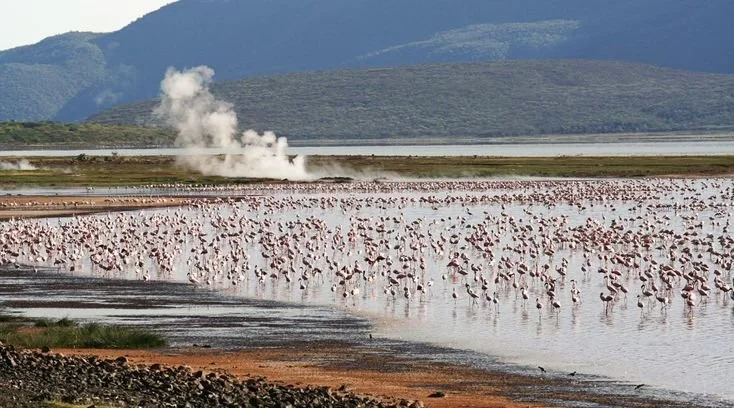
Lake Bogoria is a soda lake in the Rift Valley, known for its hot springs and its flamingo populations.
Wildlife Highlights
The lake is famous for its flamingos. When conditions are right, tens of thousands of lesser flamingos gather along the shoreline, creating a pink ribbon across the water. Greater flamingos are also present.
Landscape and Experience
The lake is set against dramatic Rift Valley escarpments. Hot springs and geysers along the lake’s edge release steam, creating an otherworldly atmosphere.
Entry Fees
International Adult: Approximately $70
Recommended Stay
Day trip from Lake Nakuru.
Private Conservancies
Private conservancies adjacent to national parks offer a different experience from state-managed reserves. Vehicle numbers are strictly limited, off-road driving is often permitted, and activities like night drives and walking safaris are allowed.
Ol Pejeta Conservancy
Located in Laikipia, Ol Pejeta is one of Africa’s most successful conservation stories. The conservancy houses the last two northern white rhinos on Earth, a chimpanzee sanctuary, and a thriving population of black rhinos. Entry fees are $100 for international adults.
Lewa Wildlife Conservancy
Also in Laikipia, Lewa protects significant populations of rhinos and Grevy’s zebras. The conservancy is known for its high-end lodges and community conservation programs. Entry fees range from $126 to $198.
Mara Conservancies
The conservancies bordering the Maasai Mara, including Mara North, Olare Motorogi, and Naboisho, offer private wildlife viewing with lower vehicle densities. Walking safaris, night drives, and off-road driving are permitted. Conservancy fees range from $80 to $150.
Quick Reference: 2026 Entry Fees Summary
Fees are per person per 24 hours unless noted. Maasai Mara fees are per calendar day from 6:00 AM to 6:00 PM.
Need Help Choosing Your Kenya Safari?
Kwezi Adventures designs custom Kenya itineraries based on your travel style, budget, and interests. Tell us when you want to travel →
People Also Ask About National Parks in Kenya
Q: What is the best national park in Kenya for first-time visitors?
A: The Maasai Mara National Reserve is consistently recommended for first-time safari travelers. The wildlife density is high, the landscapes match the classic safari image, and the infrastructure is well developed. If you have only one park to visit, this is the one.
Q: What is the most affordable national park in Kenya?
A: Mount Kenya National Park has the lowest published fees at $70 for international adults. Hell’s Gate is also $70. Tsavo and Nairobi National Park cost $80. All are significantly less expensive than the Maasai Mara during high season.
Q: Which park has the best elephant viewing?
A: Amboseli National Park is famous for its elephants. Over 1,600 elephants live in the park, including several large tuskers. The sight of elephant herds walking beneath Mount Kilimanjaro is one of Africa’s iconic wildlife images.
Q: Where can I see rhinos in Kenya?
A: Lake Nakuru National Park offers reliable black and white rhino sightings. Ol Pejeta Conservancy also has excellent rhino viewing, including the last two northern white rhinos on Earth. Nairobi National Park protects a significant rhino population as well.
Q: What is the best time to see the Great Migration in Kenya?
A: The wildebeest herds reach the Maasai Mara from late July through October. River crossings, the most dramatic part of the migration, typically peak in August and September. Even outside migration season, the Mara offers excellent resident wildlife viewing.
Q: Can I combine a Kenya safari with gorilla trekking in Uganda?
A: Yes. Kwezi Adventures specializes in multi-country itineraries. A typical combination would include wildlife viewing in the Maasai Mara and Amboseli, followed by a flight to Entebbe and gorilla trekking in Bwindi. Contact us for specific routing advice.
Q: Which parks are best for photography?
A: Amboseli for elephants with Kilimanjaro in the background. The Maasai Mara is for golden light over open grasslands. Lake Nakuru for birds in flight. Samburu for unique species in arid landscapes.
Q: Which parks have the fewest visitors?
A: Tsavo East and Tsavo West are vast enough that you can drive for hours without seeing other vehicles. Samburu receives far fewer visitors than the southern parks. The private conservancies limit vehicle numbers by design.
Q: Do I need a visa for Kenya?
A: Most nationalities require an e-visa obtained online before travel. The standard tourist visa allows 30 days of travel. Apply well in advance of your departure date.
Q: What is included in a typical Kenya safari package?
A: Most full-service packages include a private 4x4 safari vehicle, a professional English-speaking guide, accommodation, all meals on safari, park entry fees, and bottled water. International flights, visas, travel insurance, tips, and alcoholic drinks are typically excluded.
Start Planning Your Kenyan Safari
Kenya’s national parks offer some of the most reliable and diverse wildlife viewing in Africa. Whether you are tracking lions in the Maasai Mara, photographing elephants beneath Kilimanjaro, or walking through the gorges of Hell’s Gate, each park provides a distinct experience.
Kwezi Adventures has been designing custom Kenya safaris for over a decade. We know the best guides, the most suitable lodges, and the optimal routing for your interests and timeline. Let us help you create the perfect itinerary.
Book a free consultation with our Kenya safari specialist →
Your journey into Kenya’s wild places begins with a single conversation. Reach out today.
