
Start Your Nairobi Safari Adventure
Kwezi Adventures designs private safaris to Kenya’s most accessible national park. Perfect for layovers, business trips, and family excursions. Tell us your schedule →
Introduction
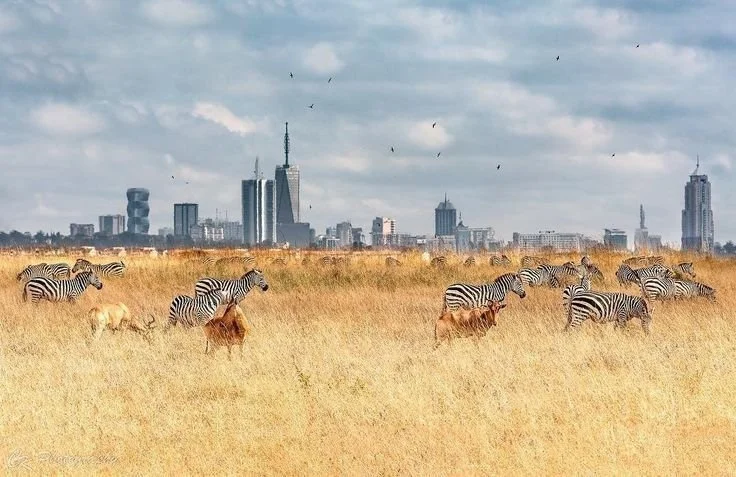
Nairobi National Park sits just seven kilometers south of Kenya’s capital city center. This is the only national park in the world located within a major city. The contrast of wild animals roaming against the backdrop of Nairobi’s skyline creates a scene you will not find anywhere else on Earth.
The park was established on December 16, 1946, making it Kenya’s oldest gazetted park. It covers 117 square kilometers at an elevation of approximately 1,500 to 1,800 meters above sea level. Despite its compact size, the park protects a remarkable diversity of wildlife and is one of Kenya’s most successful rhino sanctuaries.
What makes Nairobi National Park different from other safari destinations is its accessibility. You can land at Jomo Kenyatta International Airport in the morning, be on a game drive before lunch, and return to your hotel by dinner. This efficiency makes it ideal for travelers on tight schedules, business trips, or long layovers.
This guide covers everything you need for a 2026 visit. We include current entry fees, wildlife highlights, photography tips, and a comparison with the Maasai Mara. The information comes from Kenya Wildlife Service sources and direct experience.
Nairobi National Park 2026 Entry Fees
Nairobi National Park fees are managed by the Kenya Wildlife Service. The following fees are applicable for 2026.
Non-Resident Fees
| Visitor Category | Fee (USD) |
|---|---|
| Adult Non-Resident | $80 |
| Child Non-Resident (5–17 years) | $40 |
| Student Non-Resident | $40 |
Children under 5 years of age are exempt from paying park fees.
East African Citizen and Resident Fees
| Visitor Category | Low Season (KES) | High Season (KES) |
|---|---|---|
| East African Citizen Adult | 1,000 | Not specified |
| East African Citizen Child | 500 | Not specified |
Fees are per person per 24 hours. The park operates on a 12-hour ticket system from 6:00 AM to 6:00 PM.
The Nairobi Package, which includes Nairobi National Park, the Nairobi Animal Orphanage, and the Nairobi Safari Walk, costs $105 for non-resident adults and $55 for non-resident children.
Vehicle Entry Fees
| Vehicle Type | Fee (KES) |
|---|---|
| Less than 6 seats | 600 |
| 6–12 seats | 1,500 |
| 13–24 seats | 3,000 |
| 25–44 seats | 4,500 |
| 45 seats and above | 5,000 |
Kwezi Fee Note: We include all park fees in your quoted safari package. No surprise charges will appear after booking.
Wildlife in Nairobi National Park
The Rhinos
Nairobi National Park is one of Kenya’s most successful rhino sanctuaries. The park holds over 70 black rhinos, making it one of the best places in the world to see this critically endangered species. The park’s alternative name, “Kifaru Ark” (Rhino Ark), reflects its importance for rhino conservation.
The black rhino population here is protected by a dedicated anti-poaching unit. Sightings are more reliable in Nairobi than in most other Kenyan parks. You can often see rhinos resting under acacia trees near the park’s main tracks.
The Big Four
Nairobi National Park is home to four of Africa’s Big Five. Elephants are the only members absent from the park.
Lions are readily visible. Park rangers monitor lion movements to prevent human-wildlife conflict near the city, making it easier for guides to locate them during game drives.
Leopards are present but more elusive. They are best spotted during early morning or late afternoon drives when they are most active.
Cape buffalo live in the park in substantial herds. They are commonly seen near the Athi River and in the wooded areas of the park.
Giraffes and Other Mammals
The park hosts Maasai giraffes, recognized by their irregular spotted patterns. They are frequently seen browsing the acacia trees throughout the park.
The park supports over 100 mammal species. You will regularly see zebras, wildebeests, elands, impalas, Thomson’s gazelles, Grant’s gazelles, and Coke’s hartebeests (kongoni). Hippos live in the Athi River and can be observed from a safe distance.
Cheetahs are present in the park and have been documented successfully raising cubs in recent years, to the delight of visitors. Spotted hyenas and jackals complete the predator community.
Birds
For bird watchers, Nairobi National Park is exceptional. Over 500 bird species have been recorded here, making it one of the best birding destinations in Kenya after the Maasai Mara.
The park’s varied habitats, open savannah, riverine forest, and wetlands support different bird communities. Secretary birds, ostriches, bustards, and various vultures live on the open plains. Herons, egrets, and kingfishers frequent the rivers and pools. Sunbirds are abundant when the flowers are in bloom.
Migratory birds arrive during the rainy season from March to May and November. European migrants, including the lesser kestrel and various harriers, are present during these months.
Unique Features of Nairobi National Park
The City Skyline
No other national park offers the combination of wild animals with a modern city skyline. The juxtaposition of giraffes or lions against Nairobi’s towers creates photography opportunities you cannot replicate elsewhere.
The Ivory Burning Site
Nairobi National Park is the site of President Daniel Arap Moi’s dramatic ivory bonfire in 1989. The president torched 10 tons of ivory worth approximately $3 million to eliminate the mass slaughter of elephants for their tusks.
A commemorative plaque at the site bears the words "Great objectives often require great sacrifices.” The fire has been lit twice more since then to destroy confiscated stocks of poached rhino horn and ivory.
The Nairobi Animal Orphanage
Founded in 1963, the Nairobi Animal Orphanage serves as a treatment and rehabilitation facility for various wildlife species, including lions, cheetahs, hyenas, leopards, and jackals. It is located within the park and can be visited as part of the Nairobi Package.
Visitors can observe a wide variety of bird species, including parrots, guinea fowls, crowned cranes, and ostriches.
The Safari Walk
The Nairobi Safari Walk is a raised boardwalk through different Kenyan habitats. It offers close views of wildlife in a semi-captive setting. The walk is educational and suitable for all ages.
Best Time to Visit Nairobi National Park
Nairobi National Park is productive throughout the year. However, different seasons offer different advantages.
Dry Season: January to March and July to October
These months provide the best wildlife viewing. The vegetation is thinner, making animals easier to spot. Wildlife congregates around remaining water sources.
The July to October period coincides with the wildebeest and zebra migration from the Kitengela plains into the park. During these months, you will see larger herds than at other times of the year.
Wet Season: March to May and November to December
The wet season transforms the landscape. The grass turns green. The seasonal pools fill with water. Migratory birds arrive from Europe and northern Africa.
Bird watching is at its peak during the wet season. The main disadvantage is that the thicker vegetation makes animals harder to spot.
Kwezi Recommendation: For most visitors, the dry season months of January to March offer the best combination of good weather, excellent wildlife viewing, and fewer crowds than the mid-year peak.
Nairobi National Park vs. Masai Mara National Reserve
Many travellers ask which park to choose. The answer depends on your available time and your safari goals.
| Factor | Nairobi National Park | Maasai Mara National Reserve |
|---|---|---|
| Location | 20–45 minutes from Nairobi city centre | 45–60 minute flight or 5–6 hour drive |
| Recommended stay | Half-day to 1 day | 3 to 5 days |
| Park size | 117 km² | 1,500 km² |
| Entry fee (non-resident) | $80 | $100–$200 (seasonal) |
| Wildlife density | High, concentrated | Very high, especially for predators |
| Rhino viewing | Excellent, one of the best in Kenya | Good but less reliable |
| Great Migration | Limited movement | Spectacular river crossings (July–October) |
| Predator viewing | Lions regular; leopards and cheetahs possible | Exceptional; Africa’s highest predator density |
| Unique feature | City skyline backdrop | Endless savannah plains |
| Ideal for | Short trips, layovers, families, budget | Bucket-list safaris, extended stays |
Who Should Choose Nairobi National Park
Choose Nairobi National Park if you value speed, affordability, and convenience. The park is ideal for:
Short stays or layovers between flights
Business travelers with limited free time
Families with young children who cannot handle long drives
Budget-conscious travelers wanting a genuine safari experience.
Photographers seeking unique city-wildlife compositions
First-time visitors wanting a quick safari introduction
Who Should Choose the Maasai Mara
Choose the Maasai Mara if you want an immersive, multi-day safari experience. The Mara is ideal for:
Travelers with 3 to 5 days to dedicate to the safari
Bucket-list trips seeking the Great Migration
Serious wildlife photographers
Those wanting to see Africa’s highest predator densities
Travelers seeking complete remoteness from cities
Kwezi Honest Assessment: Nairobi National Park and the Maasai Mara are not competitors. They serve different purposes. The park delivers an authentic safari experience when you have limited time. The Mara delivers a world-class safari when you have days to explore. Many travellers do both on a longer Kenya itinerary.
Safari Activities In Nairobi National Park
Game Drives
Game driving is the primary activity in Nairobi National Park. The park’s compact size means you can cover the main wildlife areas in a few hours. Most visitors choose a half-day safari of approximately four to five hours.
The best times for game drives are early morning, from 6:30 AM to 10:00 AM, and late afternoon, from 4:00 PM to 6:00 PM. The animals are most active during these cooler hours. The soft light is also best for photography.
A typical half-day safari includes pickup from your Nairobi hotel or the airport. You enter the park at the main gate and drive through the open plains, the riverine forest, and the lake area. Your guide knows where to find the resident lion prides, the rhino sanctuary, and the hippo pools.
Rhino Tracking
Rhino tracking is a major draw. The park’s rhino sanctuary covers much of the southern section. With a good guide, your chances of seeing both black and white rhinos are excellent.
Walking Safaris
Guided walking safaris are available along the Athi River and near the hippo pools. Armed rangers lead the walks, focusing on tracks, plants, insects, and smaller wildlife. Walking safaris must be arranged in advance through the Kenya Wildlife Service or your lodge.
Photography
Nairobi National Park is a photographer’s dream. The contrast of wildlife against the Nairobi skyline creates unique compositions. The best locations for photography include the open plains near the main gate, the area around the ivory-burning site, and the Athi River banks.
For photography tips, use a zoom lens of at least 200mm. A 400mm lens is ideal for distant subjects. Use a beanbag on the vehicle door for stability. Focus on the golden hours just after sunrise and before sunset. Frame your shots to include the city skyline for compositions you cannot get anywhere else.
Best Locations for Wildlife Viewing in Nairobi National Park
The Main Gate Area
The open plains near the main gate support good populations of zebras, wildebeests, giraffes, and antelopes. Lions are frequently seen resting in this area. The commemorative plaque for the ivory-burning site is also located here.
The Rhino Sanctuary
The southern section of the park is where you are most likely to see both black and white rhinos. The open terrain makes spotting easier. Drive slowly and scan the acacia woodlands.
The Athi River
The Athi River attracts hippos, crocodiles, and waterbirds. The riverbanks support dense vegetation that provides cover for leopards and other predators. The hippo pools are a designated viewing area with safe access.
The Forested Sections
The woodland areas of the park are home to leopards, bushbucks, and a variety of monkeys. The vegetation is thicker here, so sightings require more patience.
Sample Nairobi National Park Itineraries
Half-Day Morning Safari
This is the most popular option for most visitors.
6:30 AM: Pickup from your Nairobi hotel or Jomo Kenyatta International Airport.
7:00 AM: Enter Nairobi National Park. Begin game drive through the open plains.
9:00 AM: Stop for a break near the ivory-burning site or at a designated picnic area.
11:00 AM: Complete game drive. Exit the park.
11:30 AM: Return to your hotel or airport.
This itinerary gives you approximately four hours of game viewing, which is sufficient to see the park’s main attractions.
Half-Day Afternoon Safari
This itinerary works well for travellers arriving in Nairobi in the morning.
1:00 PM: Pickup from your Nairobi hotel or airport.
1:30 PM: Enter Nairobi National Park. Begin game drive.
4:00 PM: Stop for a break. The afternoon light is excellent for photography.
6:00 PM: Complete game drive and exit the park before closing.
6:30 PM: Return to your hotel.
Full-Day Safari with Nairobi Package
This itinerary includes the park, the animal orphanage, and the safari walk.
8:00 AM: Pickup from your hotel.
8:30 AM: Enter Nairobi National Park. Morning game drive.
12:00 PM: Visit the Nairobi Animal Orphanage.
1:00 PM: Lunch at a lodge or designated picnic area.
2:30 PM: Visit the Nairobi Safari Walk.
4:00 PM: Afternoon game drive or return to the city.
Kwezi Customization: All itineraries are fully customizable. Tell us how many hours you have and what you want to prioritize. Request a custom Nairobi itinerary →
Accommodation Around Nairobi National Park
Nairobi National Park does not have lodges inside the park. Most visitors stay in Nairobi city and drive into the park for day trips. However, there are several properties on the park boundary that offer convenient access.
Emakoko
Emakoko is the closest lodge to the park, located on the park boundary. It offers tented suites with views over the park. The lodge has a swimming pool and a restaurant. Rates range from approximately $400 to $600 per person per night.
The Nairobi Tented Camp
This camp is located inside the park, offering the rare opportunity to sleep within the wildlife area. The camp has nine tents, each with an en suite bathroom. Rates range from approximately $300 to $500 per person per night.
City Hotels
Most visitors stay in Nairobi city and drive into the park for half-day trips. Hotels near the Wilson Airport or in the Langata area are most convenient. The drive from central Nairobi to the park gate takes 20 to 45 minutes, depending on traffic.
Kwezi Accommodation Note: We partner with all the properties listed above and can recommend the best fit for your budget and preferences.
Getting to Nairobi National Park
From Jomo Kenyatta International Airport
The drive from the airport to the park’s main gate takes approximately 20 to 30 minutes, depending on traffic. This makes the park ideal for layover safaris. You can land in the morning, complete a game drive, and return to the airport for an afternoon flight.
From Wilson Airport
Wilson Airport is the departure point for flights to the Maasai Mara and other safari destinations. The drive from Wilson Airport to the park’s main gate takes approximately 15 minutes. This makes it easy to combine a Nairobi safari with a flight to another park.
From Nairobi City Centre
The drive from central Nairobi hotels to the park takes 30 to 45 minutes, depending on traffic. The route passes through the Langata area, which is also home to the Giraffe Centre and the David Sheldrick Elephant Orphanage.
Kwezi Logistics: We arrange all transport for your safari, including airport transfers. Discuss transport options with us →
Combining Nairobi National Park with Other Attractions
Nairobi National Park pairs well with other Nairobi attractions.
David Sheldrick Elephant Orphanage
The orphanage is located on the outskirts of the park and is open for one hour each day from 11:00 AM. You can watch orphaned elephants being fed and learn about the rescue and rehabilitation program.
Giraffe Centre
The Giraffe Centre is located in the Langata area, near the park. You can feed Rothschild’s giraffes from a raised platform and learn about conservation efforts for this endangered subspecies.
Bomas of Kenya
Bomas of Kenya is a cultural center that showcases traditional music, dance, and crafts from Kenya’s various ethnic groups. Performances take place daily in the afternoon.
Karen Blixen Museum
The museum is located on the former farm of the Danish author of “Out of Africa.” The house and grounds offer insight into colonial Kenya.
A full-day Nairobi cultural and wildlife tour might include the park in the morning, the elephant orphanage at 11:00 AM, lunch, and the giraffe center in the afternoon.
Packing for Your Nairobi National Park Safari
Clothing should be neutral-colored. Greens, khakis, and browns work well. Avoid bright whites, blues, and reds. Safari vehicles are open, so you will be exposed to dust and sun. Long sleeves and long trousers protect your skin.
Mornings can be cool, especially from June to August. Bring a fleece or light jacket. The day warms quickly after sunrise.
Footwear should be sturdy, closed-toe shoes. You may step out of the vehicle at designated points.
Photography gear should include a camera with a zoom lens. A 200mm lens is sufficient for most sightings. A 400mm lens is ideal for birds and distant animals. Extra batteries and memory cards are essential.
Binoculars are useful for bird watching and distant animal sightings.
Sun protection is critical. The equatorial sun burns quickly. Bring high SPF sunscreen, a wide-brimmed hat, and polarized sunglasses.
Insect repellent containing DEET is recommended from dusk onward.
A reusable water bottle is useful because most vehicles provide bottled water.
Tipping is an expected part of the safari economy. For your guide, $10 to $15 per person is standard for a half-day safari. For lodge or hotel staff, a tip is appropriate at the end of your stay.
Nairobi National Park Health, Safety, and Practical Information
Yellow fever vaccination is mandatory for entry into Kenya. You must present your yellow fever certificate upon arrival. The vaccination must be administered at least ten days before travel.
Malaria prophylaxis is recommended. Nairobi’s elevation reduces mosquito risk, but the park has mosquitoes, especially near the river. Use mosquito repellent and cover your skin from dusk.
Travel insurance is essential. Medical evacuation insurance provides peace of mind.
Safety during game drives is straightforward. Stay inside the vehicle unless your guide instructs otherwise. Keep your arms and head inside when animals are close. Speak quietly during sightings. Follow your guide’s instructions without question.
Connectivity in the park is surprisingly good. Mobile phone coverage is available in most areas. Some tour vehicles offer onboard WiFi.
Electricity for charging devices is available in Nairobi hotels and lodges. Most safari vehicles also offer charging ports.
Cash is useful for tips and small purchases. Credit cards are accepted at most Nairobi hotels and restaurants. US dollars are accepted but must be printed in 2013 or later and be in pristine condition.
The park does not have a bank or ATM inside. Bring sufficient cash before entering.
People Also Ask About Nairobi National Park
Q: What is Nairobi National Park best known for?
A: Nairobi National Park is best known for being the only national park in the world located within a major city. It is also one of Kenya’s most successful rhino sanctuaries, holding over 70 black rhinos. The combination of wild animals against the backdrop of Nairobi’s skyline is unique to this park.
Q: How much are the entry fees for Nairobi National Park in 2026?
A: For non-resident adults, entry fees are $80 per 24-hour period. Child fees for ages 5 to 17 are $40. Children under 5 enter free.
Q: How long do I need for a Nairobi National Park safari?
A: A half-day safari of four to five hours is sufficient to see the park’s main attractions. You can enter the park in the morning, complete a game drive, and return to your hotel or the airport by lunchtime.
Q: Can I see the Big Five in Nairobi National Park?
A: Nairobi National Park is home to four of the Big Five: lions, leopards, buffalo, and rhinos. Elephants are absent from the park. Rhino sightings are excellent, and lions are regularly seen.
Q: Is Nairobi National Park worth visiting compared to the Maasai Mara?
A: Yes, but for different reasons. Nairobi National Park is perfect for short trips, layovers, families, and budget-conscious travelers. The Maasai Mara is better for extended safaris and witnessing the Great Migration. Many travellers do both on a longer Kenya itinerary.
Q: What is the best time of year to visit Nairobi National Park?
A: The park is productive year-round. The dry season from January to March and July to October offers the best wildlife viewing. The wet season from March to May and November to December offers excellent bird watching with migratory species present.
Q: Can I do a safari on a layover at Nairobi Airport?
A: Yes. The park is a 20- to 30-minute drive from Jomo Kenyatta International Airport. A half-day safari fits easily into a layover of six hours or more.
Q: What other attractions are near Nairobi National Park?
A: The David Sheldrick Elephant Orphanage, the Giraffe Centre, Bomas of Kenya, and the Karen Blixen Museum are all within a short drive of the park. Many visitors combine the park with one or two of these attractions in a full-day tour.
Q: Do I need a visa for Kenya?
A: Most nationalities require an e-visa to be applied for online before travel. The standard tourist visa costs approximately $51 and allows 30 days of travel. Apply well in advance.
Q: Is Nairobi National Park safe?
A: Yes. The park is managed by the Kenya Wildlife Service with rangers patrolling the area. Game drives are conducted in safari vehicles with experienced guides who maintain safety protocols. Do not exit the vehicle except at designated areas.
Start Planning Your Nairobi National Park Safari
Nairobi National Park delivers an authentic African safari in a fraction of the time required for other parks. The rhinos are among the most reliably seen in Kenya. The lions are regularly sighted. The city skyline backdrop creates photography opportunities you will not find anywhere else.
For travellers on tight schedules, business trips, or long layovers, the park offers a genuine wildlife experience without the commitment of a multi-day safari. For families with young children, the short drives and proximity to urban amenities make it ideal. For photographers, the unique juxtaposition of wilderness and city creates unforgettable images.
Kwezi Adventures has been designing custom Nairobi safaris for over a decade. We know the best times for rhino sightings. We know which routes maximize your wildlife viewing in limited hours. We know how to combine the park with Nairobi’s other attractions for a full day of adventure.
Ready to experience Africa’s urban wilderness?
Contact Kwezi Adventures today. Tell us your schedule, your interests, and your group size. We will create a custom itinerary that fits your time and budget. Your encounter with Nairobi’s wildlife awaits.
