
Lake Nakuru National Park Kenya
Start Planning Your Lake Nakuru Safari.
Kwezi Adventures designs private safaris to Kenya’s most scenic Rift Valley park. Tell us your travel dates →
Introduction
Lake Nakuru National Park sits in the floor of the Great Rift Valley, approximately 160 kilometres northwest of Nairobi. The park surrounds Lake Nakuru, a shallow alkaline lake that has become world-famous for its flamingo populations. But the birds are only part of the story.
The park covers 188 square kilometres at an elevation of 1,220 to 1,758 metres above sea level. It was established as a bird sanctuary in 1960 and upgraded to a national park in 1968, making it Kenya’s first park dedicated primarily to bird protection.
What makes Lake Nakuru different from other Kenyan parks is its compact size. You can cover the main wildlife areas in a single day. This efficiency makes it an ideal stopover for travellers moving between Nairobi and the Maasai Mara.
The park is also a rhino sanctuary. Both black and white rhinos live here, protected by the Kenya Wildlife Service. The rhino populations are among the most reliable in Kenya.
This guide covers everything you need for a 2026 visit. We include current entry fees, month-by-month wildlife predictions, accommodation recommendations, and photography tips. The information comes from direct experience and verified official sources.
Lake Nakuru National Park 2026 Entry Fees
Lake Nakuru National Park is classified by the Kenya Wildlife Service as a premium park. The following fees are confirmed for 2026.
| Visitor Category | Adult | Child (3–17 years) |
|---|---|---|
| Kenyan Citizen / EAC Resident | KES 1,500 | KES 750 |
| Kenya Resident | KES 2,025 | KES 1,050 |
| Non Resident (International Visitor) | USD 90 | USD 45 |
| Other African Citizen (non EAC) | USD 50 | USD 25 |
Fees are per person per 24 hours. The park is open daily from 6:00 AM to 6:00 PM.
Kwezi Fee Note: We include all park fees in your quoted safari package. No surprise charges will appear after booking.
Wildlife in Lake Nakuru National Park
The Flamingos
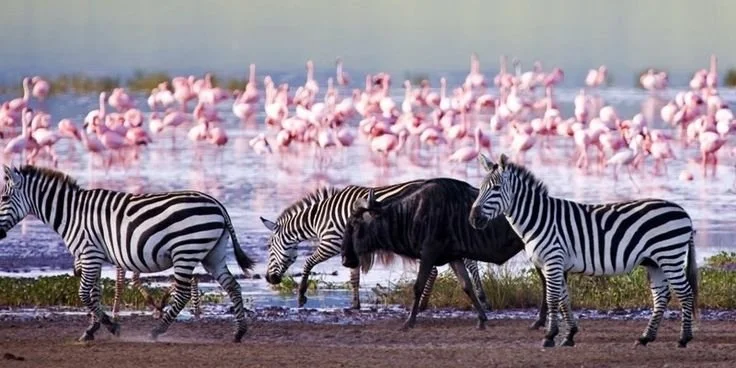
Lake Nakuru is world-renowned as the home of the pink flamingos. The shallow alkaline water supports abundant blue-green algae, which forms the primary diet of the lesser flamingo. The sight of thousands or even millions of these birds covering the lake’s surface is one of Africa’s most spectacular wildlife sights.
Two species of flamingos live here. The lesser flamingo is the more numerous, with its deep pink plumage and curved bill. The greater flamingo is slightly larger and paler, with a straight bill and a more varied diet that includes small invertebrates.
The flamingo population fluctuates throughout the year. They are highly nomadic birds, moving between different Rift Valley lakes depending on water levels and food availability. The best time to see flamingos in large numbers is during the dry season from June to February, when the lake’s water levels are lower and the algae concentration is higher.
If water levels rise significantly, flamingos may migrate to other soda lakes such as Bogoria or Natron. Even without vast flamingo numbers, the park remains one of Kenya’s most rewarding wildlife destinations.
Rhinos
Lake Nakuru is one of Kenya’s best rhino sanctuaries. The park hosts significant populations of both black and white rhinos. White rhinos prefer to graze on the short grass of the plains. Black rhinos are more nervous and tend to keep to thicker bush.
Rhino sightings are reliable here. Visitors regularly see rhinos resting under acacia trees by the lakeshore.
Rothschild’s Giraffe
The park is a sanctuary for the endangered Rothschild’s giraffe. This subspecies is distinguished by its lighter colouring and the lack of markings below the knees. It is one of the rarest giraffe subspecies in Africa.
Other Mammals
The park abounds with game. Huge herds of waterbuck, zebra, and Cape buffalo are common. The acacia woodlands shelter impala, bushbuck, and the shy waterbuck. To the south of the lake, Thomson’s and Grant’s gazelles dot the plains.
Carnivores are well represented. Lion, leopard, and cheetah are present, though sightings require patience. Spotted and striped hyenas hunt the grasslands. Jackals, civets, genets, and mongooses complete the predator community.
Primates
Olive baboons are the most visible primates, often seen foraging along the roadsides. Black-faced vervet monkeys are common in the acacia woodlands. Troops of black and white colobus monkeys occasionally prance through the trees.
Birds
Lake Nakuru is a birdwatcher’s paradise. Over 400 bird species have been recorded in the park. Beyond flamingos, you will see pelicans, herons, cormorants, eagles, and countless other waterbirds. The fish eagles are particularly dramatic, swooping down to catch fish from the lake’s surface.
Best Time to Visit Lake Nakuru National Park
Lake Nakuru’s elevation of approximately 1,750 metres gives it a mild and temperate climate throughout the year. Each season offers different advantages.
Dry Season: June to October
This is considered the best time for game drives. The weather is pleasant with clear skies. Wildlife congregates around the lake and remaining water sources, making sightings easier. The vegetation is thinner, so animals are more visible.
Flamingo numbers are often good at the start and end of this period. The dry season also coincides with the peak tourist season, so the park sees more visitors.
January to March
This period offers warm and dry conditions with spectacular flamingo gatherings. The dry, hot months of January and February are ideal for observing flamingos. Game drives are excellent, and the park is less crowded than during the mid-year peak.
November to December
The short rains bring fresh green scenery. This is an excellent time for photography, as the landscapes are lush and migratory birds have arrived. Crowds are smaller than in the dry season.
April to May
The long rains transform the park into a lush paradise. Birding is at its peak, as migratory species are present. Some roads may become muddy and difficult to navigate. Many lodges offer lower rates during this period.
Kwezi Recommendation: For first-time visitors, we recommend January or February. You get warm, dry weather, good flamingo numbers, excellent game viewing, and fewer crowds than the mid-year peak. For photographers, the wet season from November to December offers dramatic skies and lush green landscapes.
Safari Activities in Lake Nakuru National Park
Game Drives
Game driving is the primary activity in Lake Nakuru. The park’s compact size means you can cover the main wildlife areas in a few hours. Most visitors spend a full morning or afternoon on the lake circuit.
The best times for game drives are early morning, from 6:30 AM to 9:30 AM, and late afternoon, from 4:00 PM to 6:30 PM. The animals are most active during these cooler hours. The soft light is also best for photography.
Rhino Tracking
Rhino tracking is a major draw. The park’s rhino sanctuary covers much of the southern section. With a good guide, your chances of seeing both black and white rhinos are high.
Baboon Cliff Viewpoint
Baboon Cliff offers panoramic views of the lake and the surrounding Rift Valley escarpment. This is the classic postcard view of Lake Nakuru. The viewpoint is a short drive from the main gate and is accessible by any vehicle.
From the cliff, you can see the entire lake spread below you. On clear days, the flamingos appear as a pink ribbon along the shoreline.
Makalia Waterfall
Makalia Waterfall is located in the southern section of the park. The falls cascade over a rocky escarpment into a pool below. The area is a good spot for a picnic lunch between game drives.
Lion Hill
Lion Hill is another viewpoint offering stunning lake views. The hill is named for the lions that once rested here, though sightings are now rare. The climb to the top is steep but is rewarded with exceptional panoramas.
Walking Safaris
Guided walking safaris are available along the lake shore and in the acacia woodlands. Armed rangers lead the walks, focusing on tracks, plants, insects, and smaller wildlife. Walking safaris must be arranged in advance through the Kenya Wildlife Service or your lodge.
Cultural Visits
The area surrounding Lake Nakuru is home to several communities. Cultural visits can be arranged through local tour operators. You will learn about traditional farming, beadwork, and daily life in rural Kenya.
Best Locations for Wildlife Viewing in Lake Nakuru National Park
The Lake Shore
The lake shore is the best area for flamingo viewing. The birds feed in the shallow waters along the edges of the lake. The best access points are near the main gate and along the southern shore.
The lake shore also attracts other wildlife. Hippos are present in the lake, though they are more visible from a distance. Herons, egrets, and pelicans feed along the water’s edge.
The Rhino Sanctuary
The rhino sanctuary covers the southern section of the park. This is where you are most likely to see both black and white rhinos. The open plains make spotting easier.
The Acacia Woodlands
The acacia woodlands are a stronghold for Rothschild’s giraffes. Look for them browsing the treetops. The woodlands also shelter impalas, waterbucks, and vervet monkeys.
The Makalia Area
The area around Makalia Waterfall supports good populations of buffalo and waterbuck. The falls themselves are a scenic stop for a break between game drives.
Lake Nakuru Flamingos: What You Need to Know
The flamingos of Lake Nakuru are the park’s most famous attraction. But they are also the most unpredictable.
The flamingo population at Lake Nakuru has declined in recent years due to rising water levels. The lake’s alkalinity, which creates the algae that flamingos feed on, has been diluted by increased rainfall and upstream fresh water inflow. As a result, many flamingos have moved to other Rift Valley lakes where conditions are more favourable.
This does not mean you will not see flamingos. It means you should manage your expectations. Even if the vast pink carpets are not present, you will still see flamingos in smaller numbers. The park’s other wildlife more than compensates.
If flamingos are your absolute priority, consider combining Lake Nakuru with Lake Bogoria or Lake Natron. These lakes often host large flamingo populations when conditions at Nakuru are poor.
Kwezi Honest Note: We believe in managing expectations. The flamingos at Lake Nakuru are wonderful when present, but the park is exceptional even without them. The rhinos, Rothschild’s giraffes, lions, and landscapes make it a worthwhile destination regardless of the bird numbers.
Accommodations in Lake Nakuru National Park
Lake Nakuru offers accommodation ranging from budget campsites to luxury lodges. The following options are the most recommended.
Lake Nakuru Lodge
Lake Nakuru Lodge sits inside the park with panoramic views of the lake and wildlife. The lodge features 60 rooms, an outdoor swimming pool, a spa, and a restaurant serving African cuisine.
The lodge’s location is its greatest advantage. You can watch zebras and baboons from your private balcony. Wildlife often visits the lodge’s watering hole, providing intimate viewing opportunities.
Rates range from approximately USD 200 to USD 400 per person per night, depending on the season.
Lake Nakuru Sopa Lodge
Lake Nakuru Sopa Lodge sits on the hills marking the western edge of the Rift Valley. The lodge offers unobstructed views of the lake and the park. It features 60 rooms, including two wheelchair-accessible units, an outdoor swimming pool, and a restaurant.
The lodge is located 16 kilometres from the park gate. This adds some driving time to your game drives, but the views compensate. Rates range from USD 299 per night.
Sarova Lion Hill Game Lodge
Sarova Lion Hill Game Lodge is positioned on Lion Hill with sweeping views of the lake. The lodge offers 67 rooms, a swimming pool, and a restaurant. It is known for its excellent service and well-maintained grounds.
Flamingo Hill Camp
Flamingo Hill Camp offers tented accommodation inside the park. The camp has 25 tents, a swimming pool, and a restaurant. The tents are spacious and well-appointed. The camp’s location near the lake shore provides easy access to flamingo viewing areas.
Budget Campsites
For budget travellers, campsites operate both inside and outside the park. The public campsites inside the park are basic, with shared bathroom facilities. Private camps just outside the park offer better facilities at lower prices.
Kwezi Accommodation Note: We partner with all the lodges listed above and can recommend the best fit for your budget and preferences. Let us help you choose accommodation →
Getting to Lake Nakuru National Park
By Road from Nairobi
The drive from Nairobi to Lake Nakuru takes approximately three hours, covering 160 kilometres. The route follows the A104 highway northwest, passing through the town of Naivasha. The road is sealed and well-maintained.
The park has two main gates. The Main Gate is located on the eastern side of the park near the town of Nakuru. The Lanet Gate is located on the southern side. Most visitors use the main gate.
By Road from Maasai Mara
Many travellers combine Lake Nakuru with the Maasai Mara. The drive from the Mara to Nakuru takes approximately five to six hours. The route passes through Narok and the Rift Valley escarpment.
By Air
Flights operate from Nairobi’s Wilson Airport to Naishi Airstrip inside the park. The flight takes approximately 30 minutes. From the airstrip, your lodge will transfer you by vehicle.
The flight is the most expensive option but saves considerable time. A return flight costs approximately USD 300 to USD 500 per person.
Kwezi Logistics: We arrange all transport types based on your preferences and budget. Discuss transport options with us →
Sample Lake Nakuru Itineraries
1-Day Excursion from Nairobi
This itinerary works well for travellers with limited time.
Depart Nairobi early morning at 6:00 AM. Arrive at Lake Nakuru by 9:00 AM. Enter the park and begin your game drive along the lake shore. Stop for lunch at a lodge or picnic site. Continue game driving in the afternoon. Depart the park by 4:00 PM. Arrive back in Nairobi by 7:00 PM.
This day trip is long but feasible. You will have approximately five hours of game viewing.
2 Day Safari
This is the most common Lake Nakuru itinerary.
Day 1: Depart Nairobi in the morning. Arrive at your lodge in time for lunch. Afternoon game drive along the lake shore.
Day 2: Early morning game drive to catch the best light. Return to the lodge for breakfast. Optional second game drive or depart for Nairobi.
A two-day safari gives you one full afternoon and one full morning of game viewing. This is sufficient for a rewarding visit.
3 Day Safari
This itinerary allows for a more relaxed pace.
Day 1: Depart Nairobi in the morning. Check into your lodge. Afternoon game drive.
Day 2: Full day in the park. Morning game drive along the lake shore. Afternoon game drive in the rhino sanctuary or acacia woodlands.
Day 3: Early morning game drive. Return to the lodge for breakfast. Depart for Nairobi.
Three days allow you to cover the park thoroughly and add activities like rhino tracking or a visit to Makalia Waterfall.
Kwezi Customisation: All itineraries are fully customisable. Tell us how many days you have and what you want to prioritise. Request a custom Lake Nakuru itinerary →
Combining Lake Nakuru with Other Parks
Lake Nakuru works well in combination with other Kenyan destinations. The following circuits are the most popular.
Nairobi – Lake Nakuru – Maasai Mara
This is the classic Kenya safari circuit.
Nairobi: 1 night
Lake Nakuru: 1 to 2 nights
Maasai Mara: 3 to 4 nights
The total duration is 6 to 8 days. The drive from Nakuru to the Mara passes through the Rift Valley and Narok.
Nairobi – Lake Nakuru – Lake Naivasha – Amboseli
This circuit focuses on the Rift Valley and southern parks.
Nairobi: 1 night
Lake Nakuru: 1 to 2 nights
Lake Naivasha: 1 night (boat cruises and Crescent Island walking safari)
Amboseli: 2 to 3 nights
The total duration is 6 to 8 days.
Nairobi – Lake Nakuru – Samburu
This circuit adds northern Kenya’s unique wildlife.
Nairobi: 1 night
Lake Nakuru: 1 to 2 nights
Samburu: 2 to 3 nights
The total duration is 5 to 7 days.
Kwezi Multi Park Safaris: We specialise in combining multiple parks into seamless itineraries. Tell us your dream circuit →
Packing for Your Lake Nakuru National Park Safari
Clothing should be neutral coloured. Greens, khakis, and browns work well. Avoid bright whites, blues, and reds. Safari vehicles are open, so you will be exposed to dust and sun. Long sleeves and long trousers protect your skin.
Mornings and evenings are cool at Lake Nakuru’s elevation. Bring a fleece or light jacket. The day warms quickly after sunrise.
Footwear should be sturdy, closed-toe shoes. Walking safaris are available. Hiking boots or trail shoes are suitable.
Photography gear should include a camera with a zoom lens of at least 200mm. The lakeshore views often require longer focal lengths for bird photography. Extra batteries and memory cards are essential.
Binoculars are essential for bird watching and distant animal sightings.
Sun protection is critical. The equatorial sun burns quickly. Bring high SPF sunscreen, a wide-brimmed hat, and polarised sunglasses.
Insect repellent containing DEET is necessary from dusk onwards. Mosquitos are present year-round, especially near the lake.
A reusable water bottle is useful because most vehicles provide bottled water, and you need to stay hydrated during game drives.
Tipping is an expected part of the safari economy. For your guide, USD 10 to USD 15 per person per day is standard. For lodge staff, a communal tip of USD 5 to USD 10 per person per day is appropriate. Tip in cash, preferably US dollars or Kenyan shillings.
Lake Nakuru National Park Health, Safety, and Practical Information
Yellow fever vaccination is mandatory for entry into Kenya. You must present your yellow fever certificate upon arrival. The vaccination must be administered at least ten days before travel.
Malaria prophylaxis is strongly recommended. Consult your travel doctor before departure. Lake Nakuru’s elevation reduces mosquito risk but does not eliminate it. Use mosquito repellent, sleep under the provided nets, and cover your skin from dusk.
Travel insurance that covers medical evacuation is essential. The nearest major hospital is in Nairobi. Medical evacuation insurance provides peace of mind.
Safety during game drives is straightforward. Stay inside the vehicle unless your guide instructs otherwise. Keep your arms and head inside when animals are close. Speak quietly during sightings. Follow your guide’s instructions without question.
Connectivity in Lake Nakuru is better than in more remote parks. Most lodges offer WiFi in the main areas. Mobile phone coverage is available in most parts of the park.
Electricity for charging devices is available in all accommodations. Bring a universal adapter for Kenyan sockets, which use the British standard three rectangular pin plug.
Cash is necessary for tips, souvenirs, and any village visits. Credit cards are accepted at lodges. US dollars are accepted but must be printed in 2013 or later and be in pristine condition. Kenyan shillings are preferred for small purchases and tips.
The park does not have a bank or ATM inside. Bring sufficient cash before arriving.
People Also Ask About Lake Nakuru National Park
Q: What is Lake Nakuru National Park best known for?
A: Lake Nakuru is best known for its flamingo populations and as a rhino sanctuary. The shallow alkaline lake supports millions of lesser and greater flamingos when conditions are favourable. The park also hosts significant populations of both black and white rhinos, making it one of Kenya’s best rhino viewing destinations.
Q: How much are the entry fees for Lake Nakuru National Park in 2026?
A: For non-resident adults, entry fees are USD 90 per 24-hour period. Child fees for ages 3 to 17 are USD 45. Kenyan citizens and East African residents pay KES 1,500 for adults and KES 750 for children.
Q: What is the best time to see flamingos at Lake Nakuru?
A: The best time to see flamingos is during the dry season from June to February. The water levels are lower, concentrating the algae that flamingos feed on. January and February are particularly good for flamingo viewing. Flamingo populations fluctuate based on water levels and food availability.
Q: Can I see rhinos at Lake Nakuru?
A: Yes. Lake Nakuru is one of Kenya’s best rhino sanctuaries. The park hosts significant populations of both black and white rhinos. Sightings are reliable, especially in the southern section of the park.
Q: How many days do I need in Lake Nakuru?
A: One to two days is sufficient for most visitors. A one-day excursion from Nairobi is possible but long. A two-day safari gives you one full afternoon and one full morning of game viewing. Three days allow for a more relaxed pace.
Q: Is Lake Nakuru worth visiting without flamingos?
A: Yes. Even without large flamingo numbers, the park offers exceptional wildlife viewing. Rhinos, Rothschild’s giraffes, lions, leopards, buffalo, and over 400 bird species make the park a worthwhile destination regardless of the flamingo population.
Q: What is the best time of year for game drives at Lake Nakuru?
A: The dry season from June to October offers the best game viewing. The weather is pleasant with clear skies. Wildlife congregates around the lake and water sources. The vegetation is thinner, making animals easier to spot.
Q: Can I combine Lake Nakuru with a visit to the Maasai Mara?
A: Yes. This is a classic Kenya safari circuit. The drive from the Mara to Nakuru takes approximately five to six hours. The combined itinerary typically includes 1 to 2 nights at Lake Nakuru and 3 to 4 nights in the Maasai Mara.
Q: What should I pack for Lake Nakuru?
A: Pack neutral-coloured clothing, a fleece or light jacket for cool mornings, sturdy closed-toe shoes, sunscreen, a hat, insect repellent, binoculars, and a camera with a zoom lens.
Q: Do I need a visa for Kenya?
A: Most nationalities require an e-visa to be applied for online before travel. The standard tourist visa costs approximately USD 51 and allows 30 days of travel. Apply well in advance.
Q: Is Lake Nakuru suitable for a family safari?
A: Yes. The park’s compact size means minimal driving between sightings. The wildlife is abundant and varied. Many lodges offer family suites and children’s programmes. The minimum age for game drives varies by lodge but is typically 6 to 8 years.
Q: What is the difference between Lake Nakuru and Lake Naivasha?
A: Lake Nakuru is a soda lake inside a national park, famous for flamingos and rhinos. Lake Naivasha is a freshwater lake outside a national park, known for hippo boat cruises and walking safaris on Crescent Island. Many travellers visit both on a Rift Valley circuit.
Start Planning Your Lake Nakuru National Park Safari.
Lake Nakuru National Park delivers reliable wildlife viewing in a compact, accessible package. The rhinos are among the most reliably seen in Kenya. The Rothschild’s giraffes are a rare treat. The flamingos, when present, are spectacular. The landscapes, framed by the Rift Valley escarpment, are breathtaking.
Kwezi Adventures has been designing custom Lake Nakuru safaris for over a decade. We know the best times for rhino sightings. We know which lodges offer the easiest access to the prime wildlife areas. We know how to time your visit for optimal flamingo viewing.
Ready to explore Kenya’s Rift Valley jewel?
Contact Kwezi Adventures today. Tell us your travel dates, your wildlife priorities, and your preferred accommodation style. We will create a custom itinerary that maximises your time in this remarkable park. Your encounter with Lake Nakuru’s flamingos and rhinos awaits.
