
Start Planning Your Safe Uganda Safari.
Kwezi Adventures designs safaris with your health and safety in mind. Explore our safari packages →
Introduction
Uganda is a country of extraordinary biodiversity. The forests teem with primates. The savannahs support lions and elephants. The wetlands host the prehistoric shoebill stork. And the insect life is equally diverse, numbering thousands of species across the country's varied ecosystems.
Most of these insects are harmless. Some are beautiful. A few, however, carry diseases that travellers should understand and prepare for.
This guide covers the dangerous insects in Uganda that travellers are most likely to encounter, including tsetse flies, mosquitoes, jiggers, and biting flies. We explain the diseases they carry, prevention strategies, and what to do if you are bitten. The information draws from official health sources and on-the-ground experience.
Mosquitoes
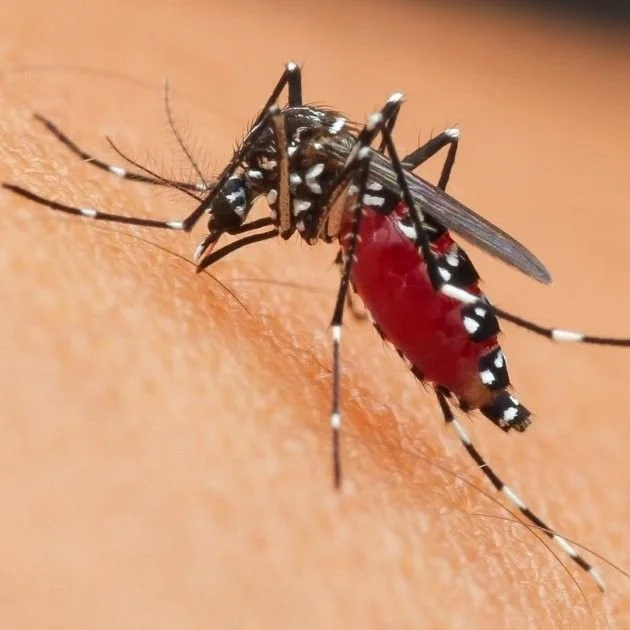
Mosquitoes are responsible for the most significant health risk for travellers to Uganda. The country ranks third globally in malaria cases, accounting for 4.7 per cent of global infections and 2.7 per cent of related deaths. In 2025 alone, Uganda recorded approximately 11.7 million malaria cases and 2,342 deaths, with more than half occurring among children under five.
The female Anopheles mosquito is the primary vector for malaria transmission. These mosquitoes feed between dawn and dusk but may also bite at night, especially in jungle environments.
Diseases Carried by Mosquitoes
Malaria: The most significant mosquito-borne disease in Uganda. Malaria is preventable and treatable, yet it continues to place a heavy burden on the population.
Other Mosquito-Borne Diseases: Travellers should also be aware of the risk of dengue, chikungunya, and Zika, all of which are present in Uganda.
Prevention Strategies
The CDC recommends several measures to prevent mosquito bites:
Cover exposed skin by wearing long-sleeved shirts, long pants, and hats.
Use an insect repellent that contains 20% or more DEET for protection that lasts up to several hours
Use permethrin-treated clothing and gear
Stay and sleep in air-conditioned or screened rooms
Use a bed net if the area where you are sleeping is exposed to the outdoors.
The Ministry of Health has rolled out a nationwide mosquito net campaign as part of Uganda's Malaria Elimination Strategic Plan. The campaign aims to distribute 25.8 million long-lasting insecticide-treated nets across 130 districts.
Malaria Prophylaxis
Malaria prophylaxis is strongly recommended for all travellers to Uganda. Consult your travel doctor before departure to determine the right medication for you.
Tsetse Flies
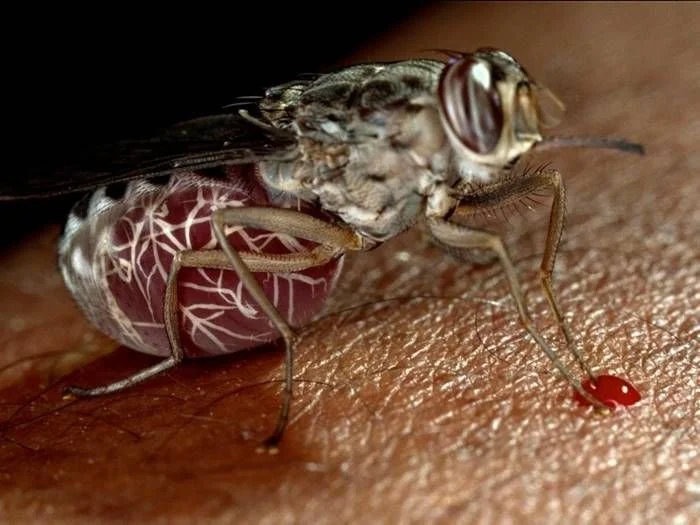
Tsetse flies are perhaps the insect most commonly mentioned in discussions about dangerous insects in Uganda. These flies are the vector for African sleeping sickness, a disease caused by the parasite Trypanosoma brucei.
Distribution
Tsetse flies are found in specific areas of Uganda. They are particularly present in Murchison Falls National Park, where blue and black traps are visible throughout the reserve. One traveller noted: "You'll definitely meet tsetse flies in Murchison Falls National Park at the top of the falls; they sting but do not cause sleeping sickness."
African Sleeping Sickness
In Uganda, both subspecies of Trypanosoma brucei (the West and Central African T.b. gambiense and the East African T.b. rhodesiense) are known to cause disease. Though the onset of illness in the rare T.b. rhodesiense is more acute, the illness these two strains cause is similar, beginning with nonspecific symptoms of headache, fever, and fatigue before progressing to severe neurological symptoms and ultimately coma and death.
Prevention
For tsetse flies, the following measures are recommended:
Wear neutral-coloured clothing. Dark blue and black clothing should be avoided, as it attracts tsetse flies.
Wear long-sleeved shirts and long trousers.
Use insect repellent
Keep vehicle windows closed when driving through tsetse fly areas
Actual Risk to Travellers
While the disease sounds alarming, the actual risk to travellers is extremely low. One local expert noted, "I was born and raised in Uganda, and I only hear about sleeping sickness, but I haven't seen or heard anyone suffering from it. Sometimes I think it's like history. The same to tourists: we have had several trips to tsetse fly areas but not a single case of tourists contracting sleeping sickness."
Tsetse fly traps are prevalent in Murchison Falls National Park. Research suggests that small versions of these traps can decrease the prevalence of the tsetse fly in a given area by up to 90 per cent.
Jiggers (Chigoe Fleas)
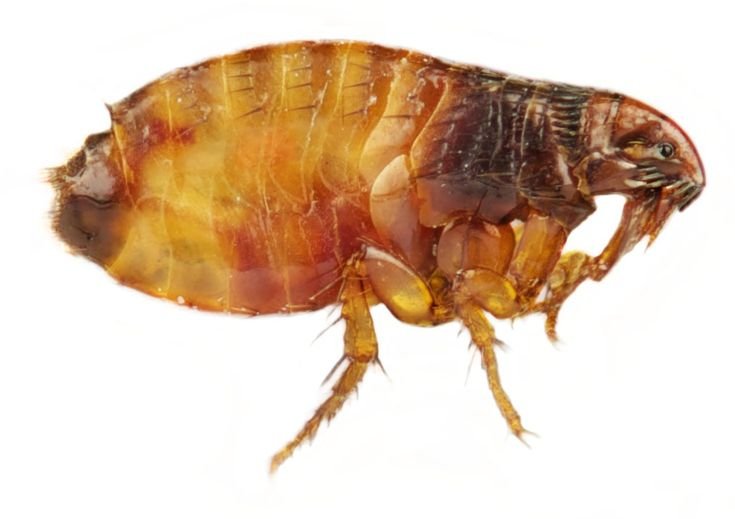
Jiggers, also known as chigoe fleas (Tunga penetrans), are small fleas that burrow into the skin. They are not typically a risk for tourists but are a significant public health issue in rural communities.
Symptoms and Impact
Female jiggers burrow into the surface of the skin, lay eggs, and create egg sacks that can grow to the size of a pea. The wounds are painful and can cause difficulties with walking, playing, and attending school. The infection can lead to severe inflammation, ulceration, fibrosis, lymphangitis, gangrene, sepsis, and the loss of toenails.
In the Napak district, more than 500 children and elderly persons were recently affected by jigger infestation, with some unable to walk and others unable to sit.
Prevention for Travellers
Travellers are unlikely to encounter jiggers, as they are typically found in rural areas with dirt floors and among livestock. To avoid them:
Wear closed shoes
Avoid walking barefoot
Stay in accommodation with solid floors
Biting Flies
Uganda has recently experienced invasions of various biting flies, including Tabanus, Stomoxys, and Chrysops flies.
Current Situation
In Madi-Okollo district in the West Nile region, a plague of unusual flies has infested Pawor and Okollo sub-counties over the past two months. The tiny, black flies predominantly target the legs and arms, leaving behind blood and causing itchiness similar to scabies.
Similarly, the Luweero district may experience an increase in biting flies due to climatic changes. The prevailing climate offers a conducive environment for the flies to lay eggs, which may be dangerous to humans and animals.
Prevention
For biting flies, travellers should:
Apply insect repellent
Wear long trousers and long-sleeved shirts
Close vehicle windows when in affected areas
Giant African Land Snail
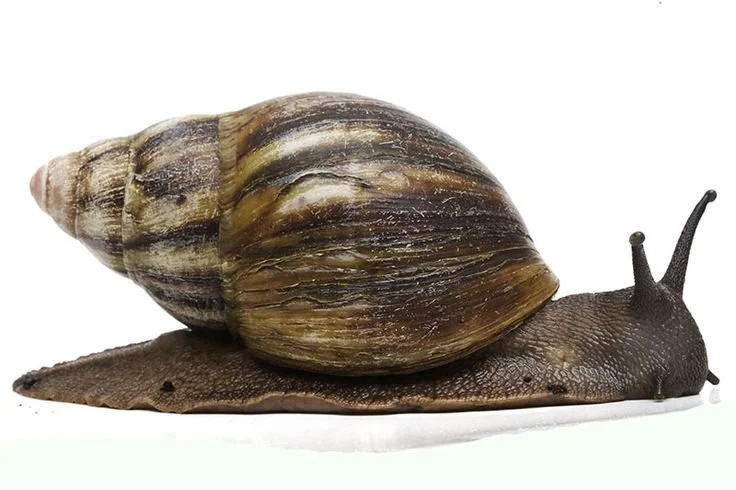
While not dangerous to humans, the giant African land snail (Achatina achatina) is worth mentioning as a fascinating creature you might encounter. Found in cooler, moist forested areas such as Kibale National Park, this species is among the largest land snails in the world, reaching a maximum length of 30 cm and weighing more than 1 kg.
Indigenous Mosquito Repellents
Communities in Uganda have long used traditional methods to repel mosquitoes. A study in the West Nile subregion documented 42 plant species used as mosquito repellents.
The most commonly used plants include:
Azadirachta indica (Neem)
Boswellia papyrifera
Aeschynomene americana
Mesosphaerum suaveolens
Ocimum gratissimum
The most common indigenous method involves burning either dry cow dung (32%) or dry goat droppings (20%).
Catnip-Based Repellent
A recent collaboration between researchers from Wales and Uganda has developed an affordable and highly effective mosquito repellent distilled from locally grown catnip plants. The catnip-based repellent skin lotion is just as effective as DEET and offers a much cheaper alternative for preventative action against mosquito-borne diseases.
General Prevention for All Insects
Clothing and Repellent
Wear neutral-coloured clothing (not dark blue or black)
Wear long-sleeved shirts and long trousers.
Apply insect repellent with at least 20% DEET
Use permethrin-treated clothing and gear
Accommodation
Stay in air-conditioned or screened rooms
Use mosquito nets in exposed areas
Check your accommodation for insect screens.
After Bites
Avoid scratching bug bites
Apply hydrocortisone cream or calamine lotion to reduce itching.
Check your entire body for ticks after outdoor activity.
People Also Ask About Dangerous Insects in Uganda
Q: What are the most dangerous insects in Uganda?
A: Mosquitoes pose the greatest health risk as they transmit malaria, dengue, and chikungunya. Tsetse flies are also a concern, though the actual risk of sleeping sickness for tourists is extremely low. Other biting flies and jiggers (chigoe fleas) are present but primarily affect rural communities.
Q: Should I be worried about tsetse flies in Uganda?
A: Tsetse flies are present in some areas, particularly Murchison Falls National Park, and their bites can be painful. However, the risk of contracting sleeping sickness is extremely low for tourists. Locals report not knowing anyone who has contracted the disease from a tsetse bite.
Q: How can I avoid tsetse flies?
A: Wear neutral-coloured clothing (avoid blue and black), wear long-sleeved shirts and trousers, apply insect repellent, and keep vehicle windows closed in affected areas.
Q: Do I need malaria prophylaxis for Uganda?
A: Yes, malaria prophylaxis is strongly recommended for all travellers to Uganda. Consult your travel doctor before departure.
Q: How effective are mosquito nets?
A: Consistent use of long-lasting insecticide-treated nets can reduce malaria transmission by up to 50 per cent, as well as lower morbidity and mortality rates by about 25 per cent.
Q: Are there natural mosquito repellents in Uganda?
A: Yes, communities in Uganda use traditional methods, including burning dried cow dung and goat droppings, as well as plants like neem and catnip. A new catnip-based lotion has been developed that is as effective as DEET.
Q: What should I pack to protect myself from insects in Uganda?
A: Pack insect repellent with DEET, long-sleeved shirts, long trousers, neutral-coloured clothing, and a bed net. Permethrin-treated clothing is also recommended for additional protection.
Q: What should I do if I am bitten by a tsetse fly?
A: Tsetse fly bites are generally harmless. Clean the bite area with soap and water. If you develop symptoms such as fever, headache, or fatigue, consult a medical professional.
Start Planning Your Safe Uganda Safari.
Understanding the insects you might encounter in Uganda is part of responsible travel planning. Most travellers visit Uganda without experiencing significant insect-related health issues. With simple precautions, you can focus on the extraordinary wildlife, landscapes, and cultures that make Uganda one of Africa's most rewarding destinations.
Kwezi Adventures designs safaris with your health and safety in mind. We select lodges with good insect protection, provide guidance on appropriate clothing and repellents, and ensure you are prepared for your journey.
Ready to explore Uganda's wildlife? Contact Kwezi Adventures today.
