
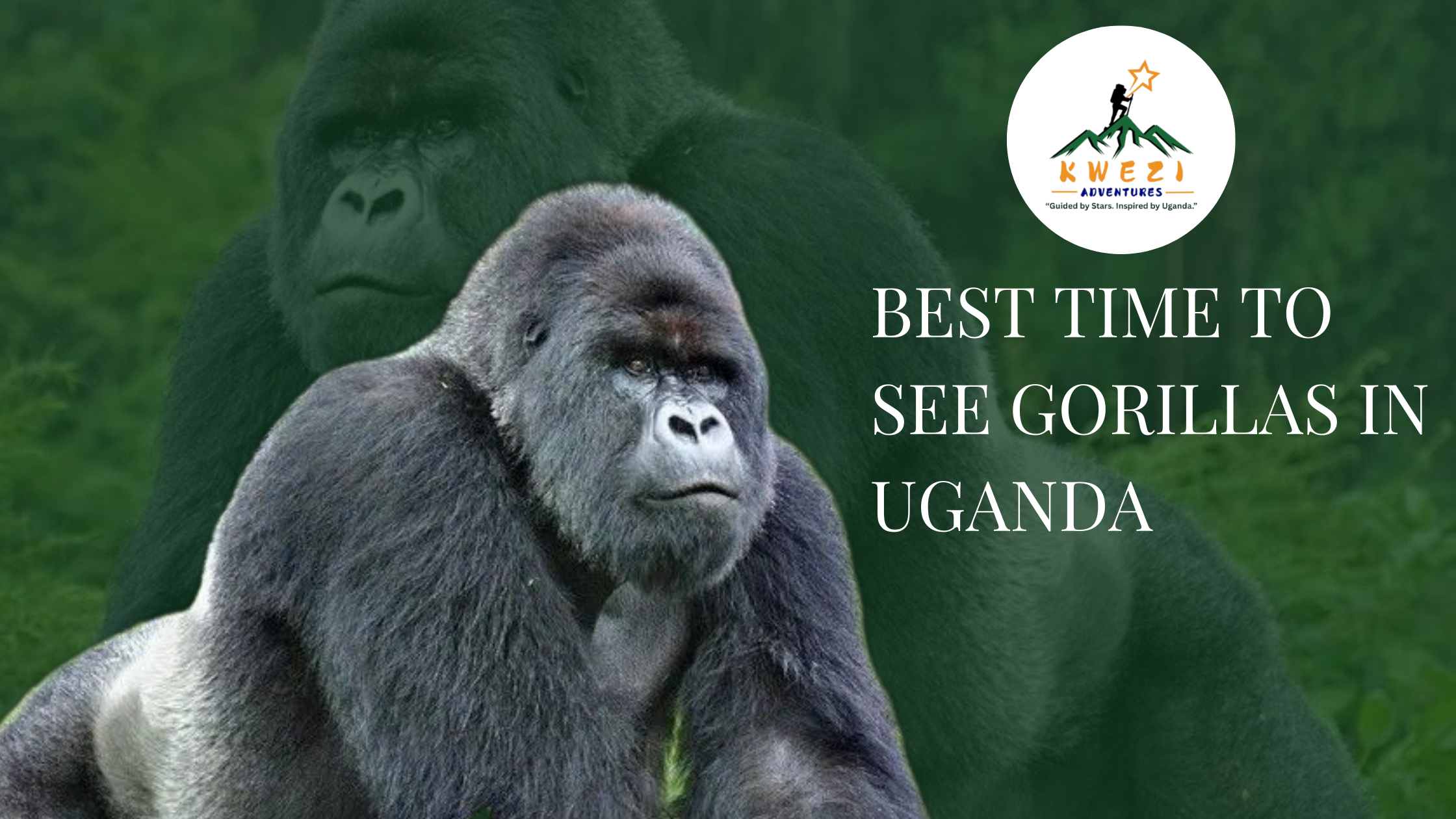
Best Time to See Gorillas in Uganda
You've made the monumental decision to trek into the misty mountains of Bwindi Impenetrable National Park in Uganda for a face-to-face encounter with mountain gorillas, one of the world's most profound wildlife experiences. But now comes the crucial question: When should I go? A quick search leaves you tangled in conflicting advice about rainy seasons, dry seasons, and permit availability.
This guide will cut through the confusion. We'll break down the pros and cons of each season, not just for weather, but for gorilla behavior, trekking conditions, and your overall experience. By the end, you'll be equipped with all the knowledge to confidently book your trip for the absolute best time to see gorillas in Uganda for you.
We'll begin with a brief overview of Uganda's two main seasons, followed by a detailed month-by-month analysis. We'll also cover essential factors, such as permit costs and what to pack, and answer the most common questions travelers have. Let's find your perfect trekking window.
Understanding Uganda's Climate: The Two Seasons
The Dry Seasons (Primary Trekking Windows)
Long Dry Season: June to August and December to February.
Characteristics: Lower rainfall, muddier but more stable trails, clearer skies.
Why it's popular: Easier hiking, lower chance of rain during the trek, better photography light.
The Wet Seasons (The Green & Quiet Seasons)
Long Wet Season: March to May.
Short Wet Season: September to November.
Characteristics: Lush vegetation, occasional heavy rains, fewer tourists.
The hidden advantages: Vibrant scenery, easier permit availability, and potential discounts.
Month-by-Month Guide to Gorilla Trekking in Uganda
January & February: Peak of the Dry Season
Conditions: Dry, sunny, and cool in the highlands.
Gorilla behavior: Tend to stay at lower elevations for easier foraging.
Pros & Cons: Excellent conditions, but high demand and the highest permit costs.
March, April & May: The Long Rains
Conditions: Heaviest rainfall, dense foliage, slippery trails.
Gorilla behavior: Can be harder to locate as they range widely for food.
Pros & Cons: Lowest tourist crowds, lush landscapes, but the most challenging trekking.
June, July & August: The Prime Dry Window
Conditions: Considered the absolute best time to see gorillas in Uganda by many.
Gorilla behavior: Predictable movements, often found on slopes.
Pros & Cons: Ideal trekking weather, but peak season means booked-out permits and lodges.
September, October & November: The Short Rains
Conditions: Intermittent showers, generally warm, landscapes still green.
Gorilla behavior: Active and easier to track than in long rains.
Pros & Cons: A fantastic balance of good weather, availability, and value (shoulder season).
Beyond the Weather: Other Critical Factors
Gorilla Permit Availability and Cost
How seasons affect permit scarcity and price: The Uganda Wildlife Authority (UWA) sets fixed prices for gorilla trekking permits, ensuring consistency throughout the year. However, tour package costs may vary due to seasonal factors like accommodation rates and demand. Understanding these dynamics will help you budget more accurately for your trip, and you might find more affordable overall packages during the wet seasons.
The non-negotiable: Booking permits well in advance (6-12 months for the dry season).
Combining Your Trek with Other Safari Activities
Best seasons for chimpanzee tracking in Kibale.
Optimal wildlife viewing in Queen Elizabeth and Murchison Falls National Parks.
Pro Tips for Your Trek, Regardless of Season
What to Pack: Dry vs. Wet Season Essentials
Universal items: Waterproof daypack, gardening gloves, sturdy boots.
Wet-season add-ons: Quality rain pants, gaiters, and quick-dry clothing.
Physical Fitness and Choosing Your Gorilla Family
How trek difficulty changes with the seasons.
Communicating your fitness level to guides for a suitable family assignment.
People Also Ask About Gorilla Trekking in Uganda
Q: What is the absolute worst time to see gorillas in Uganda?
A: April and May (peak of long rains) are the most physically challenging due to heavy daily rainfall and very slippery trails. However, it's still possible and offers unique rewards.
Q: Can I see gorillas in Uganda all year round?
A: Yes! Gorilla trekking operates every single day of the year. The experience is profoundly rewarding in any season; it simply depends on your preferences for weather and crowds.
Q: How far in advance should I book a gorilla permit?
A: For the dry seasons (Jun-Aug, Dec-Feb), aim for 9-12 months in advance. For wet seasons, 3-6 months is often sufficient, but earlier is always safer.
Q: Is there a guaranteed refund if it rains on my trekking day?
A: No. Treks go ahead, rain or shine. Permits are only refunded or rearranged under extreme circumstances (like park closure), not for typical rain. Come prepared!
Q: Are there any recommended brands or local shops for trekking gear in Uganda?
A: For major brands (like Merrell, Columbia, and The North Face), it's best to purchase high-quality, broken-in hiking boots and technical rain gear at home. In Kampala, you can find essentials and local brands at shops like Uganda Sport (Lugogo Bypass) or various stores in Kampala Road shopping malls. However, selection can be limited and prices high. Renting waterproof pants or gaiters is sometimes possible through your tour operator with advance notice.
Q: How exactly do I book a gorilla permit directly, through a tour operator, or both?
A: You have two main paths:
Through a Licensed Tour Operator (Recommended): This is the easiest and most secure method. Reputable operators handle the entire permit application and payment to the Uganda Wildlife Authority (UWA) and provide the required transport, guides, and lodging. They guarantee the permit is legitimate.
Directly with UWA: You can contact UWA via their website and attempt to wire payment. This is administratively complex, carries more risk if communication fails, and still requires you to independently arrange all other logistics. For most international travelers, using a trusted operator is the safest and most efficient route.
Q: Are there any health precautions or vaccinations required for gorilla trekking in Uganda?
A: Yes, this is critical. A yellow fever vaccination certificate is mandatory for entry into Uganda. Essentially, recommended vaccinations include Hepatitis A & B, Typhoid, and routine boosters (MMR, DTP). Malaria prophylaxis is a must, as the trekking regions are endemic. Crucially, due to our shared genetics, gorillas are highly susceptible to human diseases. You must trek if you have any contagious illness (cold, flu, etc.), and maintaining a distance of 7-10 meters is a rule designed to protect them.
Q: What is the typical total cost range for a gorilla trek, including permits, guides, and accommodation?
A: Costs vary dramatically based on style and season. The gorilla permit alone is a fixed $800 per person for foreign non-residents. For a total trip:
Budget (3-4 days): ~$1,200 - $1,800 per person. Includes basic lodging, 1 trek, and shared transport.
Mid-Range (5-7 days): ~$2,500 - $4,500 per person. Includes comfortable lodges, a gorilla trek, other activities (chimpanzee tracking, safari), and private guides/drivers.
Luxury (7+ days): $5,000 - $10,000+ per person. Features high-end lodges, multiple treks, exclusive experiences, and private charter flights.
Always ensure the tour package price explicitly includes the permit cost.
Conclusion: Your Perfect Time Awaits
So, what is the best time to see gorillas in Uganda? The answer isn't one-size-fits-all. If you prioritize flawless weather and don't mind crowds and high prices, target the dry seasons of June-August or January-February. If you seek value, lush greenery, and solitude, and don't mind a bit of adventure with the rain, the shoulder months of September-November are a brilliant choice.
Ultimately, there is no bad time to stand in the presence of a mountain gorilla family. The mist, the rain, the mud; it's all part of the authentic, raw beauty of their habitat. By aligning your trek with the seasonal insights above, you're not just picking dates; you're crafting the specific flavor of an unforgettable journey you'll cherish forever. Start planning, book that permit, and get ready for the adventure of a lifetime.
