
Best Time of Year for Authentic Cultural Immersion in Uganda
Start Your Cultural Journey
Kwezi Adventures designs authentic cultural experiences across Uganda's diverse regions. Explore our cultural tour packages →
Introduction
You have decided to experience Uganda's rich cultural heritage. The question that follows is simple but critical: when is the best time to go?
Timing is relevant for cultural immersion. Unlike gorilla trekking, which focuses on physical conditions, cultural experiences depend on festivals, agricultural cycles, community availability, and travel accessibility. The best time for authentic cultural immersion in Uganda is not a single season. It depends on which communities you want to visit and what experiences you seek.
The dry seasons from December to February and June to August offer the most reliable travel conditions. Roads are passable. Village trails are firm. Cultural events and festivals are often scheduled during these months. However, the rainy seasons from March to May and September to November offer unique advantages: lush landscapes, fewer tourists, and the chance to witness agricultural cycles that define rural life.
This guide covers the best time for cultural immersion across Uganda's diverse regions. We break down seasonal considerations, major festivals, and practical tips for planning your cultural safari. The information comes from verified tour operators, travel guides, and on-the-ground experience.
Why Timing Matters for Cultural Immersion
Cultural immersion in Uganda is different from wildlife viewing. The experience depends on more than weather conditions. It depends on:
Festival Schedules: Major cultural events such as the Nyege Nyege Festival, Uganda Martyrs Day, and the Karamoja Cultural Festival take place on specific dates each year. Your timing determines whether you can attend.
Agricultural Cycles: Village life in Uganda follows the rhythm of planting and harvesting. The rainy seasons bring vibrant agricultural activity, offering genuine glimpses into rural life. The dry seasons bring different activities.
Community Availability: During planting and harvest seasons, community members may be less available for tourism activities. Understanding these rhythms helps you plan respectful engagement.
Travel Accessibility: Remote villages become challenging to reach during heavy rains. A 4x4 vehicle is essential, but some roads become impassable.
Tourist Crowds: Peak tourist seasons bring more visitors to popular sites. The shoulder seasons offer fewer crowds and more intimate cultural experiences.
Best Seasons for Cultural Immersion
Dry Season: December to February and June to August
The dry seasons are the most popular time for cultural travel in Uganda. They offer the most reliable conditions for visiting communities across the country.
Advantages:
Roads are passable, even in remote areas.
Village trails are firm and walkable.
Clear skies for photography
Many cultural festivals are scheduled during these months.
Schools are on holiday, making village visits livelier.
Considerations:
Tourist numbers are higher.
Accommodation prices are at their peak.
Some cultural events are less frequent due to agricultural downtime.
Best Destinations During Dry Season:
Kasubi Royal Tombs in Kampala (open year-round, but the weather is more comfortable)
Karamoja cultural tours (dry season recommended for travel)
Buganda Kingdom heritage sites
Sipi Falls and Mount Elgon villages
Wet Season: March to May and September to November
The wet seasons offer different advantages for cultural immersion. While travel is more challenging, the rewards can be greater.
Advantages:
Lush green landscapes are stunning for photography.
Fewer tourists mean more intimate cultural encounters.
Lower accommodation prices
Agricultural activity is at its peak, offering genuine village experiences.
Birdwatching is excellent if you combine culture with nature.
Considerations:
Roads can be muddy and impassable.
Some cultural sites may be inaccessible.
Outdoor festivals are less frequent.
Community members may be busy with farming.
Best Destinations During Wet Season:
Kampala cultural sites (urban areas remain accessible)
Sipi Falls (waterfalls are more powerful)
Community village visits (agricultural activity is vibrant)
Shoulder Seasons: March and September
The transitional months offer a compromise between dry and wet conditions.
Advantages:
Good weather with occasional rain
Fewer tourists than in peak seasons
Reasonable prices
Cultural events are sometimes scheduled.
Considerations:
The weather can be unpredictable.
Some roads may still be muddy.
Major Cultural Events and Their Timing
Uganda Martyrs Day
June 3rd is one of Uganda's most significant religious and cultural events. Nearly one million pilgrims gather at the Namugongo Martyrs Shrine to commemorate 22 Christian martyrs executed between 1885 and 1887 for refusing to renounce their faith. The event spans an entire week, featuring cultural performances, prayer services, and processions.
Nyege Nyege Festival
Uganda's most internationally recognized cultural event takes place in Jinja along the Nile River. This four-day music festival typically occurs in September, though some editions have been scheduled for November. It features African electronic music, traditional dance forms, and experimental sounds from artists across the continent.
Kampala City Festival
Held annually in October, this is one of East Africa's largest public celebrations. The festival transforms Uganda's capital into a massive street party with music performances, dance troupes, fashion shows, art exhibitions, and culinary offerings. It celebrates Uganda's contemporary creative energy and cultural diversity.
Karamoja Cultural Festival
This celebration takes place in September in northeastern Uganda. It offers travelers a rare window into the traditions of the Karamojong people, one of Uganda's most distinctive ethnic groups. Visitors witness traditional dances, music, ceremonies, and displays of craftsmanship.
Bayimba International Festival of the Arts
This multisectoral festival typically takes place in Kampala around August or September. It brings together local and international artists for music performances, theatrical productions, contemporary dance, film screenings, and visual arts exhibitions.
Kabaka's Birthday Celebration
The Buganda Kingdom celebrates the Kabaka's birthday annually. The event features traditional performances and ceremonies at various Buganda heritage sites, including the Kasubi Royal Tombs.
Buganda Cultural Festival
Usually held in July or August, this festival features traditional music, dance, and food celebrating Buganda heritage.
Tobong'u Lore Festival
This celebration explores the rich traditions of the Turkana people in northeastern Uganda.
Amakula International Film Festival
Held in March, this festival celebrates African cinema through film screenings, workshops, and interactions with filmmakers.
Rolex Festival
Held around August in Kampala, this culinary exhibition celebrates Uganda's beloved street food, the Rolex (an omelet rolled in chapati).
Independence Day
October 9th is Uganda's Independence Day, celebrated with cultural shows, music, and parades across the country.
Royal Ascot Goat Races
This whimsical August charity gathering in Kampala features competitive goat racing alongside fashion competitions.
Janan Luwum Day
February 16th commemorates Archbishop Janan Luwum, a Ugandan religious figure.
NRM Liberation Day
January 26th is a national holiday with cultural celebrations.
Regional Timing Considerations
Karamoja Region
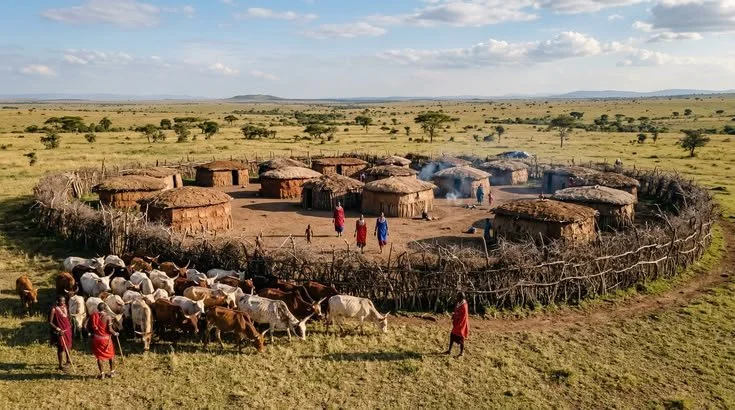
The Karamojong region is semi-arid, and the dry season from September to March offers easier travel and wildlife viewing. Traditional events and ceremonies are more prevalent during this period. However, the region can become quite hot during the day, so early mornings and late afternoons are best for activities.
For a Karamojong cultural tour, the dry season from June to September and December to February offers the most favorable travel conditions.
Buganda Kingdom (Central Uganda)
The Kasubi Royal Tombs are open year-round, but the dry seasons from June to August and December to February offer the most comfortable visiting conditions. The short rainy season from September to November is milder than the long rains.
For Kampala cultural sites, the dry seasons are ideal for exploring the city.
Mount Elgon and Sipi Falls
Sipi Falls is open all year and fits well into any Uganda safari itinerary. The dry season is best for hiking, while the rainy season makes the waterfalls more powerful.
Jinja and the Nile
Jinja experiences rainfall from March through May, September, and November. The dry season from December through January and June through August is best for outdoor cultural activities and festivals like Nyege Nyege.
Northern Uganda and Acholi Culture
The dry seasons are best for visiting Gulu and other northern cultural sites. Roads in the region can become impassable during heavy rains.
Combining Culture with Wildlife
Many travelers combine cultural experiences with wildlife viewing in Uganda's national parks. The dry seasons from June to August and December to February are optimal for both.
Combination Itineraries:
Buganda Heritage + Gorilla Trekking: Visit Kasubi Tombs in Kampala, then travel to Bwindi for gorilla trekking. Dry seasons work best for both.
Karamoja Culture + Kidepo Wildlife: Combine Karamoja cultural tours with game viewing in Kidepo Valley National Park. Dry seasons offer easier travel and more cultural events.
Jinja Culture + White Water Rafting: Visit Jinja for the Source of the Nile and cultural experiences, combined with rafting. Dry seasons have more predictable water levels for rafting.
Sipi Falls Culture + Mount Elgon Hiking: The Sipi area offers both cultural experiences and hiking. The dry season is best for hiking.
Practical Tips for Cultural Immersion
Before You Go
Check festival dates: Confirm specific dates locally, as some events vary based on religious calendars.
Book during shoulder seasons: March and September offer a compromise between good weather and fewer tourists.
Consider village seasonality: The rainy seasons bring vibrant agricultural activity, offering genuine glimpses into rural life.
Plan for remote areas: For Karamoja and other remote regions, a 4x4 vehicle is essential, especially during the rainy season.
During Your Visit
Dress modestly: Cover shoulders and knees when visiting villages or sacred sites.
Learn basic greetings: "A-jono" means hello in the Karamojong language.
Respect local customs: In Karamoja, livestock has deep cultural significance. Show respect for local traditions and avoid offending cultural sensitivities.
Use local guides: Reputable operators with local guides ensure safety and authentic experiences.
Cultural Festival Etiquette
Arrive early: Major festivals like Uganda Martyrs Day attract nearly one million pilgrims. Plan accordingly.
Ask before photographing: Seek permission before taking photographs of people or private spaces.
Participate respectfully: When invited to join dances or activities, accept with a positive spirit.
People Also Ask About the Best Time for Cultural Immersion in Uganda
Q: What is the best time of year for cultural immersion in Uganda?
A: The best time for cultural immersion depends on what you want to experience. The dry seasons from December to February and June to August offer the most reliable travel conditions and many cultural festivals. The wet seasons from March to May and September to November offer lush landscapes, fewer tourists, and vibrant agricultural activity.
Q: What is the best month for cultural festivals in Uganda?
A: Major festivals are spread across the year. June features Uganda Martyrs Day. July and August feature the Buganda Cultural Festival and Royal Ascot Goat Races. September features the Nyege Nyege Festival, Karamoja Cultural Festival, and Bayimba Festival. October features the Kampala City Festival and Independence Day.
Q: Is the rainy season good for cultural tours in Uganda?
A: Yes, with preparation. The rainy seasons offer lush landscapes, fewer tourists, and vibrant agricultural activity. However, roads can be muddy, and some sites may be inaccessible. A 4x4 vehicle is essential.
Q: What is the best time to visit Kasubi Royal Tombs?
A: The dry seasons from June to August and December to February offer the most comfortable visiting conditions. The tombs are open Monday to Saturday from 9:00 AM to 5:00 PM. Arrive in the morning before larger tour groups arrive.
Q: What is the best time for Karamoja cultural tours?
A: The dry season from June to September and December to February offers the most favorable travel conditions. Traditional events and ceremonies are more prevalent during this period, and roads are accessible.
Q: What cultural events happen in March?
A: The Amakula International Film Festival is held in March. Good Friday and Easter Monday also occur in March or April. The Uganda National Cultural Centre hosts regular cultural events throughout the month.
Q: What cultural events happen in August?
A: The Bayimba International Festival of the Arts typically occurs in August. The Royal Ascot Goat Race is held in June. The Rolex Festival is also held around August.
Q: Can I combine cultural tours with gorilla trekking?
A: Yes. Many travellers combine cultural experiences with wildlife viewing. The dry seasons from June to August and December to February are optimal for both. Cultural sites in Kampala pair well with gorilla trekking in Bwindi.
Start Planning Your Cultural Immersion Journey
The best time of year for authentic cultural immersion in Uganda depends on what you want to experience. The dry seasons from December to February and June to August offer the most reliable travel conditions and many cultural festivals. The wet seasons from March to May and September to November offer lush landscapes, fewer tourists, and vibrant agricultural activity.
Major festivals like Uganda Martyrs Day in June, the Nyege Nyege Festival in September, and the Kampala City Festival in October offer unique windows into Ugandan culture. The Karamoja Cultural Festival in September offers rare insights into traditional pastoralist life.
At Kwezi Adventures, we design cultural experiences that respect local traditions and ensure meaningful engagement with communities across Uganda. We know the best seasons for each region and can help you plan a journey that aligns with your interests.
Ready to experience Uganda's living culture?
Contact Kwezi Adventures today. Tell us your interests, your travel dates, and your group size. We will create a cultural immersion journey that connects you with the heart of the Pearl of Africa. Your cultural adventure starts here.
