
Nocturnal Animals in Uganda
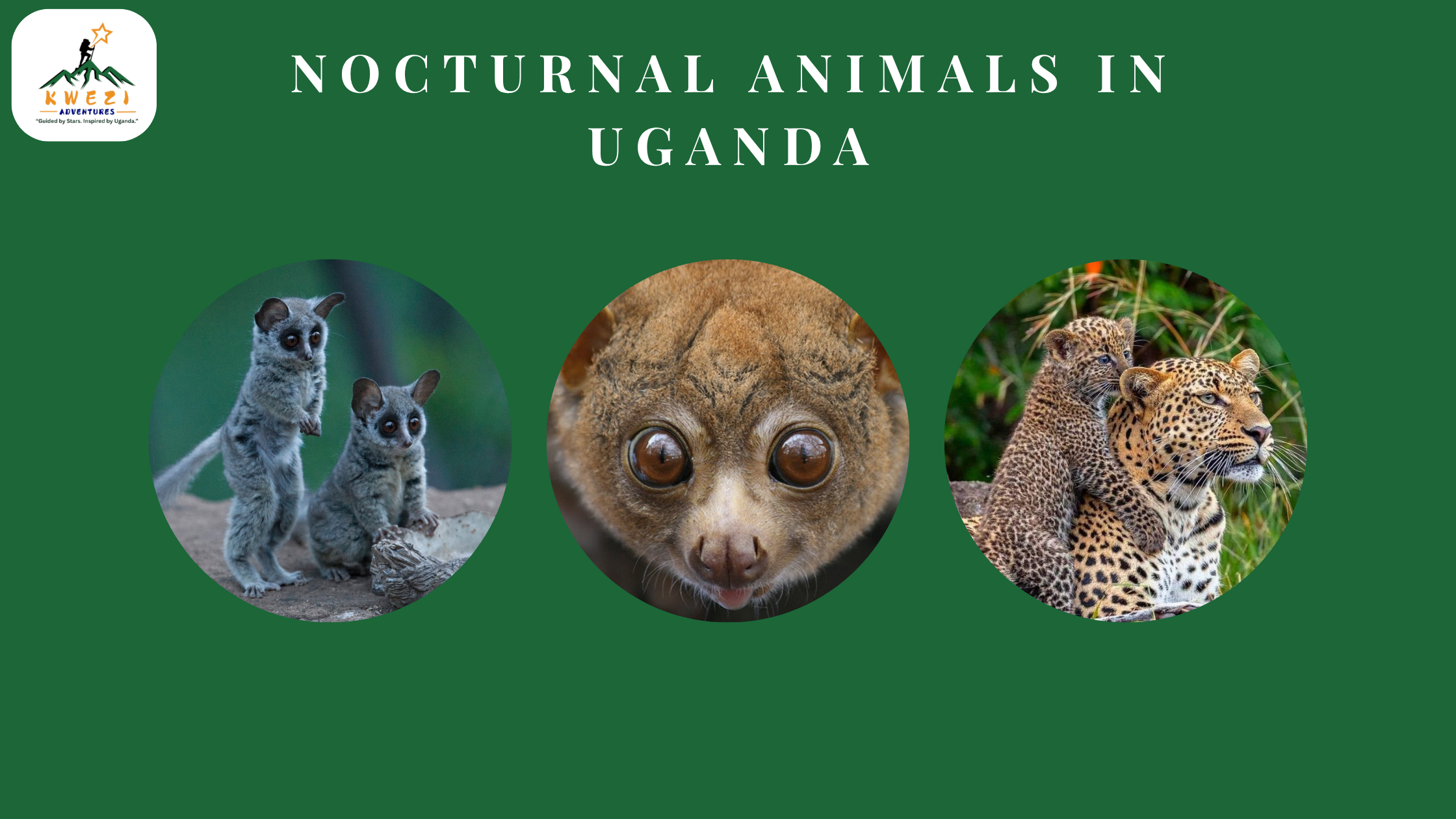
When the Sun Goes Down, Africa Wakes Up
Most safari travellers spend their days scanning the savannah for the Big Five. They return to camp at sunset, satisfied with their lion and elephant sightings, and never consider what happens after dark.
The experts know better. "Africa truly comes alive when night falls," says Daniel Kiiza, founder of Kwezi Adventures. "Prides of lions move through the darkness, while coalitions of males patrol their territories. Every sound matters. Every rustle has meaning."
Uganda is emerging as one of Africa's top destinations for night safaris, ranking ninth in a continent-wide study of after-dark wildlife experiences. The country's dark skies and rich biodiversity make it an ideal destination for "noctourism", one of the fastest-growing global travel trends.
A night safari is not a daytime game drive with flashlights. It is an entirely different experience. You see creatures that are rarely active during the day. You hear sounds that the midday heat swallows. You enter a world where predators hunt, prey grazes under the stars, and the rhythm of the bush is governed by moonlight rather than sunlight.
This guide covers the best places to experience nocturnal wildlife in Uganda. The information comes from official Uganda Wildlife Authority sources and verified tour operators.
Nocturnal Wildlife Species in Uganda
Predators & Carnivores: Leopards are the stars of the night shift, emerging after sunset to hunt with precision. Spotted hyenas become more active as darkness falls, their calls echoing across the savannah. Side-striped jackals, honey badgers, African civets, and small spotted genets also patrol the darkness.
Primates & Small Mammals: Bushbabies (galagos) are the celebrities of night walks, their giant eyes reflecting torchlight as they leap between branches. Pottos are slow-moving relatives of lorises that cling to tree trunks. White-tailed mongooses, porcupines, aardvarks, and bush pigs are also active after dark.
Birds & Reptiles: Verreaux's eagle-owls hunt from perches, while nightjars skim through the darkness. African rock pythons may be encountered on night walks.
Where to Experience Night Safaris in Uganda
Lake Mburo National Park: The Premier Night Drive Destination
Lake Mburo National Park is the best place in Uganda for a night game drive. It is one of the few parks where night drives are officially sanctioned and well-established.
This compact savannah park, located approximately 240 kilometres from Kampala, offers some of the most reliable nocturnal wildlife sightings in Uganda. The park is home to a variety of species, including buffalo, waterbucks, hippos, topis, reedbucks, elands, impalas, zebras, giraffes, leopards, hyenas, bush pigs, and over 350 bird species.
What You Can See on a Lake Mburo Night Drive: Night drives reveal the park's hidden nocturnal life. Leopards and hyenas are the most sought-after sightings. You may also encounter genets, civets, mongooses, bushbabies, porcupines, and owls. Occasionally, hippos grazing out of the water or buffalo resting can be spotted.
How It Works: Night game drives in Lake Mburo are conducted in open safari vehicles equipped with spotlight torches. They take approximately two to three hours and are best done from 7:00 PM to 10:00 PM. Starting points are Rwonyo Park headquarters or some lodges inside the park. Only pre-registered vehicles are permitted, and Uganda Wildlife Authority guides are required.
Costs for Lake Mburo Night Drive:
Private vehicle: $30 for foreign non-residents, $20 for foreign residents, 50,000 UGX for East African citizens.
UWA vehicle: $40 for foreign non-residents, $35 for foreign residents, 40,000 UGX for East African citizens.
Best Time: Night game drives are permitted year-round, but the dry seasons from June to September and December to February offer the best conditions. Vegetation is thinner, and animals are easier to spot.
Where to Stay: Mihingo Lodge is known for exceptional night drives. Eagle's Nest Camp offers a more budget-friendly option. Rwakobo Rock Lodge also provides guided night drives.
Kwezi Tip: If you have only one night for a night safari in Uganda, choose Lake Mburo. It is the most reliable destination for nocturnal wildlife viewing.
Queen Elizabeth National Park: Track Leopards Under the Stars
Queen Elizabeth National Park offers night game drives, but with a specific location: only the Mweya Peninsula is used for night wildlife drives. Kasenyi Plains sees too many visitors during the day, so animals are left to rest at night to minimise stress.
What You Can See: Night drives in Queen Elizabeth reveal leopards, hyenas, lions, civets, side-striped jackals, and serval cats. You may also observe hippos feeding on land. Bushbabies and banded mongoose are also active after dark.
Costs for Queen Elizabeth Night Drive:
Private vehicle: $30 for foreign non-residents, $20 for foreign residents, 50,000 UGX for East African citizens.
UWA vehicle: $40 for foreign non-residents, $35 for foreign residents, 40,000 UGX for East African citizens.
Best Time: Night drives start at approximately 6:00 or 7:00 PM and last two to three hours.
Kwezi Note: Queen Elizabeth's night drives are excellent for leopard viewing. The park has a healthy leopard population, and night drives offer one of the best chances in Uganda to see this elusive predator.
Kibale Forest National Park: Nocturnal Forest Walks
Kibale Forest, known as the Primate Capital of the World, is famous for daytime chimpanzee tracking. But when the sun goes down, a different adventure begins.
The Experience: Nocturnal walks are night-time safaris conducted on foot within Kibale Forest. They typically start at 7:30 PM and last between 1.5 and 2 hours. With a powerful torch and a skilled UWA ranger, visitors follow prescribed trails through the forest, listening and looking for movement.
What You Can See: The stars of Kibale's night walks are bushbabies (galagos), whose huge eyes reflect torchlight as they leap between branches. Pottos are slow-moving nocturnal primates that cling to tree trunks. You may also encounter civets, genets, night birds including African wood owls and nightjars, reptiles like tree frogs and chameleons, and occasionally larger mammals like bush pigs or elephants.
Atmosphere: There is no other sensory experience like walking through a thick forest in the dark. Without daylight, hearing and smell become heightened. Every sound is sharper. The forest hums with life: insects, frogs, leaves rustling, and the occasional call of an unseen animal.
Costs: Night walks typically cost $40 for foreign non-residents, $35 for foreign residents, and 40,000 UGX for East African citizens.
Group Size: A maximum of 6 travellers is allowed on nature walks, so early booking is recommended.
Best Time: Night walks are available year-round, but the dry seasons from June to September and December to February offer the best walking conditions.
Kwezi Tip: Combine a daytime chimpanzee trek with a night walk on the same day. This gives you a complete primate experience: the daytime stars of Kibale and the nocturnal creatures that emerge after dark.
Murchison Falls National Park: Night Walking Safaris
Murchison Falls National Park offers night walking safaris, a different experience from night game drives. These are guided walks through the savannah grasslands accompanied by armed rangers.
What You Can See: Night walking safaris offer the chance to see hippos, hyenas, civets, servals, porcupines, nightjars, and leopards. The park has recorded 76 animal species and approximately 450 bird species.
How It Works: Night walking safaris typically start at 7:00 PM and last approximately two hours. The experience is both strange and exhilarating. The sounds of the forest come alive with calls of night-time birds and rustling of unseen animals.
Best Time: The dry seasons from June to September and December are the best times for walking safaris.
What to Pack for a Night Safari
Clothing: Long-sleeved shirts and long trousers protect against scratches and insect bites. Nights can be cool, especially after dusk, so a warm layer is essential. Natural-coloured clothing is preferred.
Essential Gear: A good camera with low-light capability is essential for night photography. Binoculars are useful for distant sightings. A reliable flashlight or headlamp is necessary for walking safaris. Insect repellent is non-negotiable.
Other: Carry a reusable water bottle to stay hydrated. A daypack is useful for carrying your gear.
The Reality of Night Safaris
Sightings Are Not Guaranteed. Wildlife moves freely and doesn't follow schedules. Darkness adds a challenge. The value is in the ride, the anticipation, the stories, and the night air.
Safety and Logistics. You will be out after dark in remote terrain, so use licensed guides and comply with park rules. Vehicles are often open-roof or open-sided, making you feel more exposed.
Nocturnal Primates. Recent research indicates that chimpanzees in Kibale Forest occasionally engage in nocturnal crop-foraging at the forest-field edge, particularly in the early hours after sunset. This behaviour may be a response to crop availability.
The Night Safari Market. According to the study by Kwezi Adventures, Uganda's strengths for night safaris include the quality of its night skies. Uganda recorded a Bortle light pollution score of 2.74, meaning many of its protected areas enjoy relatively dark skies that offer excellent opportunities for both wildlife viewing and stargazing.
People Also Ask About Night Safaris in Uganda
Q: Which parks in Uganda offer night game drives?
A: Lake Mburo National Park, Queen Elizabeth National Park (Mweya Peninsula only), and Kidepo Valley National Park offer night game drives. Murchison Falls National Park offers night walking safaris. Kibale Forest offers nocturnal forest walks.
Q: What animals can I see on a night safari in Uganda?
A: You can see leopards, spotted hyenas, bushbabies, pottos, African civets, genets, porcupines, aardvarks, side-striped jackals, honey badgers, and bush pigs. Night walks also reveal night birds like Verreaux's eagle-owls and nightjars.
Q: How much does a night game drive cost in Uganda?
A: In Lake Mburo National Park, night game drives cost $30 for foreign non-residents using a private vehicle or $40 using a UWA vehicle. Queen Elizabeth night drives cost similar amounts. Night walks in Kibale cost $40 for foreign non-residents.
Q: What is the best time for a night safari in Uganda?
A: The dry seasons from June to September and December to February offer the best conditions for night safaris. Trails are drier, vegetation is thinner, and wildlife is easier to spot.
Q: Are night safaris in Uganda safe?
A: Yes, when conducted with licensed guides and UWA rangers. Night drives are led by experienced rangers who know the terrain and animal behaviour. Private vehicles are only permitted with pre-registration and mandatory UWA guides.
Q: What should I wear on a night safari?
A: Wear long-sleeved shirts, long trousers, and closed-toe shoes. Nights can be cool, so bring a warm layer. Insect repellent is essential.
Q: Can I combine a night safari with daytime activities?
A: Yes. Many travellers combine daytime chimpanzee tracking in Kibale with a nocturnal forest walk on the same day. In Lake Mburo, night drives complement daytime game drives and boat safaris.
Start Planning Your Night Safari
Uganda's nocturnal world is waiting to be discovered. The bushbabies leaping through the canopy, the leopards emerging from the shadows, the calls of hyenas echoing across the savannah. These are experiences that most travellers miss.
Kwezi Adventures designs custom itineraries that include night safaris in Lake Mburo, Queen Elizabeth, and Kibale. We handle permits, accommodation, transport, and expert guides.
Ready to see Uganda after dark?
Contact Kwezi Adventures today. Tell us your interests, travel dates, and group size. We will create a safari that takes you into Uganda's night. Your adventure starts here.
