
Is It Safe for a Pregnant Woman to Go on Safari in East Africa?
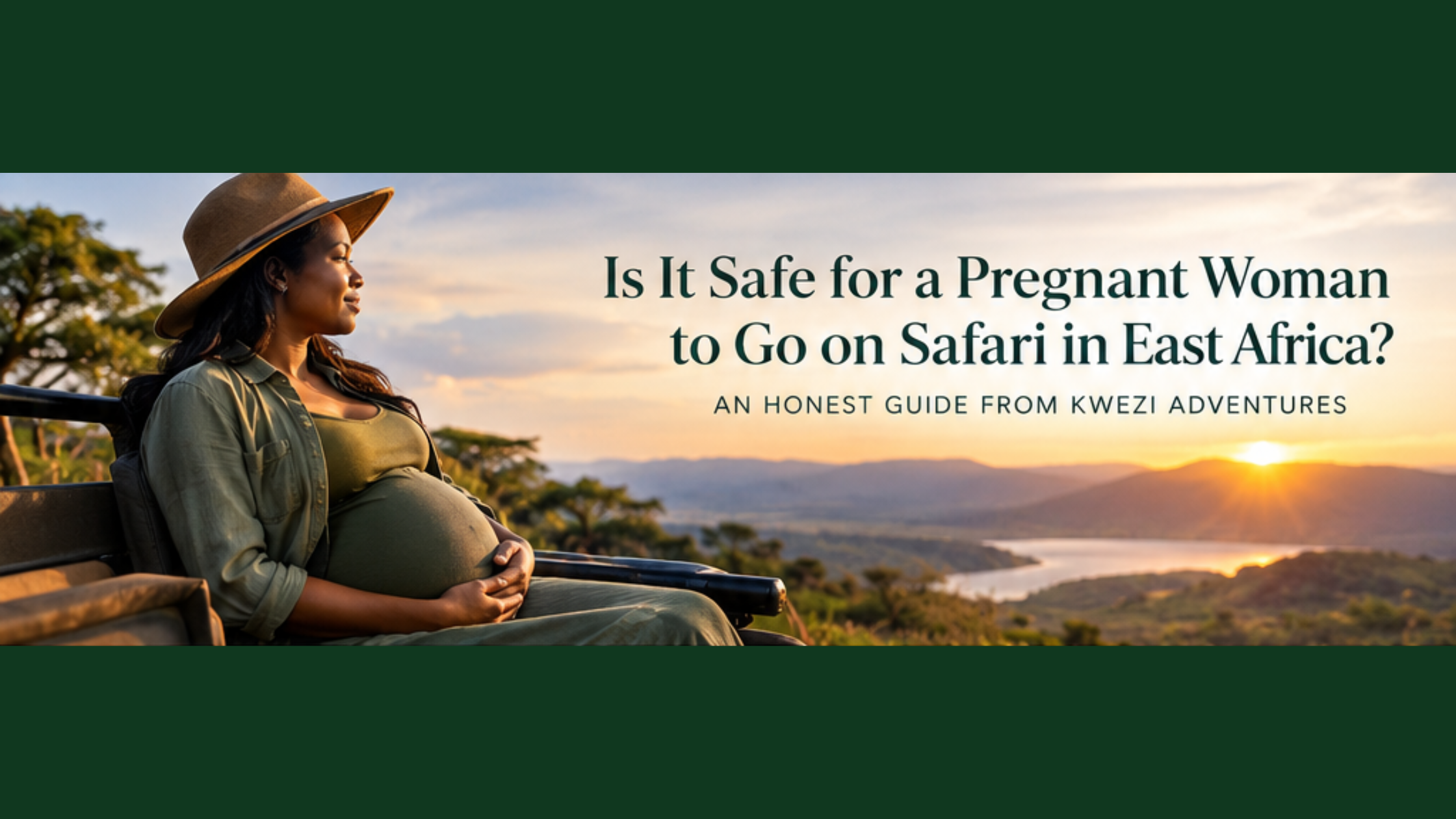
The answer isn't a simple yes or no; it's a nuanced conversation that depends on your health, your trimester, your destination, and your expectations.
This guide will walk you through everything you need to know, honestly and transparently, so you can make an informed decision about whether a pregnant safari in East Africa is right for you.
What is a Pregnant Safari?
A pregnant safari is a wildlife-viewing holiday in East Africa taken during pregnancy. This typically involves game drives in open vehicles, stays at luxury lodges or tented camps, and, depending on the destination and trimester, potentially gentler activities like boat safaris or cultural visits. It generally excludes high-intensity activities such as gorilla trekking, chimpanzee tracking, or long-distance hiking, though modifications can sometimes be made.
The Honest Answer: When Safari is Safe and When It Isn't
When a Pregnant Safari is Generally Considered Safe
For most healthy women with uncomplicated pregnancies, travel to East Africa is considered safe during the second trimester (weeks 14-27). During this period, morning sickness has typically subsided, energy levels are higher, and the risk of miscarriage is lower. Many airlines accept pregnant travelers without medical clearance up to 28 weeks. (Travel During Pregnancy, 2022)
Here's what makes a well-planned pregnant safari safe:
Low physical exertion: Game drives involve sitting in a vehicle for 2-4 hours at a time, with plenty of breaks. (How Long Are Safari Game Drives: 2-4 Hours Each, 2026)
Excellent medical facilities in major cities: Nairobi, Kampala, and Kigali have private hospitals with international standards.
Luxury lodges with comfortable amenities: The properties we select offer spacious rooms, pools, and spa treatments suitable for expectant mothers.
Experienced guides: Our guides are trained to accommodate pregnant travelers, from adjusting vehicle seating to planning shorter drives.
One of our recent clients, Emma, traveled to the Masai Mara at 18 weeks pregnant with her husband. She told us afterward: "I was nervous about the bumpy roads, but our guide, Joseph, was incredible. He knew exactly which routes were smoothest and always made sure I had enough breaks. Seeing a lioness with her cubs while feeling my own baby move was profoundly emotional."
When We Strongly Advise Against It
There are circumstances where we recommend postponing your safari:
First trimester (weeks 1-13): The risk of miscarriage is highest, and you may experience fatigue and nausea that make travel uncomfortable. Additionally, many vaccines and anti-malarial medications are contraindicated during this period.
Third trimester (weeks 28+): Most airlines require medical clearance after 28 weeks and prohibit travel after 34-37 weeks depending on the carrier. Medical evacuation in remote areas becomes significantly more complex.
High-risk pregnancies: If you have any complications pre-eclampsia, placenta previa, gestational diabetes, or a history of preterm labor safari travel is not advisable.
Zika virus concerns: The CDC recommends that pregnant women should not travel to Kenya due to Zika virus risk. This is a critical consideration for Kenya specifically.
Country-by-Country Safety Assessment
Uganda: Proceed with Caution
Uganda offers some of East Africa's most spectacular wildlife experiences, including gorilla trekking in Bwindi Impenetrable National Park. However, the terrain is challenging, and medical facilities outside Kampala are limited.
Gorilla trekking while pregnant: The Uganda Wildlife Authority does not explicitly prohibit pregnant women from gorilla trekking, but the physical demands are significant; treks can last 1-6 hours through steep, muddy terrain at altitudes of 7,000-9,000 feet. We generally recommend against it for pregnant travelers unless they are in excellent fitness and early in their second trimester.
Alternative: For expectant mothers who want to see gorillas, we arrange sedan chair experiences ($350-500) where porters carry you through the forest. This allows you to participate without the physical strain.
Malaria risk: Uganda has high malaria transmission. The WHO recommends mefloquine as the safest prophylaxis from the second trimester. However, no antimalarial is 100% risk-free during pregnancy, and malaria in pregnancy can cause miscarriage, premature delivery, and low birth weight.
Key consideration: The yellow fever vaccine is mandatory for entry to Uganda, but it's a live vaccine contraindicated during pregnancy. A medical waiver letter is required, which may complicate entry.
Kenya: The Zika Question
Kenya is home to the iconic Masai Mara and Amboseli, offering some of the best game viewing in Africa. The infrastructure is excellent, with world-class lodges and medical facilities in Nairobi.
The critical issue: The CDC advises that pregnant women should not travel to Kenya because of Zika virus risk. Zika infection during pregnancy can cause severe birth defects, including microcephaly.
Our position: Given the CDC's clear guidance, we do not recommend Kenya for pregnant travelers unless they have consulted with their healthcare provider and are willing to accept the Zika risk. The Masai Mara's game viewing is spectacular, but no wildlife encounter is worth the potential health risk to your baby.
Tanzania: Moderate Risk, Excellent Infrastructure
Tanzania offers the Serengeti, Ngorongoro Crater, and Zanzibar a trifecta of safari and beach experiences. The country has good medical facilities in Dar es Salaam and Arusha.
Malaria risk: Present throughout, including Zanzibar and Pemba. Mefloquine prophylaxis is recommended from the second trimester.
Medical evacuation: The Swedish embassy notes that serious illness or trauma in Tanzania typically requires medical evacuation by air, and comprehensive travel insurance covering evacuation is essential.
Zika risk: While less publicized than in Kenya, Zika transmission has occurred in Tanzania. Pregnant travelers should consult their healthcare provider.
Our recommendation: Tanzania can be a suitable destination for pregnant travelers in their second trimester who are willing to follow strict mosquito precautions and have appropriate insurance. The infrastructure for luxury safari is excellent, and our partners can arrange shorter game drives and more frequent rest stops.
Rwanda: The Most Accessible Option
Rwanda has emerged as a premier luxury safari destination, with gorilla trekking in Volcanoes National Park and excellent infrastructure in Kigali.
Gorilla trekking: The Rwanda Development Board does not prohibit pregnant women from trekking, but the terrain in Volcanoes National Park is steep and challenging. We recommend against it, but sedan chair options are available at similar costs to Uganda.
Medical facilities: Kigali has King Faisal Hospital, one of the best medical facilities in the region, with international standards.
Malaria risk: Lower than in Uganda or Tanzania, particularly in Kigali and the highland areas. However, prophylaxis is still recommended.
Zika risk: Minimal, but travelers should still take mosquito precautions.
Our assessment: Rwanda is potentially the most suitable East African destination for pregnant travelers, particularly for those who want a luxury experience without gorilla trekking. The country is compact, roads are well-maintained, and medical care is accessible.
Pregnant Safari Safety Comparison Table
| Factor | Uganda | Kenya | Tanzania | Rwanda |
|---|---|---|---|---|
| CDC Zika Guidance | No specific warning | Avoid travel | Consult provider | Low risk |
| Malaria Risk | High | Moderate-High | High | Moderate |
| Medical Facilities | Limited outside Kampala | Excellent in Nairobi | Good in Dar/Arusha | Excellent in Kigali |
| Gorilla Trekking Feasible | Sedan chair option | N/A | N/A | Sedan chair option |
| Best Trimester | 2nd | N/A | 2nd | 2nd |
| Kwezi Recommendation | Caution | Not recommended | Moderate | Most suitable |
What to Pack for a Pregnant Safari
Packing for a pregnant safari requires more thought than a standard trip. Here's our essential list:
Medical essentials:
Anti-malarial medication prescribed by your doctor (mefloquine is generally considered safest from the 2nd trimester)
Medical certificate from your doctor stating your fitness to travel and estimated due date (required by many airlines after 28 weeks)
Comprehensive travel insurance that explicitly covers pregnancy-related complications and medical evacuation
Yellow fever vaccination waiver (if traveling to Uganda)
Copies of all medical records in case of emergency
Comfort items:
Compression socks for long flights (DVT risk is elevated during pregnancy)
Loose, layered clothing in neutral colors (khaki, beige, olive)
Supportive walking shoes with good grip
Maternity support belt for bumpy game drives
Electrolyte packets for hydration in the heat
Insect repellent containing DEET or picaridin (safe during pregnancy)
Kwezi Insider Tip: We provide every pregnant traveler with a "Comfort Kit" including a lumbar pillow, electrolyte packets, and a detailed list of restroom locations along every route. Small gestures make a big difference.
Frequently Asked Questions About Pregnant Safaris
1. What is the safest trimester for a safari in East Africa?
The second trimester (weeks 14-27) is generally considered safest. Morning sickness has typically passed, energy is higher, and the risk of miscarriage is lower. Most airlines accept pregnant travelers without medical clearance up to 28 weeks.
2. Can I go gorilla trekking while pregnant?
We do not recommend gorilla trekking for pregnant women due to the physical demands and steep, muddy terrain at high altitude. However, sedan chair experiences are available in Uganda and Rwanda, where porters carry you through the forest for $350-500.
3. Is malaria medication safe during pregnancy?
Mefloquine is generally considered the safest prophylaxis from the second trimester. However, you must consult your doctor, as individual circumstances vary. Malaria in pregnancy can cause miscarriage, premature delivery, and low birth weight.
4. What happens if I need medical care during a safari?
Major cities (Nairobi, Kampala, Kigali, Dar es Salaam) have private hospitals with international standards. In remote areas, medical evacuation by air may be required, which is why comprehensive travel insurance is essential. Kwezi Adventures maintains relationships with medical evacuation services in all four countries.
5. Can I still enjoy a luxury safari while pregnant?
Absolutely. Game drives involve sitting in comfortable vehicles, and our luxury lodge partners offer spacious rooms, pools, and spa treatments. We adjust itineraries to include shorter drives, more frequent breaks, and activities like boat safaris or cultural visits that are less physically demanding.
6. Should I travel to Kenya while pregnant?
The CDC advises that pregnant women should not travel to Kenya due to Zika virus risk. We recommend consulting your healthcare provider and considering alternative destinations like Tanzania or Rwanda.
7. What travel insurance do I need?
Your policy must explicitly cover pregnancy-related complications and medical evacuation. Standard travel insurance often excludes pregnancy. We can recommend specialists who provide appropriate coverage.
How Kwezi Adventures Supports Pregnant Travelers
Bespoke Itinerary Design
We don't offer "one-size-fits-all" safaris. For pregnant travelers, we design itineraries with:
Shorter transfer times (no more than 2-3 hours between stops)
Access to medical facilities at every stage
Flexible daily schedules that accommodate rest needs
Luxury accommodations with comfortable beds, pools, and spa services
Expert Local Guides
Our guides are trained to work with pregnant travelers. They know which roads are smoothest, where the cleanest restrooms are, and how to adjust game drives for maximum comfort. Many of our guides are fathers themselves; they understand the importance of care.
24/7 Support
We provide pregnant travelers with a 24/7 emergency contact and maintain relationships with medical facilities and evacuation services in all four countries.
Sustainability and Community
When you travel with Kwezi Adventures, you're supporting:
Local employment: Our guides, drivers, and porters are all from the communities we visit.
Conservation: A portion of every safari fee goes to wildlife protection, including 80% of gorilla permit fees that fund conservation efforts.
Community partnerships: We source food from local farmers, support village schools, and invest in community health initiatives.
The Emotional Journey: Why Pregnancy Safari Matters
There's something profoundly moving about experiencing the wild while carrying new life. One of our clients, a photographer from Vancouver, described her Tanzanian safari at 22 weeks as "the most connected I've ever felt to the natural world and to my baby."
She continued: "Every sunset felt like a blessing. Every animal sighting felt like a gift I was sharing with someone I hadn't met yet. I know she won't remember it, but I will. And I'll tell her about it for the rest of my life."
This is why we do what we do. Not just to show you Africa, but to help you experience it in a way that honours whatever chapter of life you're in.
A Final Word: Listen to Your Body (and Your Doctor)
The most important piece of advice we can offer is this: your healthcare provider's guidance supersedes everything in this guide. Every pregnancy is unique. What's safe for one woman may not be safe for another.
If you're considering a pregnant safari in East Africa, start the conversation with your doctor first. Then, when you're ready, reach out to us. We'll design an experience that prioritizes your health, your comfort, and your wonder.
The African wilderness has a way of making you feel small and infinite at the same time. To share that feeling with your unborn child, even if only in the quiet kicks and flutters, is a gift unlike any other.
Let's Start Planning Your Pregnant Safari
Every journey we design is as unique as the family embarking on it. Whether you're dreaming of a babymoon in the Serengeti or a gentle gorilla encounter from a sedan chair, we'll craft an itinerary that honors your needs and exceeds your expectations.
