
Hiking vs Trekking Uganda: Key Differences, Best Trails & Costs
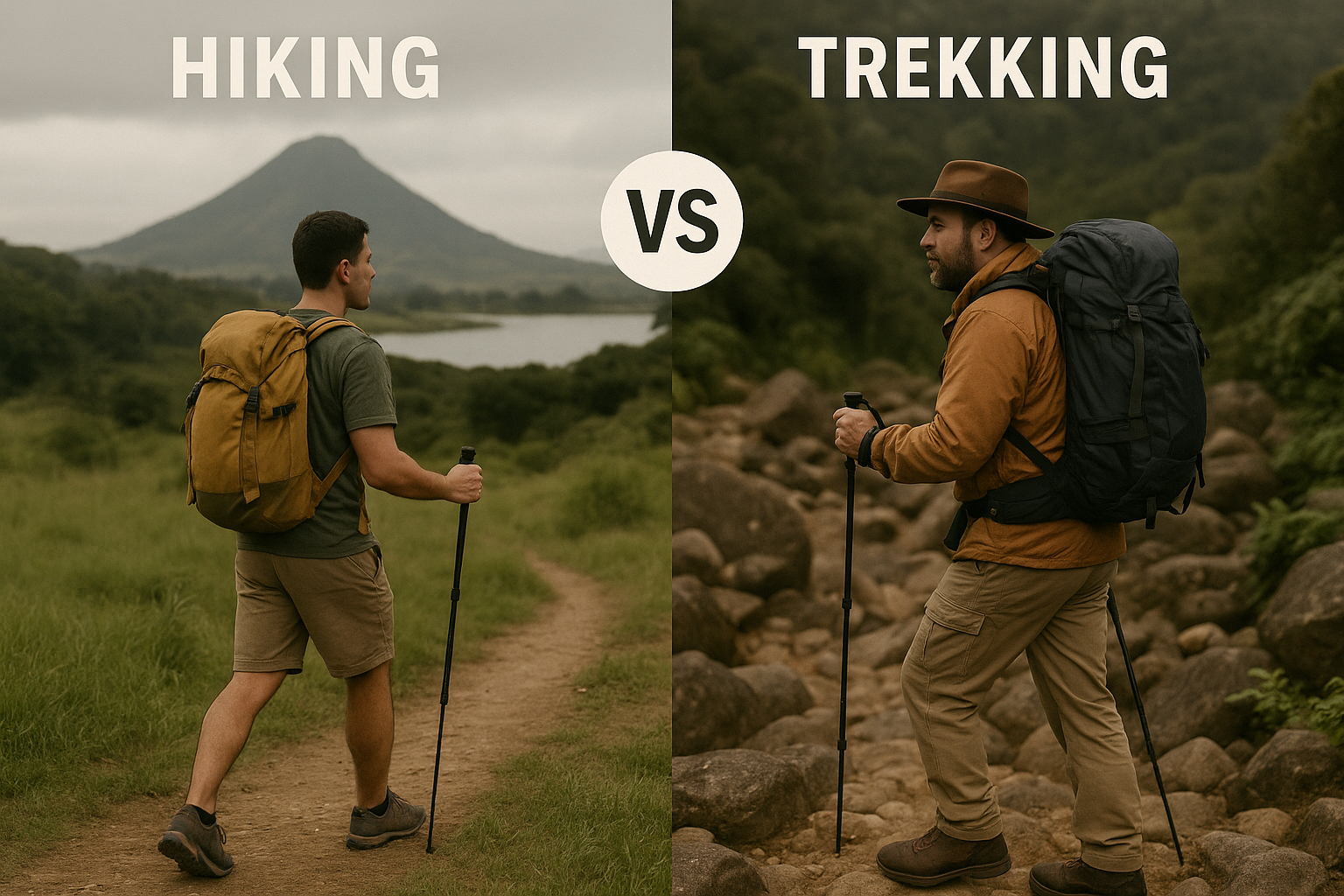
Uganda, often referred to as the "Pearl of Africa," is a paradise for outdoor enthusiasts, offering incredible hiking and trekking experiences. But what's the difference between the two? Whether you're looking for a day-long scenic hike or a multi-day wilderness trek, Uganda has it all. Before you embark on your adventure, we'll cover essential planning details such as the best times to visit, how to prepare, and what to expect on your journey. Let's explore the key differences, best trails, and costs to help you choose your next adventure!
Hiking in Uganda: Scenic Day Walks
Hiking in Uganda typically involves day-long walks on well-marked trails, often with a focus on the scenery, wildlife, and natural environment. It’s ideal for beginners or those who prefer shorter, more relaxed adventures.
Best Hiking Trails in Uganda:
✅ Queen Elizabeth National Park—Explore Semliki Valley and Maramagambo Forest on easy-to-moderate nature trails.
✅ Rwenzori Mountains Foothills – Short but scenic hikes with breathtaking views.
✅ Sipi Falls – Gentle trails leading to stunning waterfalls in Eastern Uganda.
Difficulty & Cost:
✔ Difficulty: Ranges from beginner-friendly to moderate.
✔ Cost: Generally affordable, with park entry fees and guide costs.
Trekking in Uganda: Multi-Day Wilderness Adventures
Trekking in Uganda is more challenging, involving multi-day journeys through remote and rugged terrain. It requires a higher level of fitness and preparation, often necessitating training and conditioning to endure long hours of walking and elevation changes. Sometimes, camping gear is also necessary for these excursions.
Best Trekking Adventures in Uganda:
✅ Rwenzori Mountains Trek – A multi-day expedition to Margherita Peak (Africa’s 3rd highest mountain).
✅ Gorilla Trekking in Bwindi Impenetrable National Park – A thrilling jungle trek to encounter mountain gorillas.
✅ Mount Elgon Trek – A less crowded alternative with vast calderas and caves.
Difficulty & Cost:
✔ Difficulty: Moderate to strenuous, requiring endurance and acclimatisation.
✔ Cost: More expensive due to permits (gorilla trekking), guides, and equipment.
Key Differences: Hiking vs Trekking in Uganda
AspectHikingTrekkingDuration
Day trips, multi-day expeditions.
Terrain
Well-marked trails
Remote, rugged paths
Accommodation
Return to lodges/hotels.
Camping or mountain huts
Gear Needed
Light (water, snacks, hiking shoes)
Heavy (tents, sleeping bags, cooking gear)
Cost
Lower (park fees + guide)
Higher (permits, equipment, guides)
Which One Should You Choose?
✔ Go Hiking If: You want a relaxed, scenic day walk with minimal gear.
✔ Go Trekking If: You seek a challenging, immersive wilderness experience.
Final Thoughts
Whether you choose hiking in Uganda’s national parks or trekking through its remote mountains and jungles, the country promises unforgettable adventures. Ready to explore? Book your hiking or trekking tour with Kwezi Adventures today.
Frequently Asked Questions: Hiking & Trekking in Uganda
Q1: What’s the main difference between hiking and trekking in Uganda?
A: Hiking refers to scenic day walks on established trails, returning to comfort each evening. Trekking involves multi-day, immersive expeditions into remote wilderness, often requiring camping, heavier gear, and greater physical endurance.
Q2: Do I need a guide for hiking, or can I explore on my own?
A: For your safety and to enhance your experience, a guide is mandatory in national parks and highly recommended everywhere else. Guides provide invaluable knowledge about wildlife, trails, and local culture, and ensure your safety in unfamiliar terrain.
Q3: How far in advance do I need to book, especially for gorilla trekking?
A: We recommend booking at least 6-9 months in advance for gorilla trekking due to the limited permit availability. For other treks like Rwenzori or Elgon, 3-6 months is advisable, especially during peak seasons (June-September, December-February).
Q4: What level of fitness is required for trekking the Rwenzori Mountains or to see gorillas?
A:
Rwenzori Mountains: Requires good to excellent fitness. It involves long days (6-8 hours) of walking on steep, often wet and muddy terrain at high altitude. Pre-trip cardio and leg-strength training are essential.
Gorilla Trekking: Requires a moderate level of fitness. Treks can range from 1 to 8 hours over rugged, uneven hillsides. Being in good health with decent mobility is important.
Q5: What should I pack for a multi-day trek in Uganda?
A: Essentials include sturdy broken-in hiking boots, moisture-wicking clothing (no cotton), a warm insulating layer, a waterproof jacket and trousers, a sleeping bag (rated for altitude), a headlamp, personal toiletries, a reusable water bottle, and a daypack. We provide a detailed packing list upon booking.
Q6: Are these adventures safe?
A: Your safety is our top priority. We work with licensed, experienced guides, maintain small group sizes, use reliable equipment, and follow all national park safety protocols. We also provide comprehensive pre-trip briefings and advice.
Q7: Can children or older adults participate in these hikes or treks?
A: Many day hikes (like Sipi Falls or nature walks in Queen Elizabeth) are suitable for children and active older adults. For strenuous multi-day treks (Rwenzori, Mt. Elgon), we assess on a case-by-case basis, considering fitness and experience. Gorilla trekking has a minimum age of 15.
Q8: What is your cancellation policy if my trip is affected by weather or illness?
A: We have a clear policy detailed in our terms and conditions. While park permits (especially gorilla) are often non-refundable, we work with you to reschedule where possible or recoup other costs. We strongly recommend comprehensive travel insurance that covers adventure activities and trip cancellation.
