
Butterfly Tours in Uganda
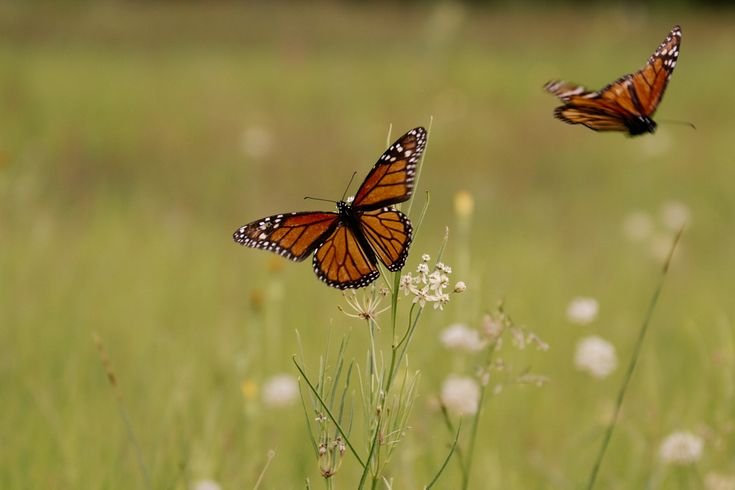
You know Uganda for its gorillas and savanna giants, but you sense there's a more subtle, colorful layer to its wild heart. You're right. For those who pause to look closer, the country reveals itself as a premier destination for one of nature's most beautiful phenomena. We agree that butterfly tours in Uganda offer a uniquely immersive and accessible way to connect with the intricate web of life in the rainforest.
This guide promises to transform your perception of a safari. We’ll show you how butterfly tours in Uganda unlock a world of dazzling color and fascinating behavior, often within the very same forests you visit for primates. You'll get a clear roadmap to the best locations, understand how to seamlessly blend this with classic safaris, and see how your interest directly fuels conservation.
We’ll preview the unparalleled diversity that makes Uganda a top global destination for lepidopterists. You'll discover the prime forests for guided butterfly watching, learn the optimal times for activity, and see how to craft an itinerary that includes both fluttering wings and trekking for great apes.
Why Uganda Is a Global Hotspot for Butterfly Diversity
Uganda's secret lies in its staggering range of ecosystems compressed into a small area. From lowland tropical rainforests to montane bamboo zones and riparian wetlands, each habitat hosts a unique community of butterflies. With over 1,250 recorded species, more than half of all butterflies found in Africa, Uganda isn't just a destination; it's a living, flying encyclopedia of Lepidoptera. A butterfly tour in Uganda is a journey into a complex and often overlooked tier of biodiversity, where conservation success is measured in flashes of iridescent blue and delicate patterns.
Prime Locations for Butterfly Tours in Uganda
1. Mabira Forest Reserve
The Accessible Rainforest: Just an hour from Kampala, Mabira is the most convenient entry point for butterfly watching. Its network of trails teems with life.
Star Species: The iconic Giant African Swallowtail (Papilio antimachus), one of Africa's largest butterflies, along with a myriad of Charaxes and Acraea species.
Tour Experience: Perfect for a half-day excursion or as a soft introduction to forest ecology before heading to national parks.
2. Kibale Forest National Park
The Primate & Butterfly Combo: Primarily famed for chimpanzee tracking, Kibale is equally magnificent for butterflies. The forest edge and sunny clearings are particularly active.
Star Species: Look for the spectacular Blue-spotted Charaxes (Charaxes cithaeron) and the elegant Forest Queen (Euxanthe wakefieldi).
Tour Experience: Ideal for a multi-activity day: chimpanzee trekking in the morning and a dedicated butterfly walk in the afternoon.
3. Budongo Forest (Murchison Falls Conservation Area)
The Botanical Richness: This rich, mid-altitude forest boasts exceptional botanical diversity, which directly supports a wide array of butterfly species.
Star Species: Various swallowtails, including the Citrus Swallowtail (Papilio demodocus), and numerous fast-flying skippers.
Tour Experience: A brilliant addition to a Murchison Falls safari, offering a tranquil, shaded walking experience contrasting with open savanna game drives.
4. Bwindi Impenetrable & Mgahinga Gorilla National Parks
The Montane Specialists: The high-altitude forests of the Albertine Rift are home to unique, often endemic species adapted to cooler temperatures.
Star Species: Specialized Acraeas, Browns, and smaller, elusive species found only in these highland ecosystems.
Tour Experience: A focused, expert-led activity for your rest day between gorilla treks, adding incredible depth to your understanding of this UNESCO World Heritage Site.
Crafting the Perfect Butterfly Tour Experience
A successful butterfly tour in Uganda hinges on expert guidance and thoughtful timing.
The Essential Guide: A knowledgeable guide is non-negotiable. They can identify species in flight, explain host plant relationships, and spot camouflaged butterflies you'd easily miss.
Optimal Timing:
Time of Day: Late morning to afternoon (10:00 AM - 3:00 PM) is peak activity when temperatures warm and butterflies are actively feeding and flying.
Time of Year: Dry seasons (June-August and December-February) provide the easiest walking conditions and predictable weather. However, the wetter periods offer lush foliage and different species.
What to Bring: Light, neutral-colored clothing, sturdy walking shoes, a hat, and a macro lens or a camera with a good close-focusing capability for stunning photography.
The Conservation Impact: More Than Just Watching
Participating in a butterfly tour in Uganda is an act of direct conservation. Here’s how:
Economic Value: It creates alternative income for local communities as guides, spotters, and lodge staff, reducing reliance on forest resource extraction.
Habitat Advocacy: It financially supports the maintenance of forest reserves and national parks, proving that intact ecosystems have tangible economic worth.
Scientific Contribution: Guides and tour companies often collaborate with researchers, providing valuable data on species distribution and abundance.
People Also Ask: Your Butterfly Tour Questions Answered
Q: Are butterfly tours in Uganda suitable for children and beginners?
A: Absolutely. Butterfly watching is a fantastic, low-intensity activity for families. The pace is gentle, the colors instantly engaging, and a good guide can turn it into a fun, educational scavenger hunt. It’s perfect for fostering a love of nature in young travelers.
Q: Can I combine a butterfly tour with a classic wildlife safari?
A: Yes, and we highly recommend it. This combination offers a complete ecological picture. Imagine a morning watching elephants in Queen Elizabeth National Park and an afternoon discovering the dazzling butterflies along the forest-fringed Kazinga Channel. It’s the ultimate holistic safari experience.
Q: What is the difference between a butterfly tour and visiting a butterfly farm?
A: A butterfly tour is an active, walking-based safari in a natural forest habitat to see wild, free-flying butterflies. A butterfly farm is a controlled, enclosed environment where butterflies are bred for display, education, and export. Both are valuable; the tour offers adventure and ecology, while the farm supports community livelihoods and provides guaranteed sightings.
Q: Do I need special equipment for butterfly photography?
A: While a dedicated macro lens will yield stunning close-up details, many modern travel zooms and even advanced smartphones have excellent macro capabilities. The key is patience and working with your guide to approach subjects slowly without causing them to fly away.
Conclusion: See the Forest Through Its Wings
A butterfly tour in Uganda reframes the safari experience. It invites you to appreciate the small, intricate, and vital connections that sustain the iconic giants. It’s a peaceful, profound, and colorful journey into the heart of the ecosystem.
Ready to add a splash of color to your Ugandan adventure? Contact Kwezi Adventures to design your personalized safari. We’ll integrate expert-led butterfly watching into your itinerary, pairing it perfectly with gorilla treks, chimp tracking, and game drives for an unforgettable exploration of the Pearl of Africa’s dazzling biodiversity.
