
Ankole Cow Heritage in Uganda
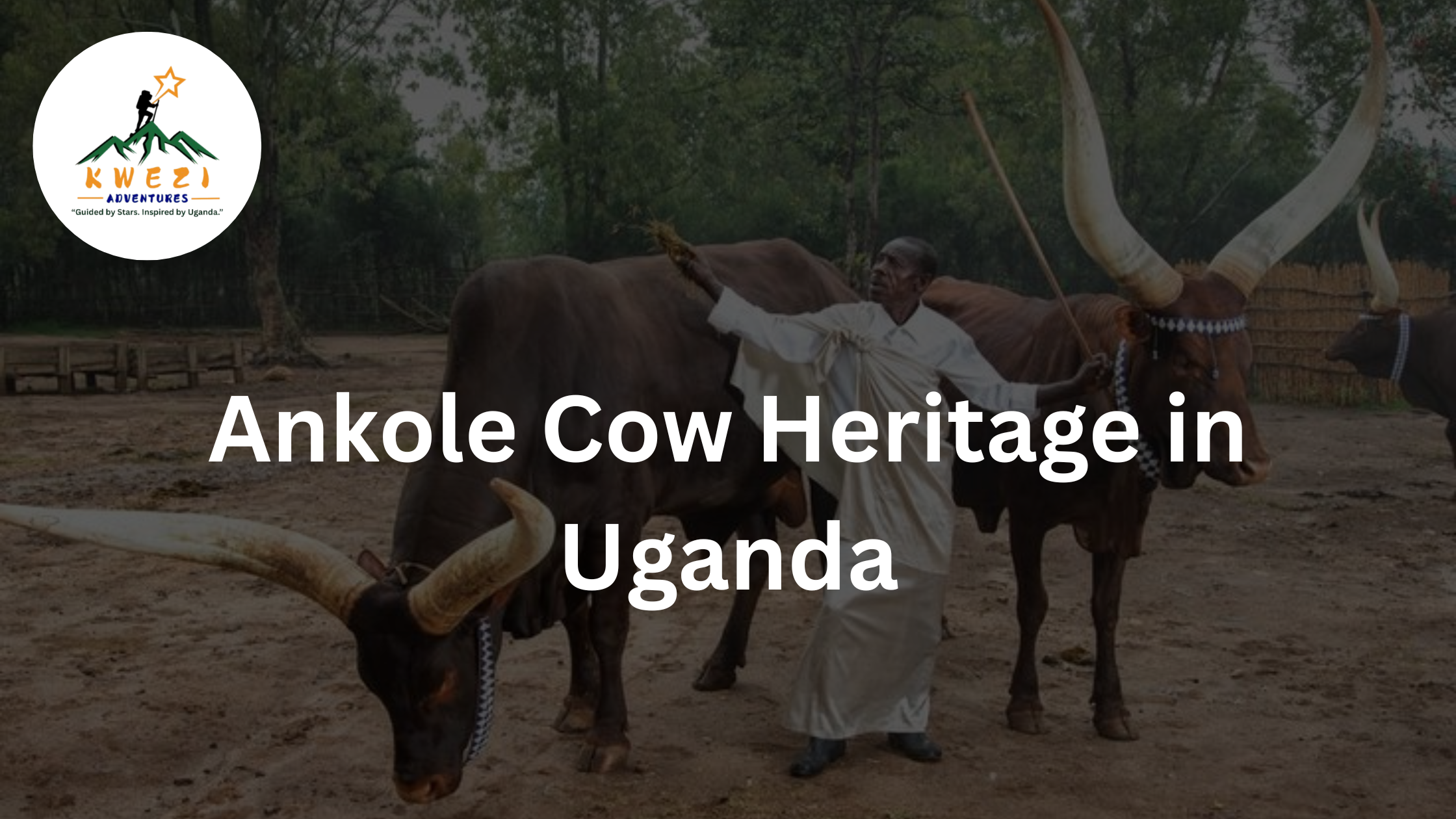
When envisioning the heart of Africa, you might imagine iconic wildlife and sweeping savannas. Yet, in Uganda, the Ankole cow stands as a living symbol of national identity and heritage. Its imposing horns and storied legacy represent more than agriculture; they embody Uganda’s cultural soul and historic wealth. At Kwezi Adventures, we explore how these cattle shape the spirit of the Pearl of Africa.
A Legacy Carved in Horns: The History of Ankole Cattle
The story of Ankole cattle in Uganda begins over 600 years ago. Believed to have descended from ancient breeds brought by nomadic tribes from the Nile Valley, the Ankole-Watusi breed evolved into a symbol of resilience, perfectly adapted to the East African climate. Their distinctive large horns are not just for show; they act as a natural cooling system, with a network of blood vessels that regulate body temperature. This remarkable adaptation is a testament to their deep-rooted place in the region's ecosystem. Historically, these cattle were the cornerstone of the powerful Bahima and Banyankole kingdoms in southwestern Uganda, where the size of a herd directly reflected a family's social status and wealth.
Beyond Meat and Milk: The Cultural Significance of Ankole Cows
To understand Ugandan culture, one must understand the Ankole cow. For the Bahima people, traditionally pastoralists, cattle are life. This connection is encapsulated in the term "Enyemihigo," a cultural concept where cattle are central to rites of passage, marriage dowries (bride price), conflict resolution, and spiritual rituals.
Symbol of Wealth and Status: The number and quality of Ankole cows a family owns have long been the ultimate measure of prosperity and social standing.
Center of Social Fabric: Cattle are integral to communal ceremonies. Gifting cows strengthens alliances, and they play a sacred role in rituals to honor ancestors and bless new beginnings.
A Living Art Form: The care for Ankole cows is an art. Herders compose poetry and songs praising their finest animals, and the intricate patterns of their horn curves and coat colors are celebrated as natural masterpieces.
The Ankole Cow in Modern Uganda: Conservation and Challenges
Today, Ankole longhorn cattle face urgent challenges threatening not only their purity but also the survival of an emblem of Uganda’s heritage. Foreign breed introduction has reduced pure herds. Conservation efforts led by the government and cultural groups aim to protect both this irreplaceable breed and its cultural meaning. Their preservation is crucial for Uganda’s agriculture, history, and tourism, underlining their continuing relevance today.
Where to Experience Ankole Cow Heritage on Your Safari
Your journey with Kwezi Adventures can go beyond the classic wildlife safari to include this rich cultural layer. Here’s where you can connect with this living heritage:
Southwestern Uganda: Travel through the Ankole region, particularly in the Mbarara, Kiruhura, and Bushenyi districts, where you'll see herds grazing communally on vast ranches.
Cultural Encounters: We can arrange authentic visits to local Bahima communities or traditional cattle farms (ebyooma). Witness the majestic evening cattle homecoming, a beautiful spectacle as herds are led back to their enclosures.
The Royal Connection: Visit the Igongo Cultural Centre / Emburara Farm Lodge near Mbarara, which offers excellent exhibits on Ankole history and the central role of cattle.
Integrated Itineraries: Pair your visit to Queen Elizabeth National Park or Lake Mburo National Park (where Ankole cows sometimes graze near wildlife!) with a cultural immersion in the surrounding ranchlands.
Why the Ankole Cow Matters to the Visitor
Witnessing the Ankole cow heritage in Uganda offers a profound dimension to your trip. It provides context to the landscape and its people. Seeing a herder guiding his majestic herd across the golden savanna at sunset is a scene of timeless beauty. It connects you to a story of survival, symbiosis, and deep respect between humans and animals, a story that is uniquely Ugandan.
Preserving the Legacy for Future Generations
The sweeping horns of the Ankole cow are more than a physical attribute; they are arcs of history holding up the sky of a culture. Supporting sustainable tourism in Uganda that includes cultural appreciation helps ensure that this heritage is valued and preserved. It encourages communities to maintain their traditions and protect this iconic breed.
Ready to explore the soul of Uganda? Let Kwezi Adventures craft a safari that captures the wild heart of its national parks and the deep cultural pulse of its people. Contact us to design an itinerary where you can witness the majestic Ankole cattle of Uganda, understanding that you’re not just looking at cows, you’re witnessing a walking, breathing legacy.
Frequently Asked Questions (FAQs) About Ankole Cattle in Uganda
Q1: What is so special about the Ankole cow?
Ankole cows are iconic for their enormous, lyre-shaped horns, which can span over 8 feet (2.4 meters) from tip to tip. Beyond their striking appearance, they are a cornerstone of cultural heritage in Uganda, particularly for the Bahima and Banyankole people. They represent wealth, social status, and spiritual significance and are remarkably well-adapted to the East African climate.
Q2: Where in Uganda can I see Ankole cows?
The best places to see traditional Ankole cattle herds are in the southwestern region of Uganda, known as the Ankole sub-region. Key districts include Mbarara, Kiruhura, Isingiro, and Bushenyi. You can often see them grazing on vast ranch lands along the highways between Kampala and Queen Elizabeth National Park or near Lake Mburo National Park.
Q3: Can I visit a traditional Ankole cattle farm or community?
Yes, cultural tourism experiences are available. Kwezi Adventures can arrange visits to authentic Bahima communities or working ranches (known as ebyooma). These visits often include witnessing the daily herding routines, learning about husbandry practices, and experiencing the beautiful evening cattle homecoming ceremony.
Q4: Are Ankole cows endangered?
While not classified as critically endangered, the population of purebred Ankole cattle has declined significantly due to cross-breeding with commercial dairy breeds. This has made Ankole cattle conservation efforts in Uganda vital. Several government and private ranches now focus on preserving the breed's genetic purity.
Q5: What is the cultural significance of Ankole cows in Uganda?
Their significance is profound. Ankole cows are central to the social and economic fabric. They are used as a bride price (dowry), in conflict resolution, and in important rituals and ceremonies. The number of cows a family owns is a traditional measure of wealth and status, and herders often compose poetry and songs for their favorite animals.
Q6: What is the difference between Ankole and Watusi cattle?
They are essentially the same breed. "Ankole" is the name commonly used in Uganda and Rwanda, derived from the Ankole region. "Watusi" comes from the Tutsi people of Rwanda and Burundi. The international breed name is often Ankole-Watusi, acknowledging both roots.
Q7: Can I see Ankole cows on a standard wildlife safari?
Absolutely. Many classic safari routes pass through their grazing lands. Lake Mburo National Park is a particularly great location, as you can often see Ankole cows grazing near wildlife like zebras and impalas, sometimes just outside the park boundaries. It makes for a unique photo opportunity blending cultural and wild landscapes.
Q8: Why are their horns so large, and what is their purpose?
The massive horns serve a key biological function: thermoregulation. A network of blood vessels within the horns helps cool the blood before it circulates through the cow's body, which is a crucial adaptation to hot climates. The horns also provide defense against predators.
