
What to Pack for Rwenzori Mountain Hike
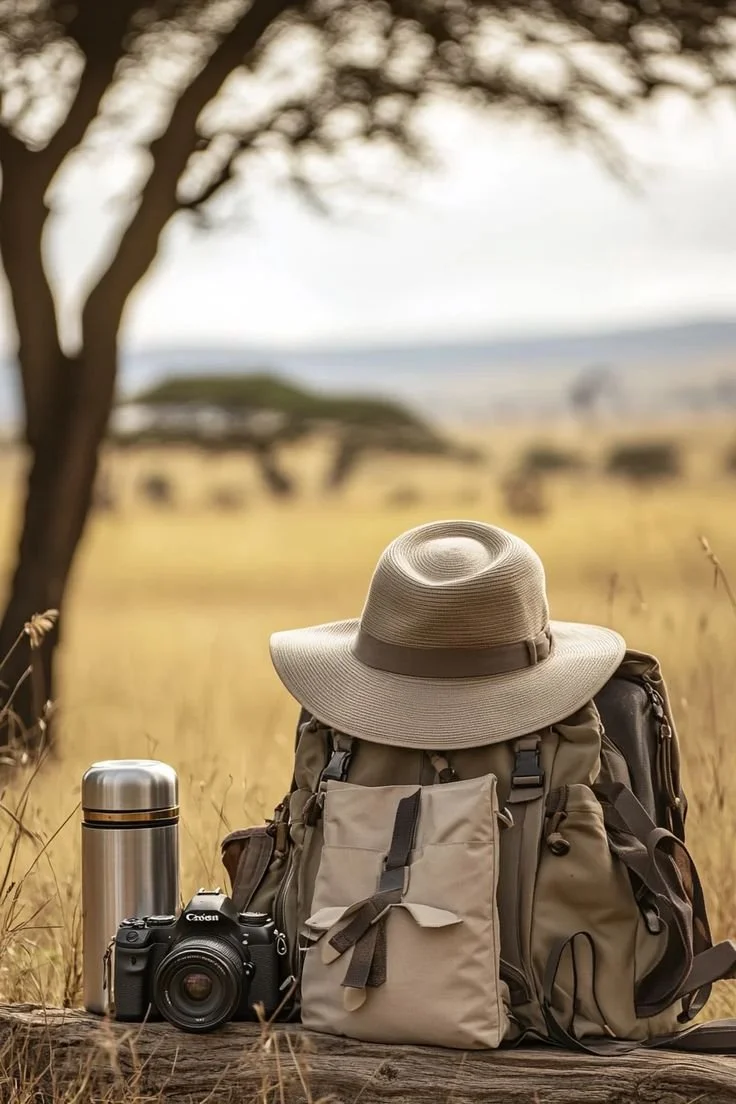
If you're planning a Rwenzori Mountains trek, you already know it's one of Africa's most epic and challenging adventures. The right preparation is what separates a triumphant summit from a difficult ordeal. We agree that figuring out what to pack for your Rwenzori Mountain hike is one of the most critical steps in your planning.
This guide promises to be your single, comprehensive resource for your Rwenzori gear list. We'll provide a detailed, categorized checklist honed from years of guiding experience, clarify what is provided, and explain the why behind each essential item to ensure you're fully prepared for the "Mountains of the Moon."
We’ll preview exactly what you need, from moisture-wicking base layers for the steamy rainforest to the technical gear required for the glacial summit of Margherita Peak. You'll learn about clothing systems, essential equipment, and pro tips to pack smart for safety, comfort, and success.
Understanding the Rwenzori Environment: Why Your Gear Matters
A successful Rwenzori trek demands respect for its extreme vertical climate. Your journey spans dense, humid jungle, alpine moorlands, and glaciated peaks, sometimes all in one day. Knowing what to pack for your Rwenzori Mountain hike is about preparing for relentless moisture, biting cold, and rugged, often technical terrain. The right gear protects you, preserves your energy, and allows you to fully embrace this incredible adventure.
Clothing Essentials: The Layering System for Rwenzori
The golden rule is layering. Avoid cotton at all costs, as it retains moisture and causes hypothermia. Opt for quick-dry, synthetic, or merino wool materials.
1. Base Layers: Moisture Management
Thermal Underwear (Top & Bottom): Merino wool or synthetic. Essential for warmth and wicking sweat away from your skin in freezing conditions.
Summer Shirts & Shorts: Lightweight, breathable options for the hot, humid lower sections of the trail.
2. Mid Layers: Insulation
Fleece Jacket or Pullover: Provides reliable warmth even when damp.
Insulated Down or Synthetic Jacket: A must-have for camp and high-altitude warmth. Ensure it’s compressible.
3. Outer Shell: Protection from the Elements
Waterproof & Windproof Jacket (Gore-Tex recommended): Non-negotiable. The Rwenzoris are famously wet; a high-quality shell is your best defense against rain, snow, and wind.
Waterproof Trousers: Full-side zips are ideal for easy putting on over boots.
Warm Trousers: Quick-dry hiking pants for lower sections and insulated pants for higher camps.
4. Head, Hands & Extras
Sun Hat with Neck Shade: Vital for intense equatorial sun at lower altitudes.
Warm Hat/Beanie & Balaclava: Essential for warmth at night and on summit day.
Gloves: A two-pair system is best: thin liner gloves for dexterity and insulated, waterproof outer gloves for cold and snow.
Footwear & Traction: Your Foundation
Mountaineering Boots (B2/B3 Recommended): Sturdy, insulated, waterproof, and well-broken-in. This is your most important piece of gear. They must be compatible with crampons.
Crampons: Mandatory for summiting Margherita Peak. Ensure they are a perfect fit for your boots. While some technical gear is provided, crampons are highly personal and often best brought by the hiker due to limited rental availability.
Gaiters: Knee-high to keep mud, scree, and snow out of your boots.
Warm, Cushioned Socks: Bring 4-5 pairs of quality hiking socks (synthetic/wool blend). Change them daily to keep feet dry and prevent blisters.
Camp Shoes: Lightweight trainers or sandals for relaxing in camp, giving your feet and boots a break.
Essential Equipment & Kit
Backpack System: A large rucksack (65-75 L) for porters to carry your main kit (max 20 kg), and a smaller daypack (25-35 L) for you to carry daily essentials: water, snacks, extra layers, and a camera.
Sleeping Bag: Rated to at least -10°C (4-season). Temperatures plummet at high-altitude camps.
Sleeping Mat: An insulated inflatable mat for comfort and crucial ground insulation.
Headlamp & Spare Batteries: Essential for pre-dawn summit attempts and moving around camp at night.
Hydration: 3-liter water capacity minimum (hydration bladder or bottles). Consider water purification tablets as a backup.
Trekking Poles: Highly recommended for stability on steep, slippery trails. Collapsible poles are best.
Sunglasses with UV & Side Protection: Glacier glasses are ideal for protecting against intense sun and snow glare on the peaks.
Duffel Bag & Waterproofing: A sturdy, waterproof duffel for your porter-packed gear. Use multiple plastic bags or dry sacks inside for absolute protection.
What Gear Is Provided by Kwezi Adventures?
To ensure safety and standardization on technical sections, Kwezi Adventures provides key mountaineering equipment for the Margherita Peak ascent. This typically includes:
Harness, Helmet, Ice Axe
Climbing Ropes, Carabiners, Ice Screws
Rubber Boots (for the final bog sections before the rock)
Important: You are responsible for your personal clothing, boots, crampons, and sleeping system as per the list above. Always confirm the latest provided gear list with us when booking your trek.
Pro Packing Tips for Your Rwenzori Hike
Test Everything: Break in boots months in advance. Pitch your tent, use your stove, and sleep in your bag in your garden.
Pack by Day: Use packing cubes or bags to organize daily clothing sets. Keep rain gear and a warm layer at the top of your daypack.
Snack Smart: Bring high-calorie, favorite snacks (nuts, chocolate, energy bars) for a morale boost.
Minimize Weight: Every gram counts. Be ruthless about non-essentials, but never compromise on critical safety items.
People Also Ask: Your Rwenzori Packing Questions Answered
Q: Can I rent gear like boots and crampons in Uganda?
A: Limited rental equipment (mainly crampons and ice axes) may be available in Kampala or at the trailhead, but it is not guaranteed, and quality/fit can be inconsistent. We strongly recommend bringing your own well-fitted, tested boots and crampons to ensure comfort and safety.
Q: How cold does it get on the Rwenzori, especially on summit night?
A: Temperatures on the summit glaciers of Margherita Peak can drop to well below freezing, between -5°C and -10°C (23°F and 14°F), with wind chill making it feel even colder. Proper 4-season gear is essential.
Q: What's the single most common packing mistake for the Rwenzori?
A: Underestimating the cold and wet. Bringing inadequate rain gear, a sleeping bag that’s not warm enough, or failing to waterproof everything inside your bag are the most frequent and consequential errors.
Q: Is there a luggage weight limit for porters?
A: Yes. Porter weight limits are strictly enforced for ethical and safety reasons. Typically, the maximum weight per porter bag is 20 kg. Packing light and efficiently is crucial. Your daypack with daily essentials is carried by you.
Final Checklist & Next Steps
Packing correctly for your Rwenzori Mountain hike is an act of respect for the mountain and a direct investment in your own experience. This gear list is designed to ensure you are safe, comfortable, and free to focus on the awe-inspiring beauty of the Rwenzoris.
Ready to tackle the Mountains of the Moon with confidence? Your adventure starts with the right preparation. Contact Kwezi Adventures today to book your trek, get a personalized briefing, and take the first step toward conquering Margherita Peak.
