
10 Largest Animals in the World: Giants of the Land and Sea
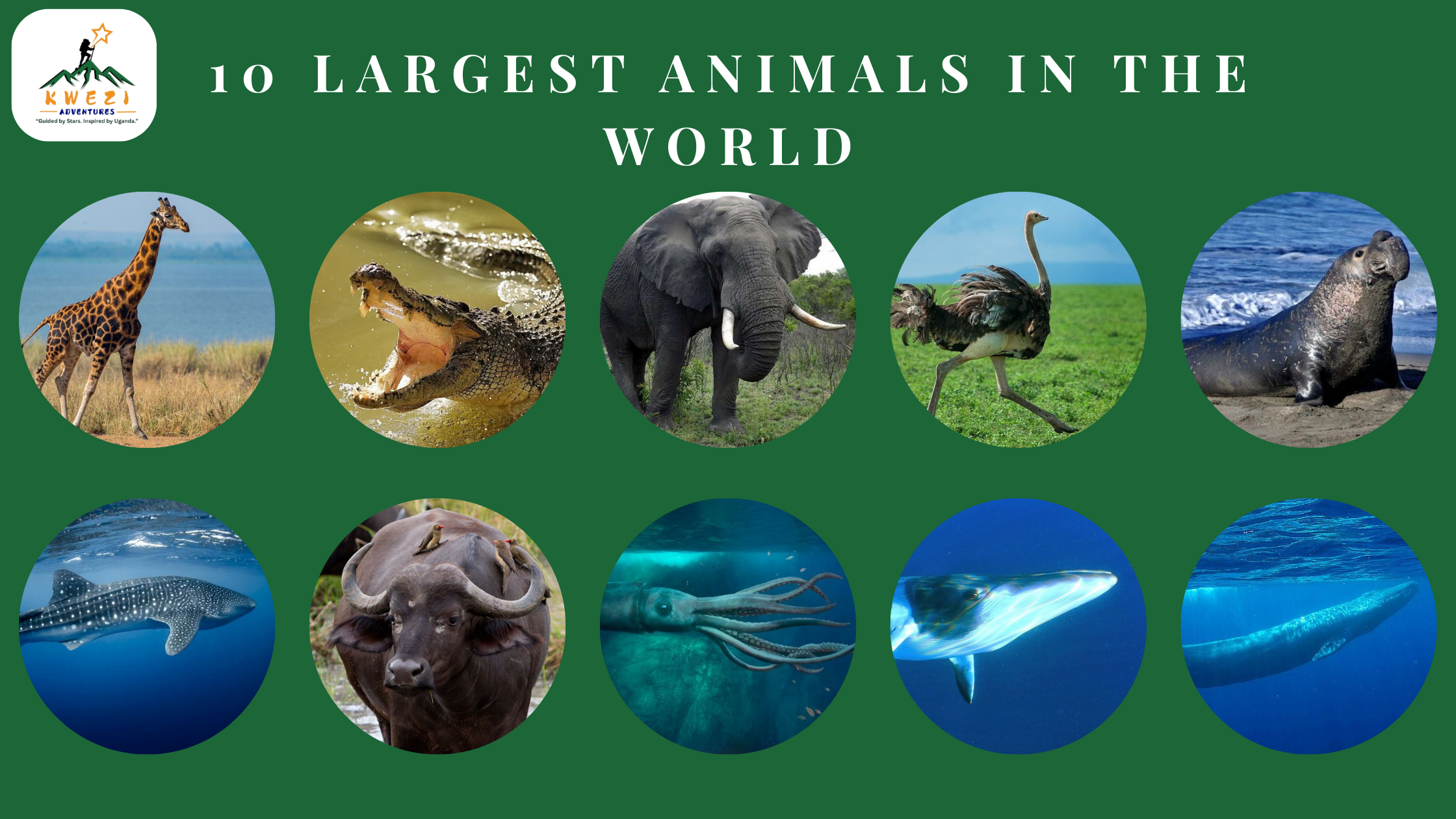
We often use words like "huge," "giant," or "massive" to describe the animals we see on safari. An elephant is enormous, a giraffe is towering, and a hippo is undeniably hefty. But have you ever stopped to wonder how these iconic African animals measure up on the global scale of size?
In this guide, we'll embark on a thrilling expedition beyond the savanna to meet Earth's absolute champions of size and scale. You'll discover the true behemoths that dominate our planet's oceans, lands, and skies, and see exactly where your favorite safari animals rank among these colossal creatures. By the end, you'll have a profound new appreciation for nature's grandest designs. We will journey from the unfathomable depths of the ocean to the vast African plains, counting down a definitive list of the 10 largest animals in the world. We'll explore not just their staggering statistics but also their fascinating behaviors and where you might be lucky enough to encounter them in the wild. Plus, we'll answer your most pressing questions about these gentle giants and colossal predators.
Defining "Largest": Weight, Length, and Height
Before we begin our countdown, it's important to define what we mean by "largest." For this list, we consider a combination of factors to crown the true titans:
Heaviest (Weight): The undisputed champion of sheer mass.
Longest (Length): From nose to tail, or in the case of some sea creatures, tentacle to tentacle.
Tallest (Height): Measured from the ground to the highest point.
Now, let's meet the champions, starting with the most massive creature to have ever existed on Earth.
The Countdown: Meet Earth's 10 Largest Animals
10. Giraffe—The Skyscraper of the Savanna
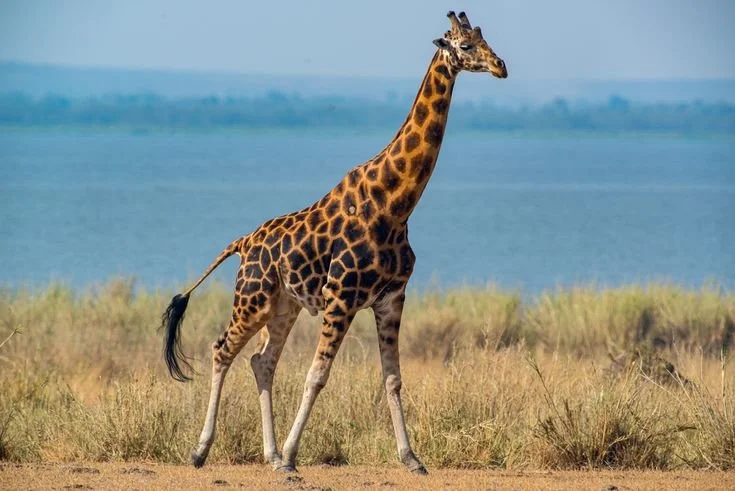
Claim to Fame: The tallest land animal in the world.
Vital Stats: Up to 5.7 meters (19 feet) tall; weighs up to 1,930 kg (4,250 lbs).
Where to Find Them: The iconic acacia-dotted savannas of Africa. On a Kwezi Adventures safari in Uganda's Murchison Falls or Queen Elizabeth National Parks, you'll witness these elegant giants browsing the treetops.
Amazing Fact: Their 53 cm (21-inch) long, prehensile tongues are perfectly adapted for stripping leaves from thorny branches.
9. Saltwater Crocodile—The Largest Living Reptile
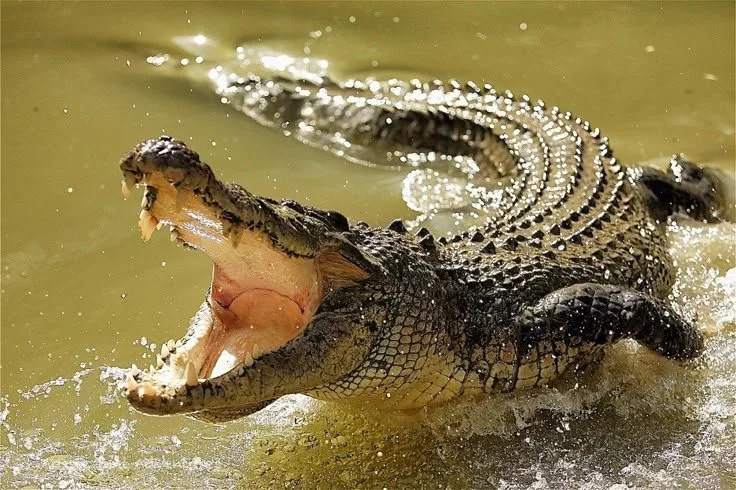
Claim to Fame: The biggest crocodilian and reptilian predator on the planet.
Vital Stats: Can exceed 6 meters (20 feet) in length; weighs over 1,000 kg (2,200 lbs).
Where to Find Them: Brackish and freshwater habitats from India to northern Australia.
Amazing Fact: They possess the most powerful bite force ever measured in the animal kingdom.
8. African Bush Elephant—The Titan of the Terrestrial
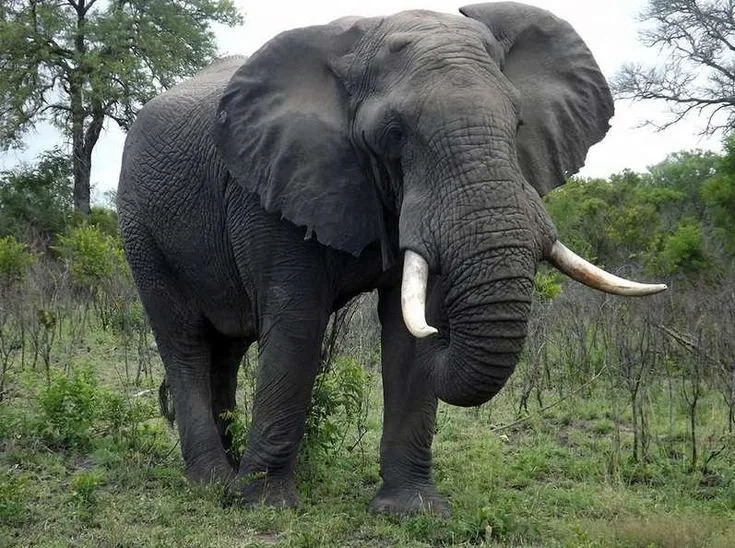
Claim to Fame: The heaviest and largest land animal.
Vital Stats: Stands up to 4 meters (13 feet) at the shoulder; can weigh a staggering 10,400 kg (23,000 lbs).
Where to Find Them: The grasslands, forests, and floodplains of sub-Saharan Africa. Encountering a mighty bull elephant on a game drive in Uganda's Murchison Falls or Kibale region is a truly humbling experience.
Amazing Fact: An elephant's trunk has over 40,000 muscles and is sensitive enough to pick up a single blade of grass.
7. Ostrich—The Colossal Bird
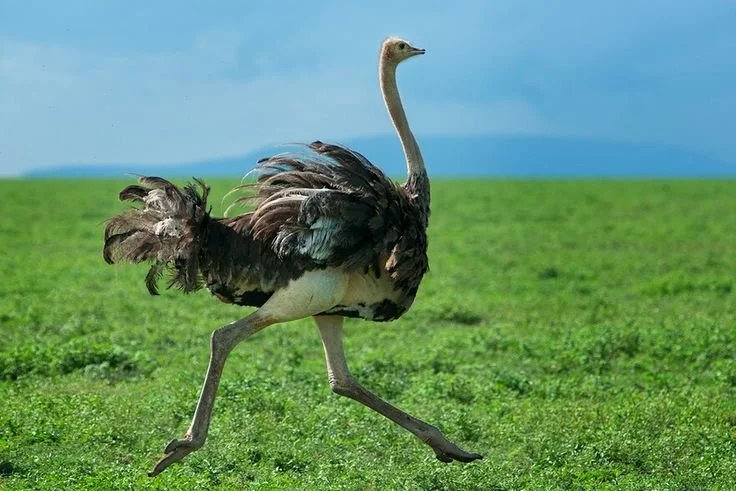
Claim to Fame: The largest and heaviest living bird.
Vital Stats: Stands up to 2.7 meters (9 feet) tall; weighs up to 156 kg (345 lbs).
Where to Find Them: The savannas and Sahel of Africa.
Amazing Fact: Despite its size and inability to fly, the ostrich is the fastest two-legged animal on Earth, capable of sprinting at over 70 km/h (43 mph).
6. Southern Elephant Seal—The Beachmaster
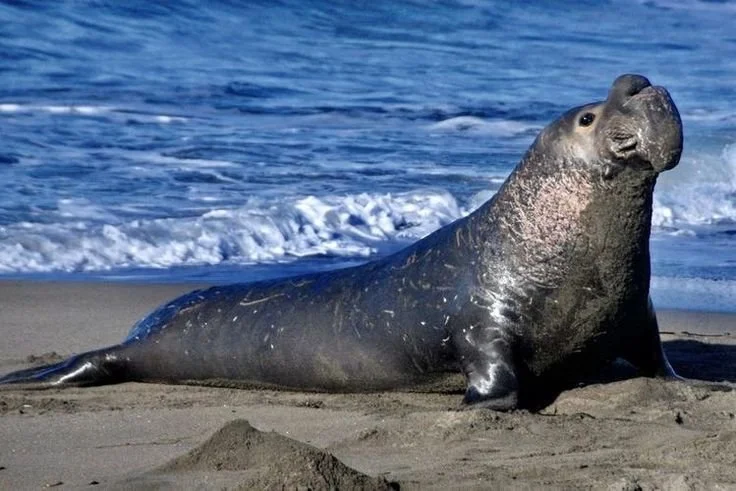
Claim to Fame: The largest carnivore alive today.
Vital Stats: Bulls can reach 6 meters (20 feet) long and weigh up to 4,000 kg (8,800 lbs).
Where to Find Them: The cold, sub-Antarctic and Antarctic waters.
Amazing Fact: Their name comes from the large, inflatable proboscis (nose) of the males, used to roar and intimidate rivals.
5. Whale Shark—The Gentle Oceanic Giant
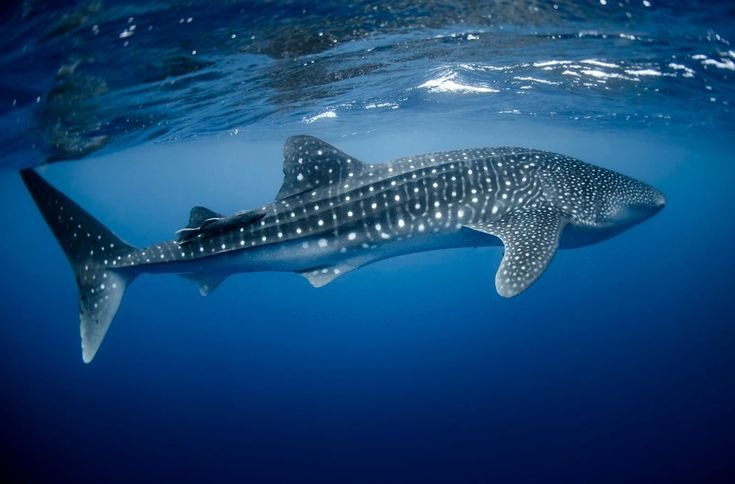
Claim to Fame: The largest fish in the world.
Vital Stats: Averages 12 meters (39 feet) but can reach 18 meters (59 feet); weighs up to 21.5 tonnes.
Where to Find Them: Tropical and warm-temperate seas worldwide.
Amazing Fact: Despite its immense size and "shark" name, it is a filter feeder, dining on plankton and small fish with its gigantic, nearly 1.5-meter-wide mouth.
4. African Buffalo - The Black Tank

Claim to Fame: One of the most formidable and heaviest bovids.
Vital Stats: Shoulder height up to 1.7 meters (5.6 ft); can weigh over 900 kg (2,000 lbs).
Where to Find Them: The savannas and grasslands of Africa. They are a key member of the "Big Five" and a common, impressive sight on any Uganda safari in Queen Elizabeth or Lake Mburo National Park.
Amazing Fact: Known for their unpredictable nature and fierce herd defense, they are considered one of the most dangerous animals to hunt on foot.
3. Colossal Squid—The Deep-Sea Enigma
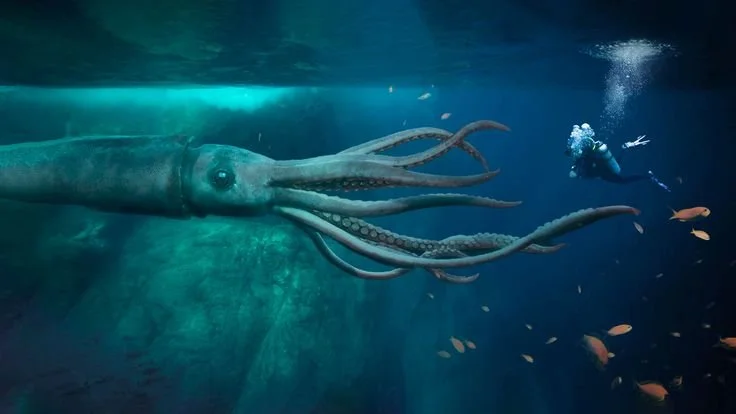
Claim to Fame: The largest invertebrate (animal without a backbone) in the world.
Vital Stats: Estimated to reach 14 meters (46 feet) in total length; eyes the size of dinner plates.
Where to Find Them: The deep, cold waters of the Southern Ocean.
Amazing Fact: Much of its size comes from its two long tentacles, equipped with sharp, swiveling hooks to grasp prey in the pitch-black depths.
2. Fin Whale—The Greyhound of the Sea
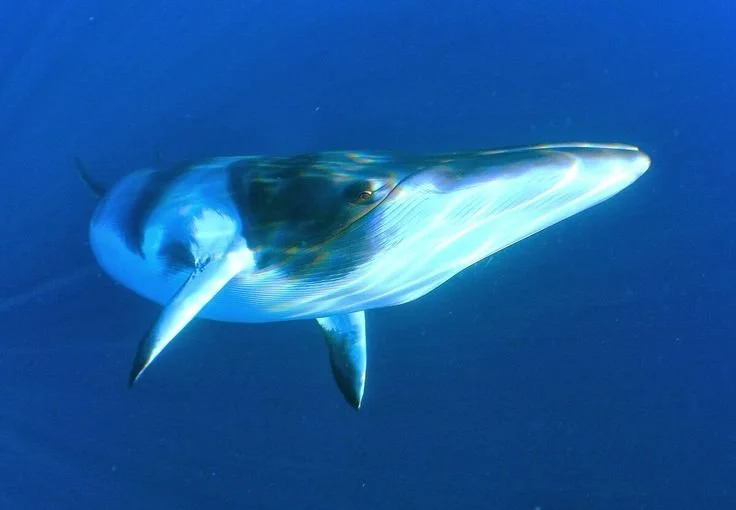
Claim to Fame: The second-largest animal ever to live, after the blue whale.
Vital Stats: Can grow to 27 meters (89 feet) long and weigh nearly 120 tonnes.
Where to Find Them: All the world's major oceans.
Amazing Fact: It is one of the fastest of the great whales, capable of bursts of speed over 40 km/h (25 mph), earning it the nickname "the greyhound of the sea."
1. Blue Whale—The Unrivaled Leviathan
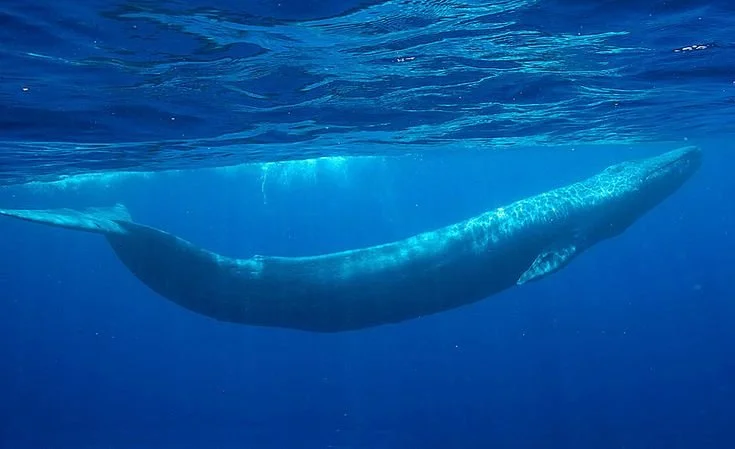
Claim to Fame: The largest animal ever known to have existed on Earth.
Vital Stats: The record holder was over 33 meters (110 feet) long and weighed an estimated 190 tonnes. Its heart alone is the size of a small car.
Where to Find Them: All oceans except the Arctic.
Amazing Fact: A single adult blue whale can consume up to 4 tonnes of krill (tiny shrimp-like creatures) in one day. Its low-frequency call is the loudest sound made by any animal and can travel for hundreds of miles underwater.
Witnessing Giants on a Kwezi Adventures Safari
While the blue whale reigns supreme in the ocean, Africa remains the undisputed kingdom of terrestrial giants. A luxury safari with Kwezi Adventures is your exclusive ticket to stand in the presence of these living legends.
Imagine the profound silence as a herd of African bush elephants, the largest land animals, moves gracefully past your vehicle in Murchison Falls National Park. Feel your gaze lifted as you watch a tower of giraffes, the tallest mammals, silhouetted against a golden sunset in the Kidepo Valley. Experience the raw power of a Cape buffalo, one of Africa's heaviest and most respected bovids, as it forges its path through the savanna.
These are not just observations; they are transformative encounters that reconnect you with the epic scale of the natural world.
People Also Ask About the World's Largest Animals
Q: What is the largest animal that has ever lived? Is it bigger than a blue whale?
A: The blue whale holds this title. While some dinosaurs like Argentinosaurus were longer, the blue whale is significantly heavier. No known creature in Earth's history has surpassed its sheer mass.
Q: Which of the 10 largest animals can I see on an African safari?
A: You can have unforgettable encounters with several! An African luxury safari offers sightings of the African bush elephant, the giraffe, and the African buffalo. The ostrich is also a common sight on the plains.
Q: Are the largest animals always the most dangerous?
A: Not at all. Size does not correlate with aggression. The blue whale and whale shark are gentle filter feeders. Conversely, the African buffalo, while not the largest on this list, is considered one of the most dangerous animals in Africa due to its protective and unpredictable nature.
Q: Why did animals evolve to be so large?
A: Reasons vary by ecosystem. For whales, large size helps conserve heat in cold oceans and allows for long migrations. For elephants and giraffes on land, size can be a defense against predators, help reach food, and play a role in social dominance.
Q: How does Kwezi Adventures ensure ethical viewing of these large animals?
A: Our expert guides are trained in responsible wildlife practices. We always maintain a respectful distance to avoid disturbing natural behaviors, use vehicles that minimize environmental impact, and adhere strictly to all national park guidelines. Your philosophy is to observe without interference, ensuring the animals' well-being and the authenticity of your experience.
Ready for an Encounter with Giants?
The world's largest animals inspire awe and remind us of nature's boundless capacity for wonder. While the oceanic leviathans command the deep, Africa's terrestrial titans offer some of the most accessible and breathtaking wildlife encounters on the planet.
Are you ready to stand in the shadow of an elephant, look up at a giraffe, and witness the power of a buffalo herd? Let Kwezi Adventures craft your personalized luxury safari to Uganda's finest national parks. Contact us today to begin planning a journey where you don't just see wildlife, you meet legends.
